Side by sideParallel across traditions

Apollo (Greek) vs Apollo (Roman)

Apollo
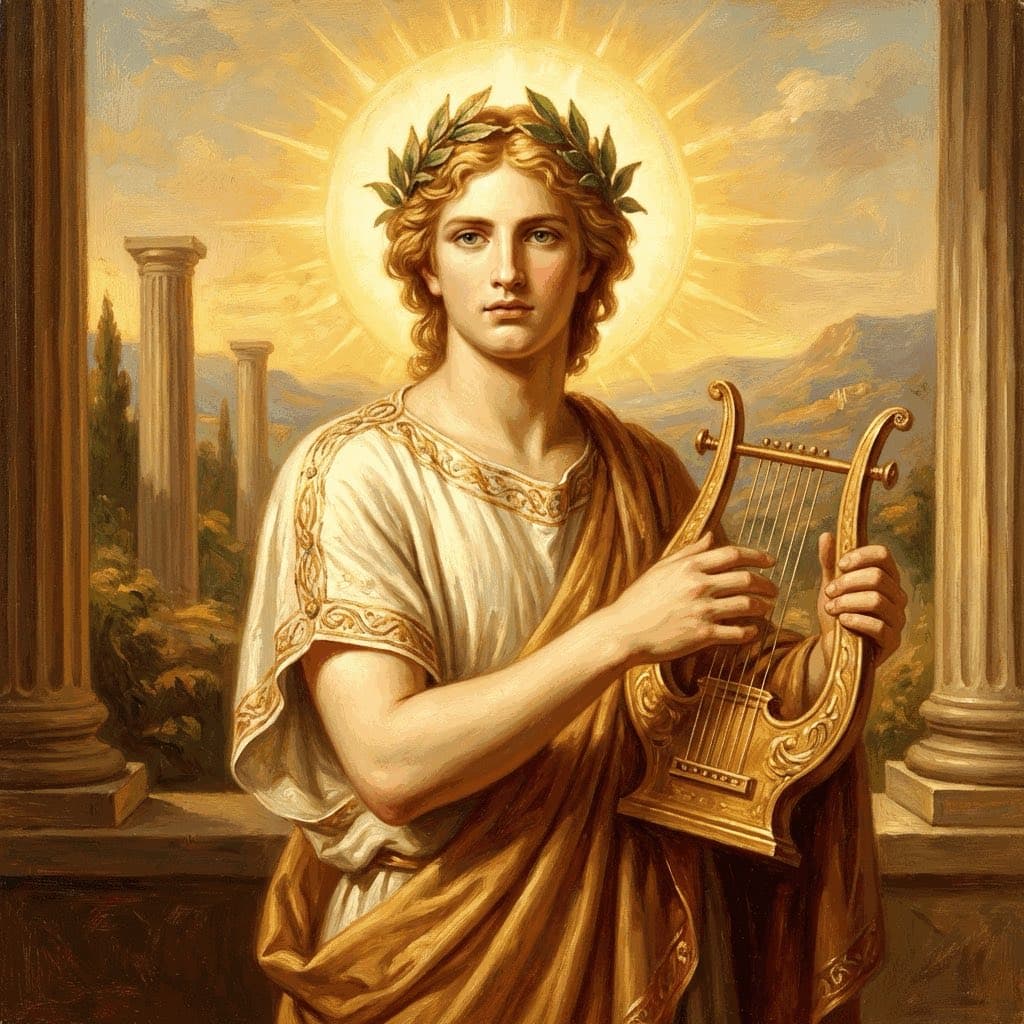
Apollo (Greek)Greek
Apollo
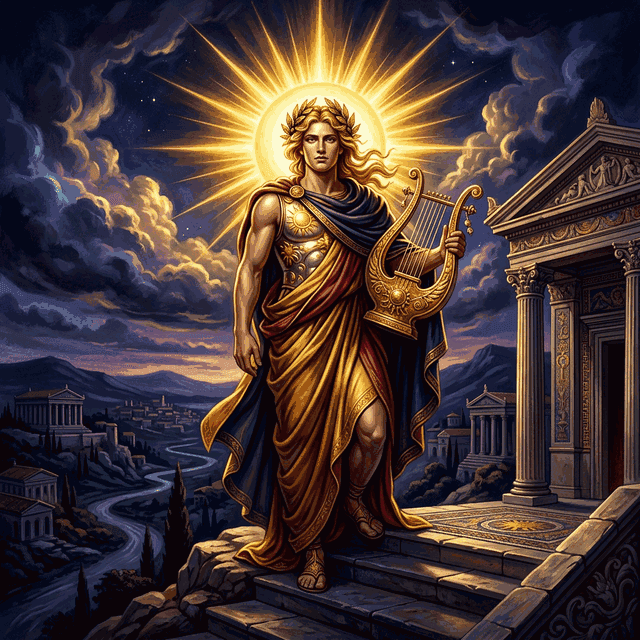
Apollo (Roman)Roman

Apollo is one of the few deities whose name remained unchanged in Roman religion, retaining all his Greek attributes.

At a glance

Apollo (Greek) and Apollo (Roman) compared
Apollo (Greek)Apollo (Roman)
TraditionGreek PantheonRoman Pantheon
Domainssun, music, poetry, prophecy, healing, archerysun, music, poetry, prophecy, healing, archery
Symbolslyre, bow and arrow, laurel wreath, sun, ravenlyre, laurel wreath, bow, raven, sun
Also calledPhoebus, Phoebus ApolloPhoebus Apollo

Where they meet

Both are associated with sun, music, poetry, prophecy, healing, and archery.

They share symbols: lyre, laurel wreath, sun, and raven.

  • lyre
  • laurel wreath
  • sun
  • raven

Where they part

Only Apollo (Greek)

Every domain the atlas records is shared with the other.

Only Apollo (Roman)

Every domain the atlas records is shared with the other.

Why they are compared

Rome adopted Apollo directly under his Greek name rather than renaming him.

How each was worshipped

Apollo (Greek)

Cult sites
Sanctuary of Apollo at Delphi; Sacred island and temples of Delos; Temple of Apollo at Didyma
Festivals
Pythian Games; Thargelia; Karneia (Sparta)

Delphi's oracle and the Pythian contest made him the public voice of the gods. Purification, plague, and the lyre sit in the same precinct. A boy-god of light is a later polish; the working cult is prophecy and katharsis.

Apollo (Roman)

Cult sites
Temple of Apollo Palatinus, dedicated by Augustus; Temple of Apollo Sosianus (Apollo Medicus) by the Theater of Marcellus
Festivals
Ludi Apollinares (from 212 BCE); Secular Games

Apollo entered Rome through the Sibylline books and the Greek rite (ritus Graecus). The Palatine temple sat next to Augustus's house and held the Sibylline collection. Games in July were vowed in wartime. He is plague, prophecy, and Augustan order more than a rustic Italian numen.

The two figures

Greek Pantheon

Apollo (Greek)

God of sun, music, poetry, prophecy, and healing. Twin brother of Artemis, patron of the Muses and leader of the nine sisters.

Apollo is the ideal of the *kouros* (beardless youth), representing light, harmony, and reason. He is the master of the lyre and the leader of the Muses.

Read the full Apollo entry

Roman Pantheon

Apollo (Roman)

God of the sun, music, poetry, prophecy, healing, and archery. One of the few gods whose name remained unchanged from Greek to Roman. Patron of the Sibylline Books and protector of Augustus.

Apollo kept his Greek name in Rome, one of the few major gods who did. Romans took him seriously anyway. The Sibylline Books sat under his authority. Healing, plague, and civic expiation ran through his priesthoods. After Actium, Augustus built him a temple on the Palatine and folded the sun-god into the emperor's public image: order, clarity, the lyre beside the bow.

Read the full Apollo entry
About this comparison

Comparisons pair figures that play a similar role across traditions, or that the myths connect within one. A shared role does not, by itself, establish a shared origin.