
Side by sideParallel across traditions

Apollo (Greek) vs Bragi

Apollo
Apollo (Greek)Greek
Bragi
BragiNorse

Both are gods closely associated with poetry and eloquent speech, though Apollo's domain is far broader.

At a glance

Apollo (Greek) and Bragi compared
Apollo (Greek)Bragi
TraditionGreek PantheonNorse Pantheon
Domainssun, music, poetry, prophecy, healing, archerypoetry, eloquence, skaldic art
Symbolslyre, bow and arrow, laurel wreath, sun, raventhe harp, runes carved on the tongue (later folk tradition)
Also calledPhoebus, Phoebus ApolloNone recorded

Where they meet

Both are associated with poetry.

Where they part

Only Apollo (Greek)

Associated with sun, music, prophecy, healing, and archery.

Only Bragi

Associated with eloquence and skaldic art.

How each was worshipped

Apollo (Greek)

Cult sites
Sanctuary of Apollo at Delphi; Sacred island and temples of Delos; Temple of Apollo at Didyma
Festivals
Pythian Games; Thargelia; Karneia (Sparta)

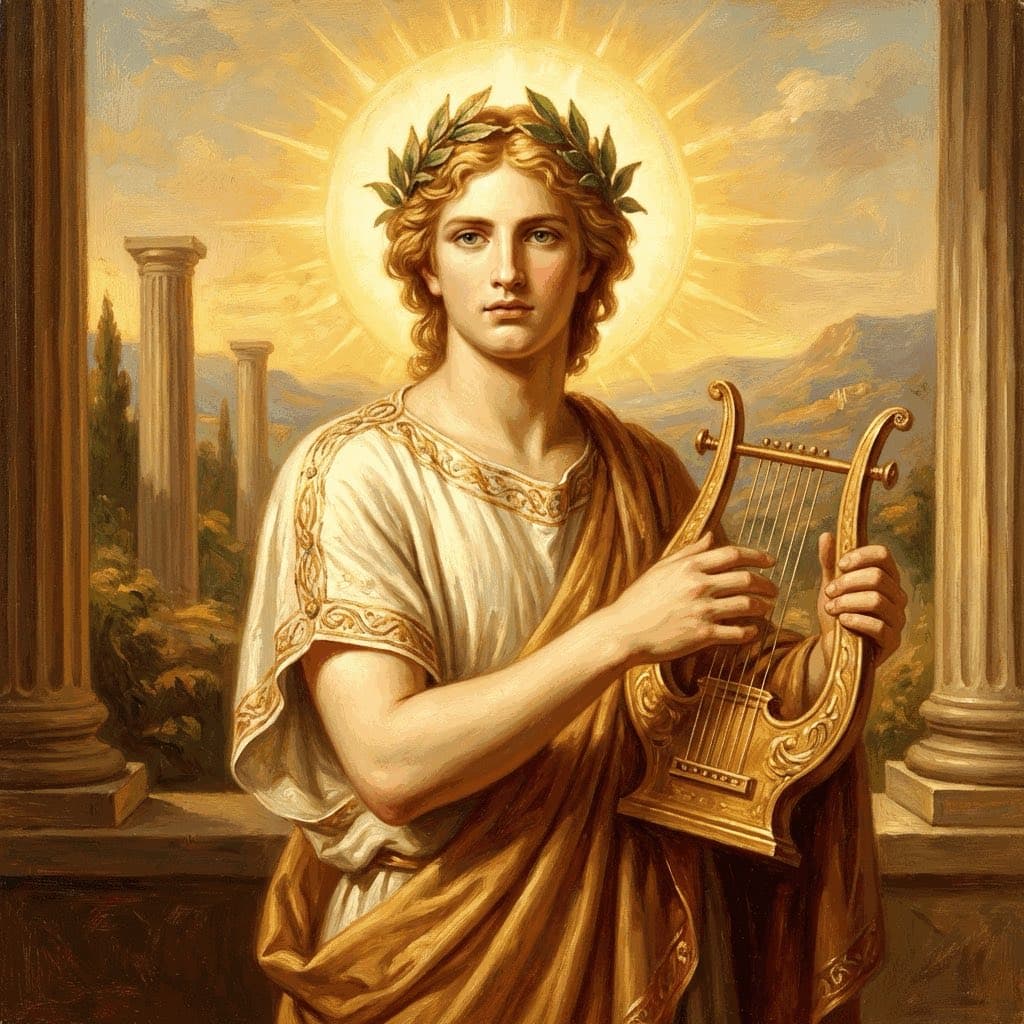
Delphi's oracle and the Pythian contest made him the public voice of the gods. Purification, plague, and the lyre sit in the same precinct. A boy-god of light is a later polish; the working cult is prophecy and katharsis.

Bragi

Cult sites
No attested cult site

No independent cult of Bragi is attested. His significance is literary: he is invoked as patron of skaldic composition and appears chiefly as narrator and character within the Prose and Poetic Eddas rather than as an object of ritual offering.

The two figures

Greek Pantheon

Apollo (Greek)

God of sun, music, poetry, prophecy, and healing. Twin brother of Artemis, patron of the Muses and leader of the nine sisters.

Apollo is the ideal of the *kouros* (beardless youth), representing light, harmony, and reason. He is the master of the lyre and the leader of the Muses.

Read the full Apollo entry

Norse Pantheon

Bragi

God of poetry and eloquence, husband of Idun. In Snorri Sturluson's Prose Edda, Bragi is the wise, gifted speaker who narrates several of the framing myths to the sea-giant Aegir, and skaldic verse itself takes its name from him.

Bragi is named among the Aesir as the god of poetry and the husband of Idun. Snorri Sturluson records him as the narrator of several core myths at a feast held by the giant Aegir, explaining that the word for poetry itself, bragr, derives from Bragi's name.

Bragi is the Aesir god of poetry, described by Snorri Sturluson as famed above all for his wisdom, eloquence, and skill with words. In the *Prose Edda*, the very word for poetry in the skaldic tradition, *bragr*, is explained as deriving from his name, and a gifted poet is said to receive "Bragi's gift."
Read the full Bragi entry
About this comparison

Comparisons pair figures that play a similar role across traditions, or that the myths connect within one. A shared role does not, by itself, establish a shared origin.