Mythos Atlas

Side by sideParallel across traditions

Amaterasu vs Inti

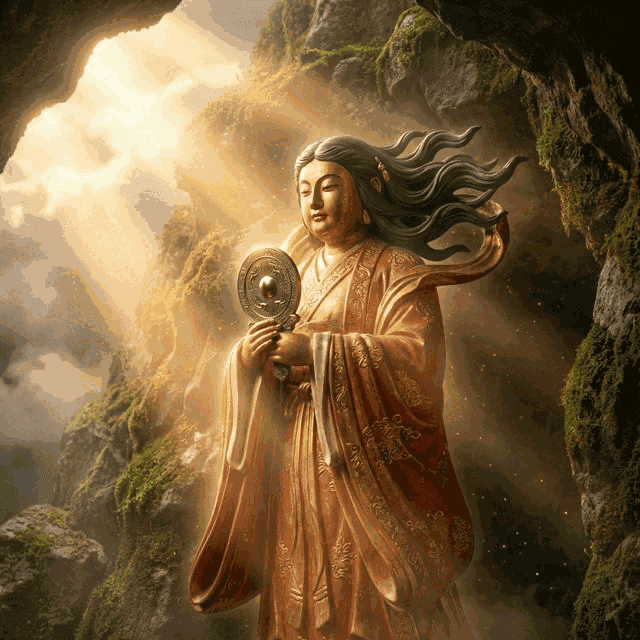
Amaterasu
AmaterasuJapanese
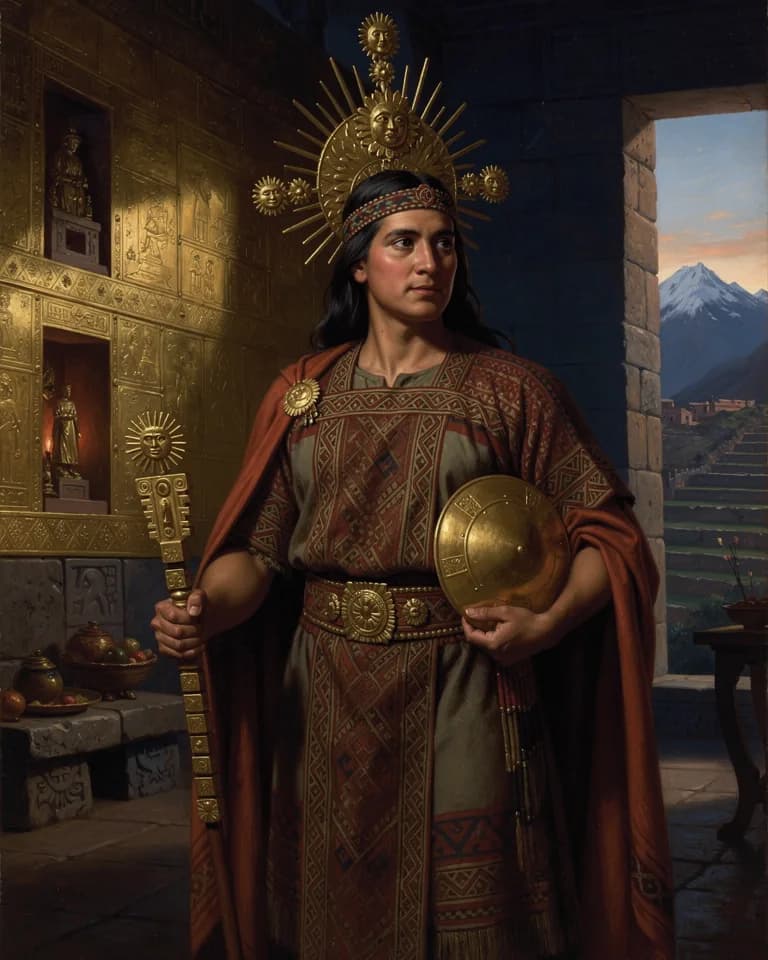
Inti
IntiInca and Andean

Both are sun deities claimed as the direct ancestor of a ruling dynasty (the Sapa Inca as 'son of the Sun'; the Japanese imperial line as descendants of Amaterasu), with the ruler serving as the sun's chief priest.

At a glance

Amaterasu and Inti compared
AmaterasuInti
TraditionJapanese PantheonInca and Andean Tradition
Domainssun, light, universe, agriculture, imperial authoritythe sun, kingship, harvest
Symbolsmirror, jewel, suna golden disk, the Punchao image, gold
Also calledAmaterasu-omikamiPunchao, Apu Inti

Where they meet

The atlas records no domain or symbol that Amaterasu and Inti share.

They are compared for the part each plays in their own tradition rather than for any attribute in common.

Where they part

Only Amaterasu

Associated with sun, light, universe, agriculture, and imperial authority.

Only Inti

Associated with the sun, kingship, and harvest.

How each was worshipped

Amaterasu

Cult sites
Ise Grand Shrine (Naiku), rebuilt on a twenty-year cycle; Atsuta and other shrines holding imperial regalia traditions
Festivals
Kannamesai; Shikinen Sengu (periodic rebuilding)

The mirror, the rice, and the imperial line. Ise is not a tourist temple in origin; it is a restricted house of the sun kami. Offerings of first rice and the rebuilding of the shrine are the cult's time-keeping.

Inti

Cult sites
The Coricancha in Cusco, the chief temple of the Sun, whose curved Inca masonry survives beneath the Dominican church and convent of Santo Domingo.; Sun temples built by the Incas across the empire, including one at Pachacamac beside the older coastal sanctuary and another on the Island of the Sun in Lake Titicaca.
Festivals
Inti Raymi, at the June solstice, described by Garcilaso (Part I, Book 6); re-staged at Sacsayhuamán since 1944 as a reconstructed civic pageant.

The Sun held lands and herds in every province; chosen women (acllacuna) in walled compounds wove fine cloth and prepared maize beer for his cult; llamas and cloth were burned as offerings in Cusco.

The two figures

Japanese Pantheon

Amaterasu

Supreme goddess of the sun and universe. Ruler of the High Celestial Plain. Divine ancestor of the Japanese Imperial family. Most important deity in Shinto.

Born from Izanagi's left eye during his purification ritual. She was assigned to rule the heavens. Her grandson Ninigi descended to Earth, becoming ancestor of Japan's emperors.

**Amaterasu-omikami** stands as the most important deity in Shinto, embodying the sun itself and serving as the divine ancestor of Japan's Imperial family. Her name translates to "Great Divinity Illuminating Heaven," reflecting her role as the source of all light and life in the cosmos.

Read the full Amaterasu entry

Inca and Andean Tradition

Inti

The Sun, divine ancestor of the Inca kings and center of the state cult, worshipped in the gold-sheathed Coricancha of Cusco and at the June solstice festival of Inti Raymi.

In Betanzos's account the Sun is made by Viracocha at Tiwanaku, rising from the Island of the Sun in Lake Titicaca; in Inca royal ideology he is the father of the first Inca, Manco Cápac.

The Inca kings called themselves children of the Sun (*intip churin*), and Garcilaso de la Vega's version of the dynasty's origin has the Sun himself send his son Manco Cápac and daughter Mama Ocllo to Lake Titicaca to teach humanity. Sun worship was the most visible part of the imperial cult: the Sun owned lands and herds in every conquered province, and communities of chosen women (*acllacuna*) wove cloth and brewed maize beer for him.

Read the full Inti entry
About this comparison

Comparisons pair figures that play a similar role across traditions, or that the myths connect within one. A shared role does not, by itself, establish a shared origin.