Side by sideParent and child

Amaterasu vs Izanagi

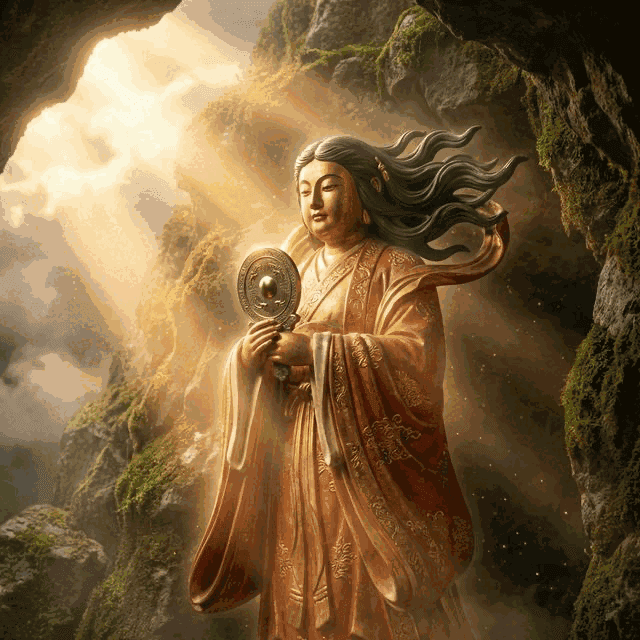
Amaterasu
AmaterasuJapanese
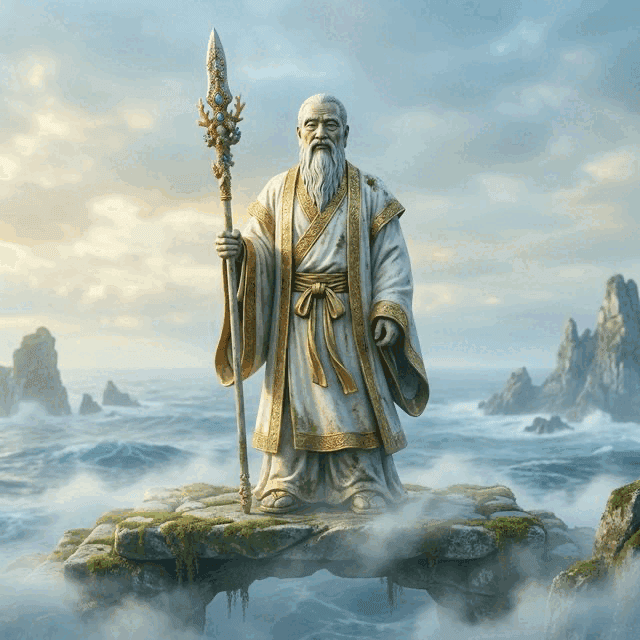
Izanagi
IzanagiJapanese

Amaterasu and Izanagi are recorded as parent and child in the Japanese Pantheon.

At a glance

Amaterasu and Izanagi compared
AmaterasuIzanagi
TraditionJapanese PantheonJapanese Pantheon
Domainssun, light, universe, agriculture, imperial authoritycreation, life, sky
Symbolsmirror, jewel, sunspear, jeweled spear
Also calledAmaterasu-omikamiIzanagi-no-Mikoto

Where they meet

The atlas records no domain or symbol that Amaterasu and Izanagi share.

They are compared because of how the myths connect them, not because of what they rule.

Where they part

Only Amaterasu

Associated with sun, light, universe, agriculture, and imperial authority.

Only Izanagi

Associated with creation, life, and sky.

How each was worshipped

Amaterasu

Cult sites
Ise Grand Shrine (Naiku), rebuilt on a twenty-year cycle; Atsuta and other shrines holding imperial regalia traditions
Festivals
Kannamesai; Shikinen Sengu (periodic rebuilding)

The mirror, the rice, and the imperial line. Ise is not a tourist temple in origin; it is a restricted house of the sun kami. Offerings of first rice and the rebuilding of the shrine are the cult's time-keeping.

Izanagi

Cult sites
Izanagi Jingu on Awaji, tied to the island-birth cycle; Shrines that keep the Izanagi-ryu of ritual purification in western Japan
Festivals
Shinto harae and misogi; New-year purification

After leaving Yomi he washed in the sea, and the sun, moon, and storm were born from that washing. Shrine Shinto still treats misogi and harae as the working form of that story. He is invoked as a kami of beginnings and of making things clean, not as a distant creator who left.

The two figures

Japanese Pantheon

Amaterasu

Supreme goddess of the sun and universe. Ruler of the High Celestial Plain. Divine ancestor of the Japanese Imperial family. Most important deity in Shinto.

Born from Izanagi's left eye during his purification ritual. She was assigned to rule the heavens. Her grandson Ninigi descended to Earth, becoming ancestor of Japan's emperors.

**Amaterasu-omikami** stands as the most important deity in Shinto, embodying the sun itself and serving as the divine ancestor of Japan's Imperial family. Her name translates to "Great Divinity Illuminating Heaven," reflecting her role as the source of all light and life in the cosmos.

Read the full Amaterasu entry

Japanese Pantheon

Izanagi

Male primordial deity who, with Izanami, created the Japanese islands and many kami. After Izanami's death, he performed the first purification ritual.

Izanagi and Izanami were commanded to solidify and create land. Standing on the Floating Bridge of Heaven, Izanagi thrust his spear into the chaos. Drops fell and formed the first island.

Izanagi-no-Mikoto, with Izanami, is commanded to make land. Standing on the Floating Bridge of Heaven, he dips the jeweled spear **Ame-no-Nuboko** into the brine. The drops that fall harden into Onogoro, the first island. The pair then circumambulate a pillar, give birth to the islands of Japan and to many kami, and set the pattern of male and female speech that later texts still argue about.

Read the full Izanagi entry
About this comparison

Comparisons pair figures that play a similar role across traditions, or that the myths connect within one. A shared role does not, by itself, establish a shared origin.