Greek PantheonStrait
Scylla and Charybdis
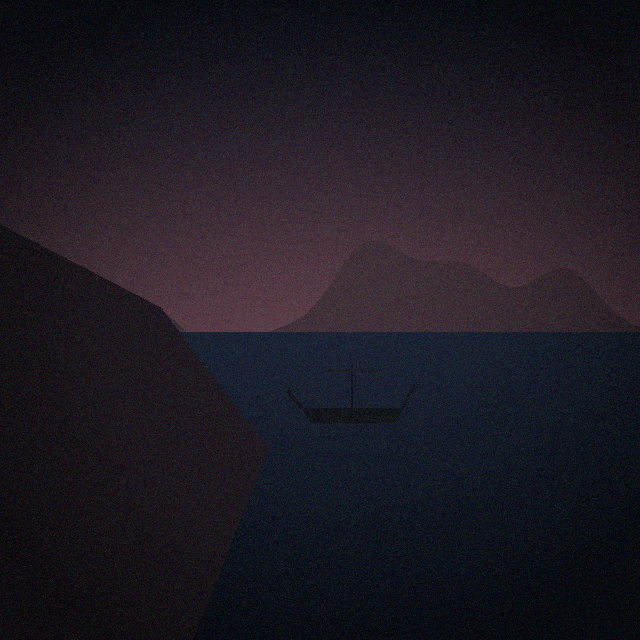
The narrow passage of Odyssey 12 between six-headed Scylla on her cliff and the whirlpool Charybdis, later identified with the Strait of Messina; Odysseus chose Scylla and lost six men.
About Scylla and Charybdis
Two deaths in one lane
Still Odyssey 12: Circe maps a narrow water between Scylla (six necks, six men taken) and Charybdis (three times a day she swallows the sea). Odysseus chooses Scylla and loses six. Later geography says the Strait of Messina. There is no temple. Virgil and others reuse the pair as a proverb. Homer's advice is tactical: lose six rather than the ship. The monsters are local weather made flesh.
On the map
Scylla and Charybdis among other places of the Greek Pantheon.
Sources and further reading
Source notes
These references are recorded in the catalog. Their passage wording and translation have not been checked, so quotations are not displayed here.
- Homer, Odyssey 12
About this entry
By Elizabeth Stein for Mythos Atlas. About the author. Editorial notes are grounded in the site's cited sources and can be challenged through the contact page.
Coordinates mark where the myths place a site, or where the tradition locates it today. Mythic realms are left off the map or marked as symbolic placements.
Keep exploring
One myth a week, with its sources in a short email. The sign-up form is just below.