Aboriginal Australian TraditionsSacred Site
Uluṟu
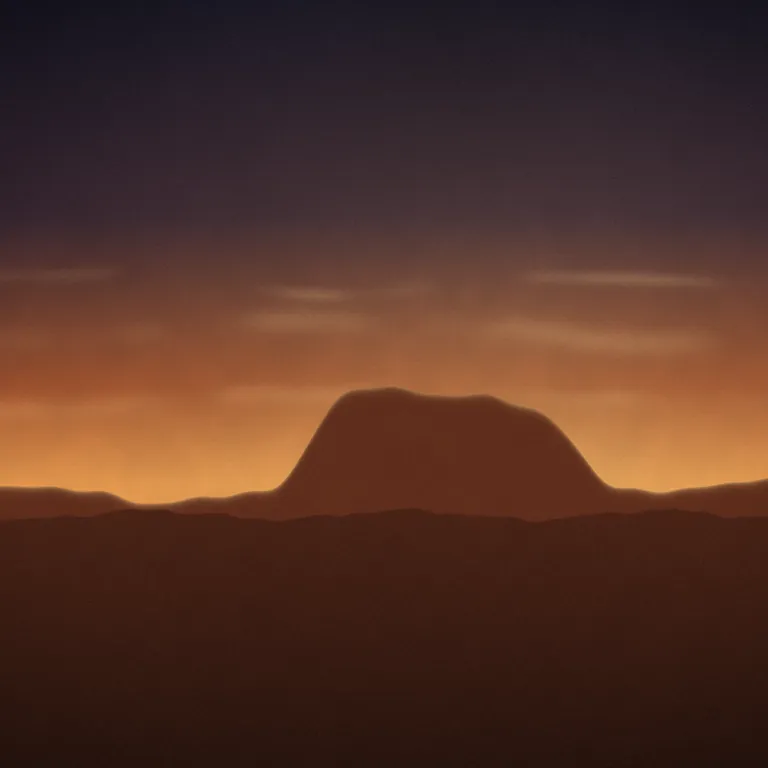
The great sandstone monolith in Uluṟu-Kata Tjuṯa National Park, Northern Territory, shaped by the actions of Aṉangu ancestral beings, including Kuniya and the Liru; jointly managed by Aṉangu and Parks Australia.
About Uluṟu
Aṉangu Country
Uluṟu is part of the Country of the Aṉangu, the traditional owners of Uluṟu-Kata Tjuṯa National Park. For Aṉangu, the features of Uluṟu are evidence of the actions of ancestral beings in the Tjukurpa: the Kuniya (woma python) and the Liru (venomous snake men), the Mala (rufous hare-wallaby) people, and others. Some of these stories are shared publicly with visitors; many are not.
Handback and joint management
Title to Uluṟu-Kata Tjuṯa was handed back to its traditional owners on 26 October 1985, and the park has since been jointly managed by Aṉangu and Parks Australia. It is a UNESCO World Heritage Site for both its natural and cultural values.
Respect
Aṉangu ask visitors not to photograph certain culturally sensitive areas. Climbing Uluṟu, long discouraged by the traditional owners, was permanently closed in October 2019. Visitors can learn the publicly shared stories along walks such as the Kuniya walk to Muṯitjulu Waterhole.
On the map
Uluṟu among other places of the Aboriginal Australian Traditions.
Sources and further reading
Source notes
These references are recorded in the catalog. Their passage wording and translation have not been checked, so quotations are not displayed here.
- Uluṟu-Kata Tjuṯa National Park (Parks Australia, with Aṉangu traditional owners), 'The Kuniya & Liru stories'
About this entry
By Elizabeth Stein for Mythos Atlas. About the author. Editorial notes are grounded in the site's cited sources and can be challenged through the contact page.
Coordinates mark where the myths place a site, or where the tradition locates it today. Mythic realms are left off the map or marked as symbolic placements.