Side by sideRivals

Baldur vs Höðr

Baldur
BaldurNorse
Höðr
HöðrNorse

Baldur and Höðr are recorded as rivals in the Norse Pantheon.

At a glance

Baldur and Höðr compared
BaldurHöðr
TraditionNorse PantheonNorse Pantheon
Domainslight, purity, beauty, love, innocencedarkness, winter (by later association with his brother Baldr's death)
Symbolsmistletoe, white, ship Hringhornimistletoe (as the instrument of Baldr's death)
Also calledBaldr, Balder, The Beautiful, The Shining OneHod, Hoder, Hother (Saxo Grammaticus)

Where they meet

The atlas records no domain or symbol that Baldur and Höðr share.

They are compared because of how the myths connect them, not because of what they rule.

Where they part

Only Baldur

Associated with light, purity, beauty, love, and innocence.

Only Höðr

Associated with darkness and winter (by later association with his brother baldr's death).

How each was worshipped

Baldur

Cult sites
No major temple; Breiðablik is a mythic hall

Loved in story, barely visible in cult. The funeral ship and the mistletoe are literature. If a rite existed, it did not leave the kind of trail Thor left. Say so rather than filling the calendar.

Höðr

Cult sites
No attested cult site

No independent cult of Hodr is attested. He survives only within the narrative of Baldr's death, first as tragic instrument, later, in Voluspa's prophecy of the world after Ragnarok, as a reconciled figure restored alongside the brother he killed.

The two figures

Norse Pantheon

Baldur

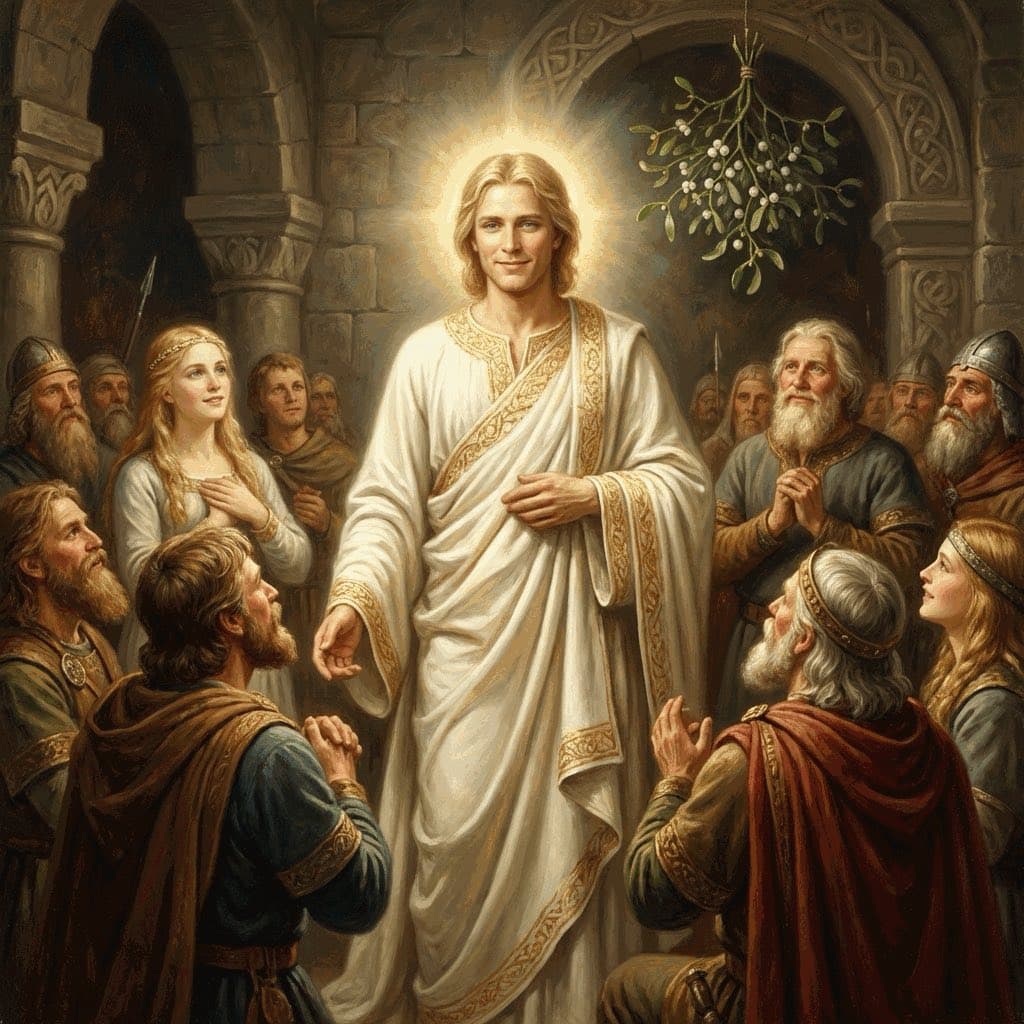
The most beloved of all gods, son of Odin and Frigg. God of light, purity, and beauty. His death, orchestrated by Loki using mistletoe, is one of the great tragedies leading to Ragnarok.

Baldur was born to Odin, the Allfather, and Frigg, the Queen of Asgard. From his earliest days, he radiated such beauty and light that all who beheld him loved him instantly. He grew to become the most beloved of all the Aesir, admired by gods and mortals alike. He married the goddess Nanna, and together they lived in his hall Breidablik, the most splendid dwelling in Asgard, where nothing unclean could enter. His twin brother was Hodr, the blind god, with whom his fate would become tragically intertwined.

Baldur is the son of Odin and Frigg, so beautiful and bright that light shines from him. He is the wisest, most eloquent, and most gracious of the Aesir.

Read the full Baldur entry

Norse Pantheon

Höðr

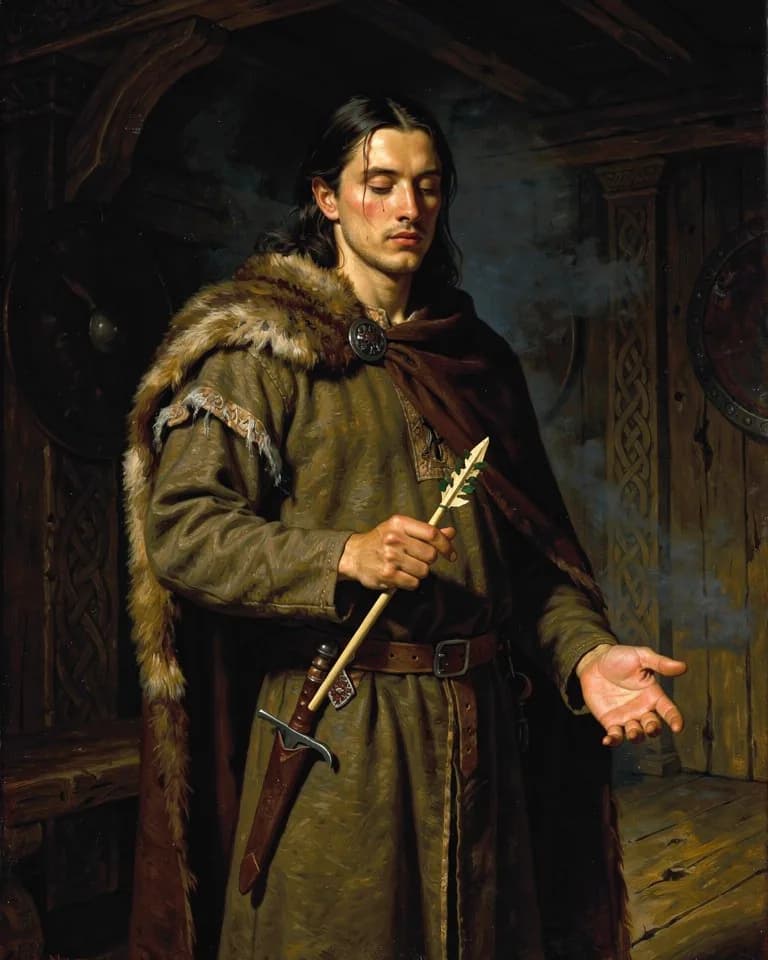
A blind son of Odin who, in Snorri Sturluson's telling, unknowingly kills his brother Baldr with a mistletoe dart at Loki's instigation. Saxo Grammaticus preserves a very different, non-mythological account of the same figure as a rival human prince.

Höðr was a blind son of Odin. When Loki discovered that the mistletoe alone had never sworn an oath to spare Baldr from harm, he fashioned a dart from it and guided the blind Höðr's hand to throw it at Baldr during the gods' game of hurling weapons at him, killing Baldr instantly and unintentionally making Höðr his brother's killer.

In Snorri Sturluson's *Prose Edda*, Höðr is a son of Odin described simply as blind, but immensely strong. He plays the tragic, unwitting instrument in the death of his brother Baldr, the best-loved of the gods.

Read the full Höðr entry
About this comparison

Comparisons pair figures that play a similar role across traditions, or that the myths connect within one. A shared role does not, by itself, establish a shared origin.