Side by sideParent and child

Baldur vs Frigg

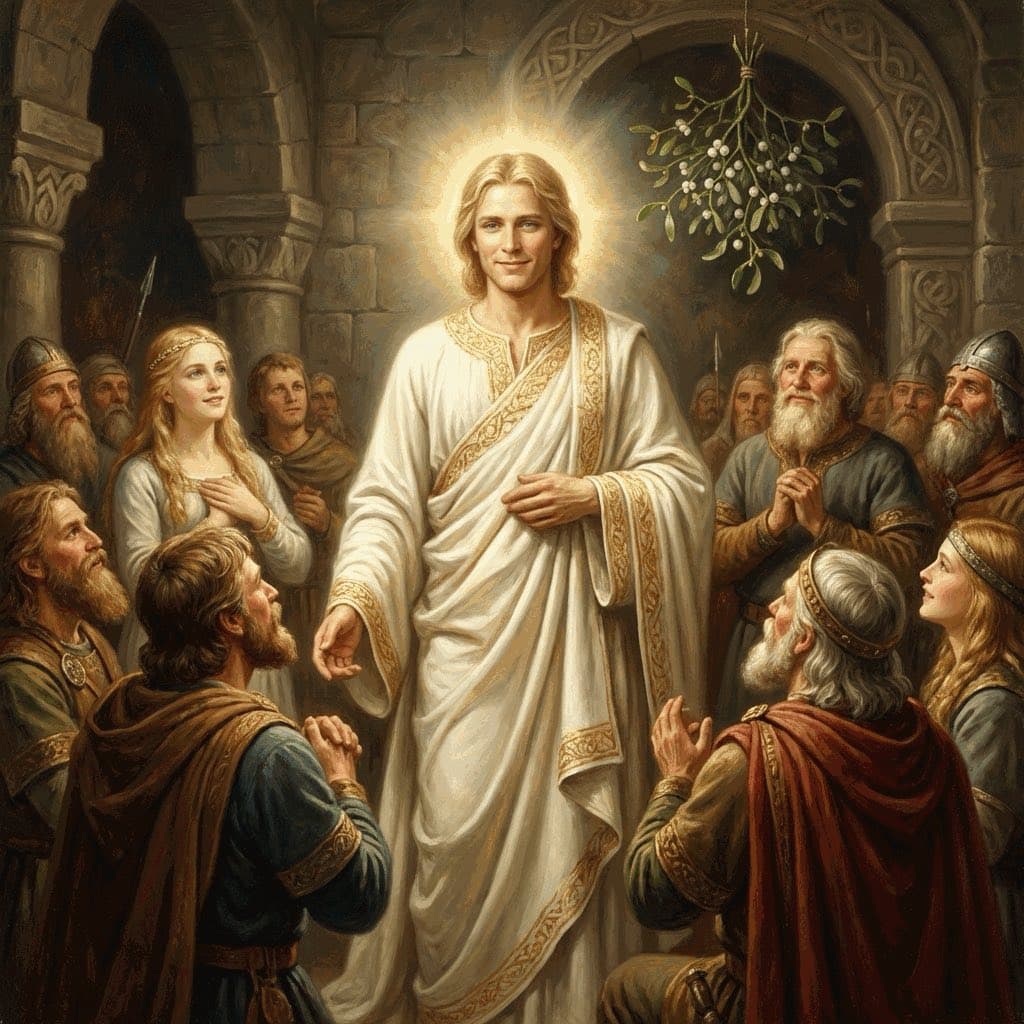
Baldur
BaldurNorse
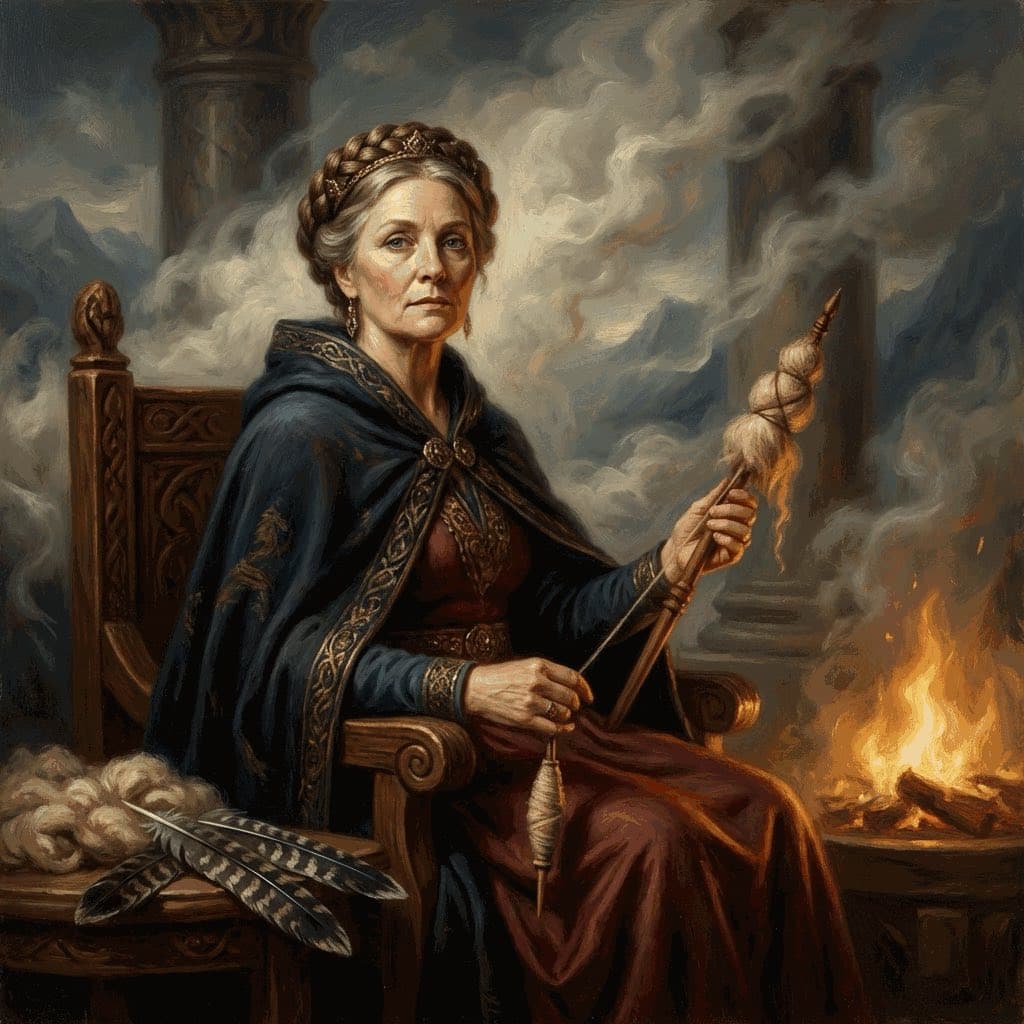
Frigg
FriggNorse

Baldur and Frigg are recorded as parent and child in the Norse Pantheon.

At a glance

Baldur and Frigg compared
BaldurFrigg
TraditionNorse PantheonNorse Pantheon
Domainslight, purity, beauty, love, innocencemarriage, motherhood, domestic arts, prophecy, fate
Symbolsmistletoe, white, ship Hringhornispinning wheel, keys, falcon feather cloak
Also calledBaldr, Balder, The Beautiful, The Shining OneFrigga, Fricka

Where they meet

The atlas records no domain or symbol that Baldur and Frigg share.

They are compared because of how the myths connect them, not because of what they rule.

Where they part

Only Baldur

Associated with light, purity, beauty, love, and innocence.

Only Frigg

Associated with marriage, motherhood, domestic arts, prophecy, and fate.

How each was worshipped

Baldur

Cult sites
No major temple; Breiðablik is a mythic hall

Loved in story, barely visible in cult. The funeral ship and the mistletoe are literature. If a rite existed, it did not leave the kind of trail Thor left. Say so rather than filling the calendar.

Frigg

Cult sites
No securely identified temple; paired with Odin in late sources
Festivals
Winter-night offerings in later folklore

Spinning, foresight, and the high-seat woman. Cult evidence is thin. Friday in some languages remembers a related goddess (Frigg or Freyja; the names bled). Treat the quiet household rites as reconstruction, not a festival calendar.

The two figures

Norse Pantheon

Baldur

The most beloved of all gods, son of Odin and Frigg. God of light, purity, and beauty. His death, orchestrated by Loki using mistletoe, is one of the great tragedies leading to Ragnarok.

Baldur was born to Odin, the Allfather, and Frigg, the Queen of Asgard. From his earliest days, he radiated such beauty and light that all who beheld him loved him instantly. He grew to become the most beloved of all the Aesir, admired by gods and mortals alike. He married the goddess Nanna, and together they lived in his hall Breidablik, the most splendid dwelling in Asgard, where nothing unclean could enter. His twin brother was Hodr, the blind god, with whom his fate would become tragically intertwined.

Baldur is the son of Odin and Frigg, so beautiful and bright that light shines from him. He is the wisest, most eloquent, and most gracious of the Aesir.

Read the full Baldur entry

Norse Pantheon

Frigg

Queen of the Aesir and wife of Odin. Goddess of marriage, motherhood, and the home. She possesses the power of prophecy but chooses not to reveal what she knows.

Frigg is believed to be the daughter of the goddess Fjorgyn (Earth) and belongs to the Aesir, the ruling tribe of gods. Her origins stretch back to the earliest days of the cosmos. She became the wife of Odin and the Queen of Asgard, establishing her hall Fensalir in the realm of the gods. With Odin, she bore Baldur, the most beloved of gods, and Hodr, the blind god. Some scholars connect her to the Germanic goddess Frija, whose name gave us the word Friday. Her knowledge of fate and her role as cosmic mother made her one of the most revered goddesses in the Norse pantheon.

Frigg is the wife of Odin and the foremost goddess of the Aesir. She sits enthroned in Fensalir. She is the only one besides Odin allowed to sit on Hlidskjalf and look out over all the worlds.

Read the full Frigg entry
About this comparison

Comparisons pair figures that play a similar role across traditions, or that the myths connect within one. A shared role does not, by itself, establish a shared origin.