
Side by sideParallel across traditions

Apollo (Greek) vs Sin

Apollo
Apollo (Greek)Greek
Sin
SinMesopotamian

Both are associated with prophecy and divine knowledge.

At a glance

Apollo (Greek) and Sin compared
Apollo (Greek)Sin
TraditionGreek PantheonMesopotamian Pantheon
Domainssun, music, poetry, prophecy, healing, archerymoon, time, wisdom, cattle
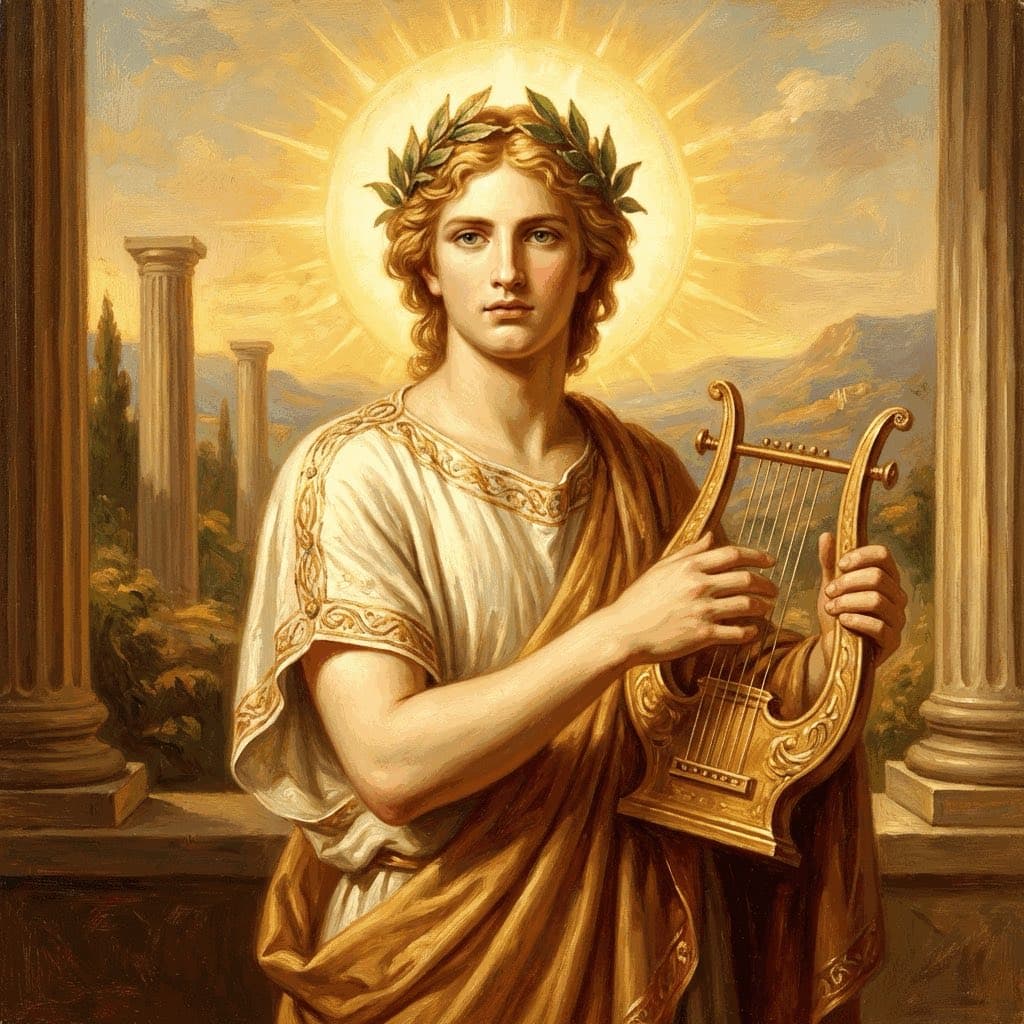
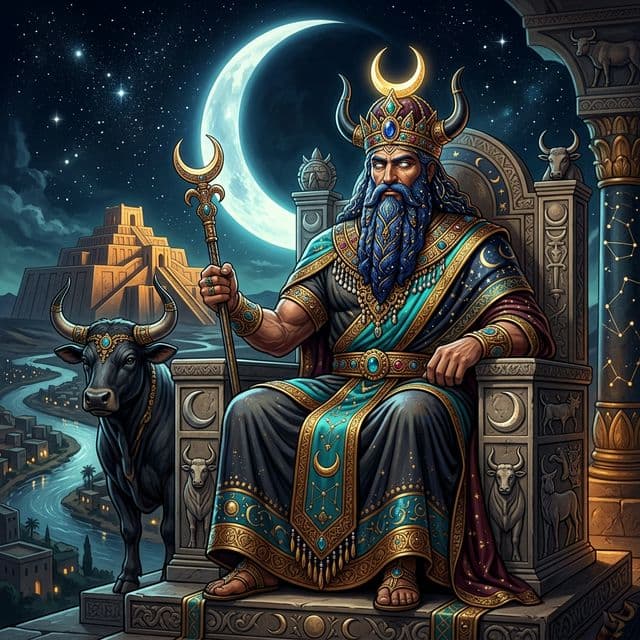
Symbolslyre, bow and arrow, laurel wreath, sun, ravencrescent moon, bull, lapis lazuli beard
Also calledPhoebus, Phoebus ApolloNanna, Nannar, Suen

Where they meet

The atlas records no domain or symbol that Apollo and Sin share.

They are compared for the part each plays in their own tradition rather than for any attribute in common.

Where they part

Only Apollo (Greek)

Associated with sun, music, poetry, prophecy, healing, and archery.

Only Sin

Associated with moon, time, wisdom, and cattle.

How each was worshipped

Apollo (Greek)

Cult sites
Sanctuary of Apollo at Delphi; Sacred island and temples of Delos; Temple of Apollo at Didyma
Festivals
Pythian Games; Thargelia; Karneia (Sparta)

Delphi's oracle and the Pythian contest made him the public voice of the gods. Purification, plague, and the lyre sit in the same precinct. A boy-god of light is a later polish; the working cult is prophecy and katharsis.

Sin

Cult sites
Great Ziggurat of Ur; Harran in the later period
Festivals
Ur's moon festivals; Nanna's boat processions

The moon at Ur, with priestesses in the giparu. Nabonidus still cared in the sixth century BCE. Silver, cattle, and the month.

The two figures

Greek Pantheon

Apollo (Greek)

God of sun, music, poetry, prophecy, and healing. Twin brother of Artemis, patron of the Muses and leader of the nine sisters.

Apollo is the ideal of the *kouros* (beardless youth), representing light, harmony, and reason. He is the master of the lyre and the leader of the Muses.

Read the full Apollo entry

Mesopotamian Pantheon

Sin

The moon god and lord of the night sky. Sin is the father of the sun god Shamash and the goddess Inanna, and the keeper of time through the lunar calendar.

Sin was born to Enlil and Ninlil in the underworld under unusual circumstances. After Enlil was banished to the underworld for ravishing Ninlil, she followed him and gave birth to Nanna/Sin there. Through clever deception, Sin was allowed to ascend to the sky, where he became the moon.

Sin is the great moon god of Mesopotamia, father of the sun and stars. In Mesopotamian astral hierarchy, the moon held precedence over the sun, as the moon's phases provided the basis for the calendar and the measurement of time. Sin's waxing and waning represented the cosmic rhythm that governed agriculture, religion, and commerce.
Read the full Sin entry
About this comparison

Comparisons pair figures that play a similar role across traditions, or that the myths connect within one. A shared role does not, by itself, establish a shared origin.