Side by sideSiblings

Hera vs Hestia

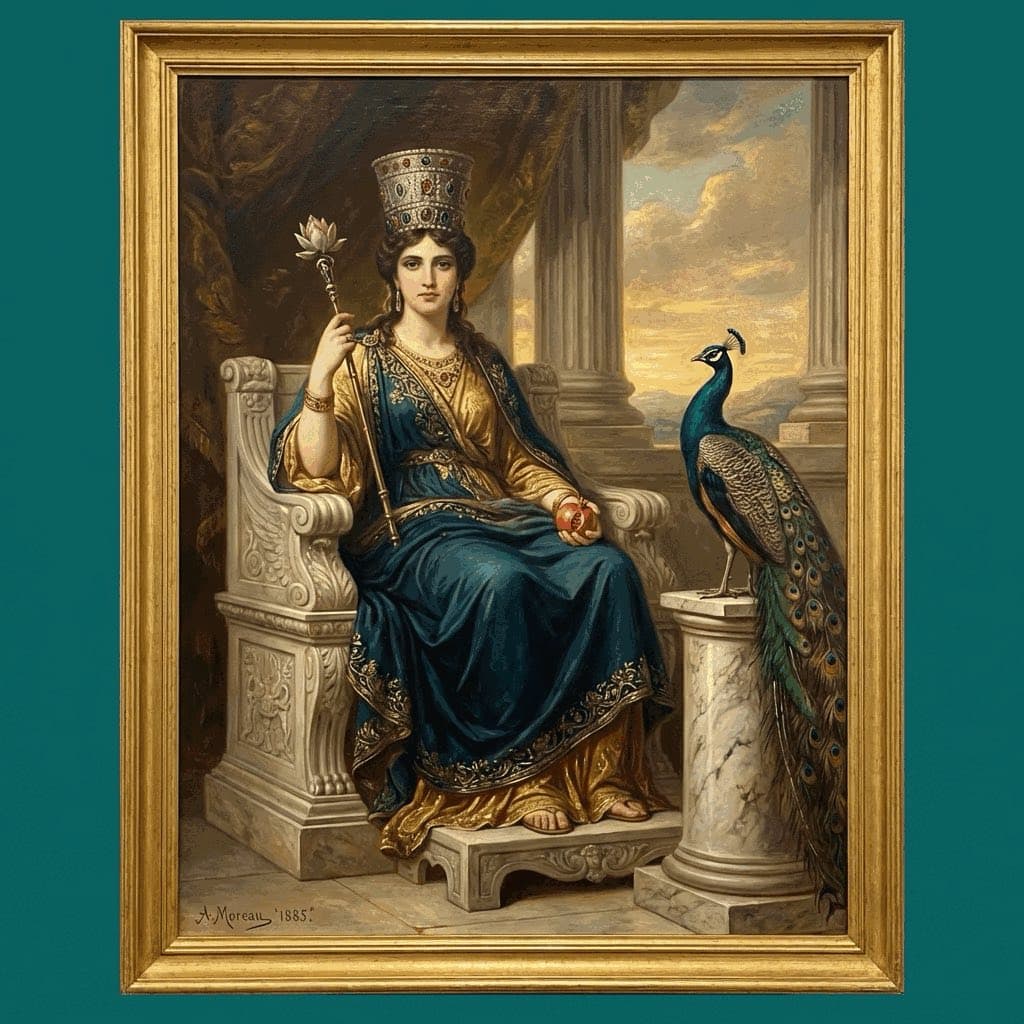
Hera
HeraGreek
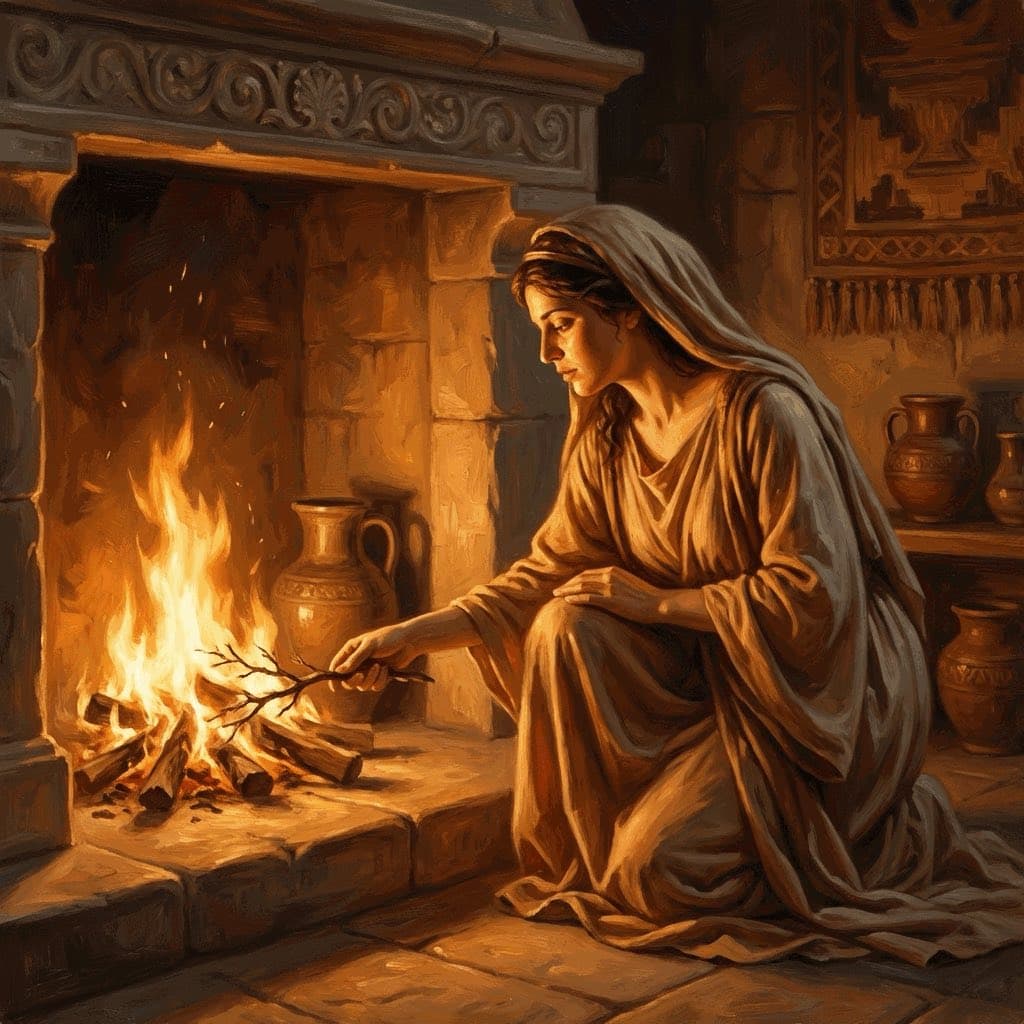
Hestia
HestiaGreek

Hera and Hestia are recorded as siblings in the Greek Pantheon.

At a glance

Hera and Hestia compared
HeraHestia
TraditionGreek PantheonGreek Pantheon
Domainsmarriage, women, family, childbirthhearth, home, domesticity, family
Symbolspeacock, cow, pomegranate, diademhearth, fire, kettle
Also calledJunoVesta

Where they meet

Both are associated with family.

Where they part

Only Hera

Associated with marriage, women, and childbirth.

Only Hestia

Associated with hearth, home, and domesticity.

How each was worshipped

Hera

Cult sites
Heraion of Argos; Heraion of Samos; Temple of Hera at Olympia
Festivals
Heraia; Daedala (Boeotia)

Argos and Samos kept her oldest houses. The Heraia were women's games at Argos and a foot-race at Olympia. Marriage, cattle, and the cuckoo or peacock are hers; the cult is civic and jealous, not only a wedding story.

Hestia

Cult sites
No major independent temple; the hearth of every house; Prytaneion hearths of Greek cities
Festivals
Household offerings at the hearth; Prytaneia

She is the first and last libation, the round hearth, the fire that must not go out. Public Hestia lived in the town hall. There is almost no personality cult because the goddess is the fixture.

The two figures

Greek Pantheon

Hera

Queen of the gods and goddess of marriage and family. Wife and sister of Zeus, known for her jealousy toward Zeus's lovers and illegitimate children.

Hera was the eldest daughter of Cronus and Rhea, swallowed by Cronus at birth and later freed by Zeus. She became Zeus's wife after he courted her in the form of a cuckoo bird.

Hera is the majestic queen of Olympus and the goddess of marriage and childbirth. As the wife of Zeus, she holds immense power, but she is most famously known for her jealousy and vengeance against Zeus's lovers and illegitimate children.

Read the full Hera entry

Greek Pantheon

Hestia

Goddess of the hearth, home, and family. The firstborn of Cronus and Rhea, she maintained eternal virginity and tended the sacred fire of Olympus.

Hestia is the gentle goddess of the hearth fire (*hestia*), which burned in the center of every Greek home and city. She received the first offering at every sacrifice.

Read the full Hestia entry
About this comparison

Comparisons pair figures that play a similar role across traditions, or that the myths connect within one. A shared role does not, by itself, establish a shared origin.