Mythos Atlas

Side by sideSiblings

Mama Ocllo vs Manco Cápac

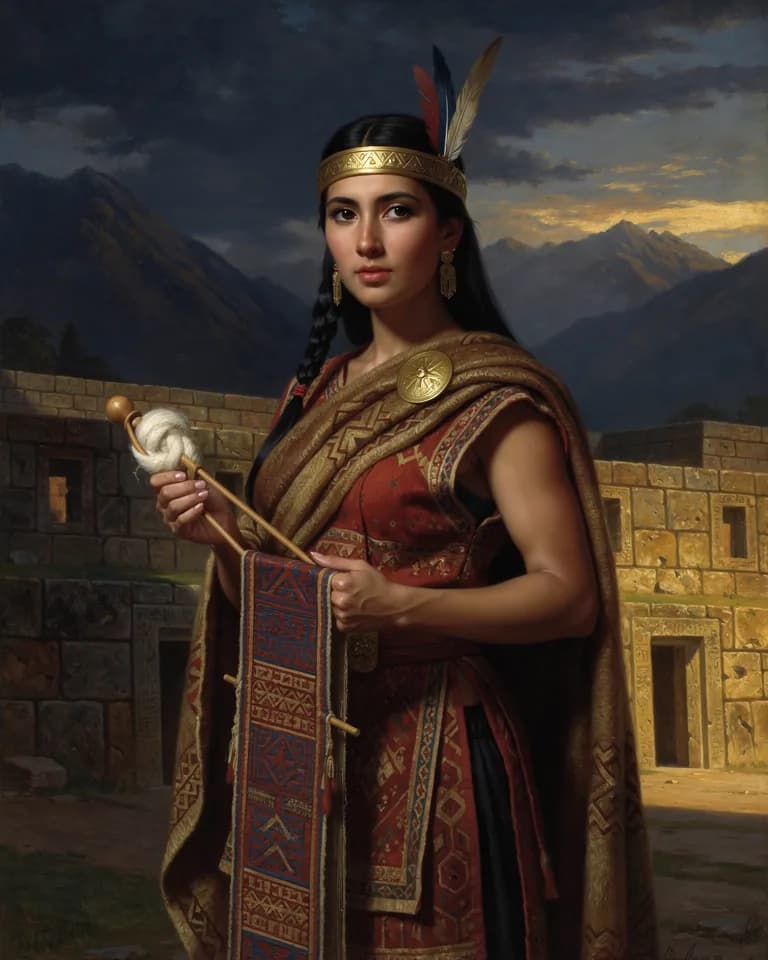
Mama Ocllo
Mama OclloInca and Andean
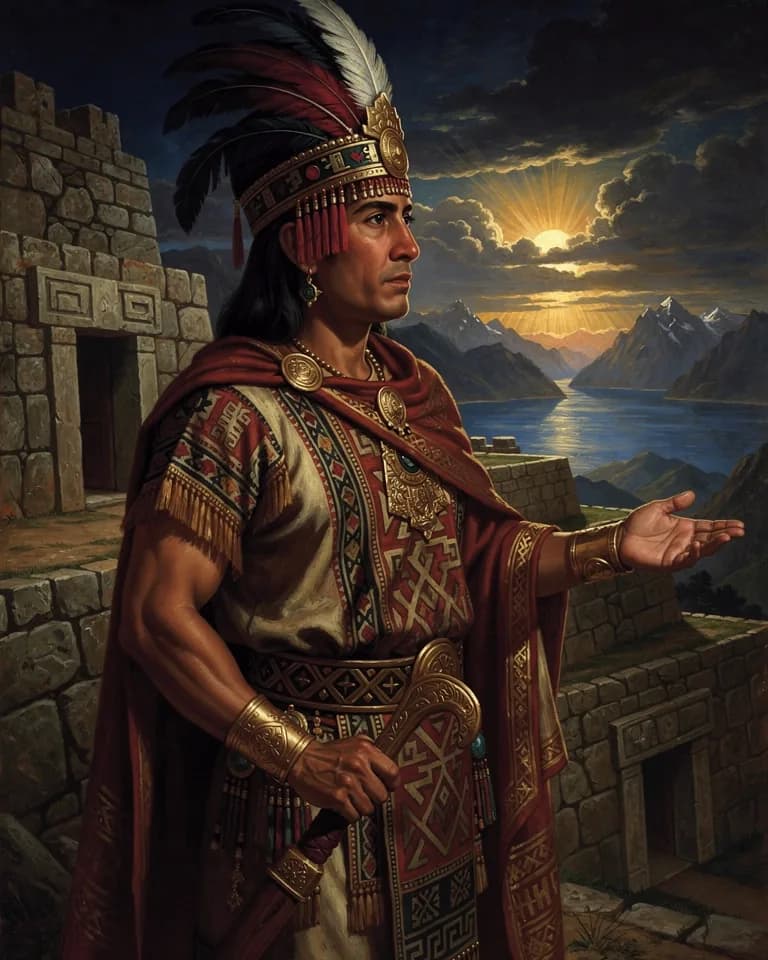
Manco Cápac
Manco CápacInca and Andean

Mama Ocllo and Manco Cápac are recorded as siblings in the Inca and Andean Tradition.

At a glance

Mama Ocllo and Manco Cápac compared
Mama OclloManco Cápac
TraditionInca and Andean TraditionInca and Andean Tradition
Domainsthe founding of Cusco, spinning and weaving, the householdthe founding of Cusco, kingship, agriculture
Symbolsthe spindle, clotha golden rod, the hill of Huanacauri
Also calledMama Ocllo Huaco, Mama UqlluManco Capac, Ayar Manco, Manqu Qhapaq

Where they meet

Both are associated with the founding of cusco.

Where they part

Only Mama Ocllo

Associated with spinning and weaving and the household.

Only Manco Cápac

Associated with kingship and agriculture.

How each was worshipped

Mama Ocllo

Honored as founding ancestress of the royal lineage; her role as the first coya passed to each Inca queen, who was regarded as the Moon's counterpart on earth.

Manco Cápac

Cult sites
The huaca of Huanacauri above Cusco, and the cave of Tambo Toco at Pacaritambo, both visited in Inca state rituals connected with the founding journey.
Festivals
The initiation of young Inca nobles (huarachicoy) during Capac Raymi, which included pilgrimages to Huanacauri, as described by Molina.

Veneration of the founding ancestor through his lineage and the huacas of the founding journey; the royal mummies of later kings, not a mummy of Manco, were the focus of ancestor cult in Cusco.

The two figures

Inca and Andean Tradition

Mama Ocllo

The founding ancestress of the Incas, sister and wife of Manco Cápac, who in Garcilaso's account taught the women of Cusco to spin, weave, and keep house while her brother taught the men to farm.

Daughter of the Sun and the Moon in Garcilaso's version; one of the four sisters from the cave at Pacaritambo in Betanzos's and Sarmiento's.

In Garcilaso de la Vega's *Royal Commentaries* (1609), Mama Ocllo is the Sun's daughter, sent with her brother Manco Cápac from Lake Titicaca to civilize humanity. When their golden rod sinks at Huanacauri, the pair separate to call the people together, he to the north of the valley and she to the south, and while Manco teaches the men agriculture and irrigation, Mama Ocllo teaches the women to spin, weave, and sew clothing. The division reflects the gendered order of Inca society, in which fine cloth was among the most valuable of all goods.

Read the full Mama Ocllo entry

Inca and Andean Tradition

Manco Cápac

The first Inca, founder of Cusco, presented by Garcilaso as a son of the Sun sent to Lake Titicaca with his sister-wife Mama Ocllo, and by Betanzos and Sarmiento as the leader of four brothers and four sisters who emerged from a cave at Pacaritambo.

Son of the Sun and brother-husband of Mama Ocllo in Garcilaso's version; the leader of the Ayar siblings who emerged from the cave of Tambo Toco at Pacaritambo in Betanzos's and Sarmiento's.

The chroniclers preserve two main accounts of Manco Cápac. Garcilaso de la Vega (1609) says the Sun, pitying humanity's savage state, placed his son and daughter in Lake Titicaca with a golden rod; they were to settle where it sank into the ground at a single thrust, which happened at Huanacauri above the valley of Cusco. Juan de Betanzos (1551) and Pedro Sarmiento de Gamboa (1572) instead tell of four brothers, the Ayars, and four sisters who emerged from a cave called Tambo Toco at Pacaritambo, south of Cusco. On the journey one brother, Ayar Cachi, is tricked back into the cave and sealed in; another, Ayar Uchu, turns to stone on Huanacauri; and Manco, the survivor, founds Cusco.

Read the full Manco Cápac entry
About this comparison

Comparisons pair figures that play a similar role across traditions, or that the myths connect within one. A shared role does not, by itself, establish a shared origin.