Source recordAncient text
The Epic of Kirta (KTU 1.14-1.16)
Anonymous Ugaritic poet; tablets copied by the scribe Ilimilku · Tablets of the late 13th or early 12th c. BCE · Ugaritic
Ancient text
The Epic of Kirta (KTU 1.14-1.16)
Anonymous Ugaritic poet; tablets copied by the scribe Ilimilku
Three tablets about King Kirta, who loses his family, wins a new bride on El's instructions, forgets a vow to the goddess Athirat, falls ill, and is healed by a being El creates, only to be challenged by his own son. The ending is lost.
About this work
Three tablets about King Kirta, who loses his family, wins a new bride on El's instructions, forgets a vow to the goddess Athirat, falls ill, and is healed by a being El creates, only to be challenged by his own son. The ending is lost.
Where to start
Read straight through; Greenstein's translation notes the many gaps.
Figures in the text
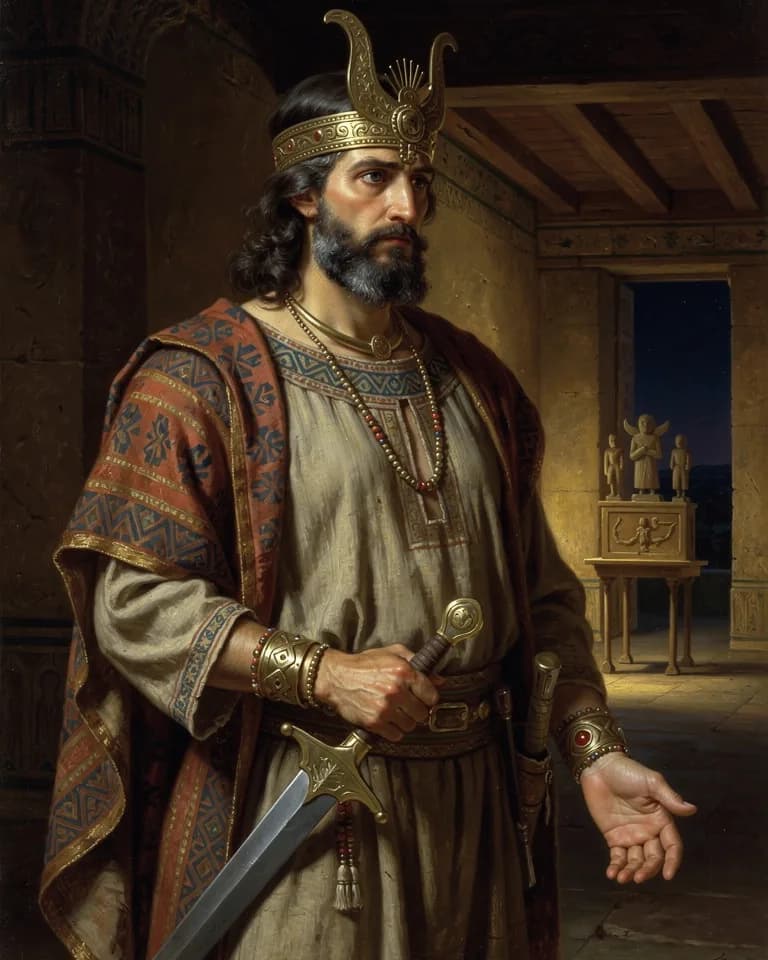
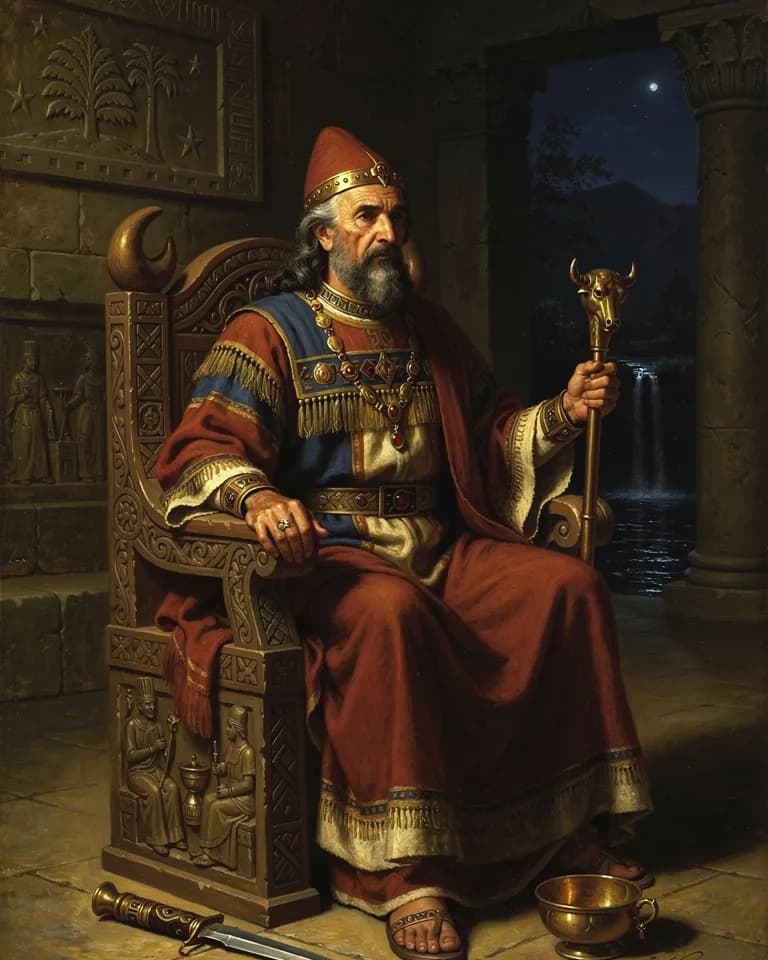
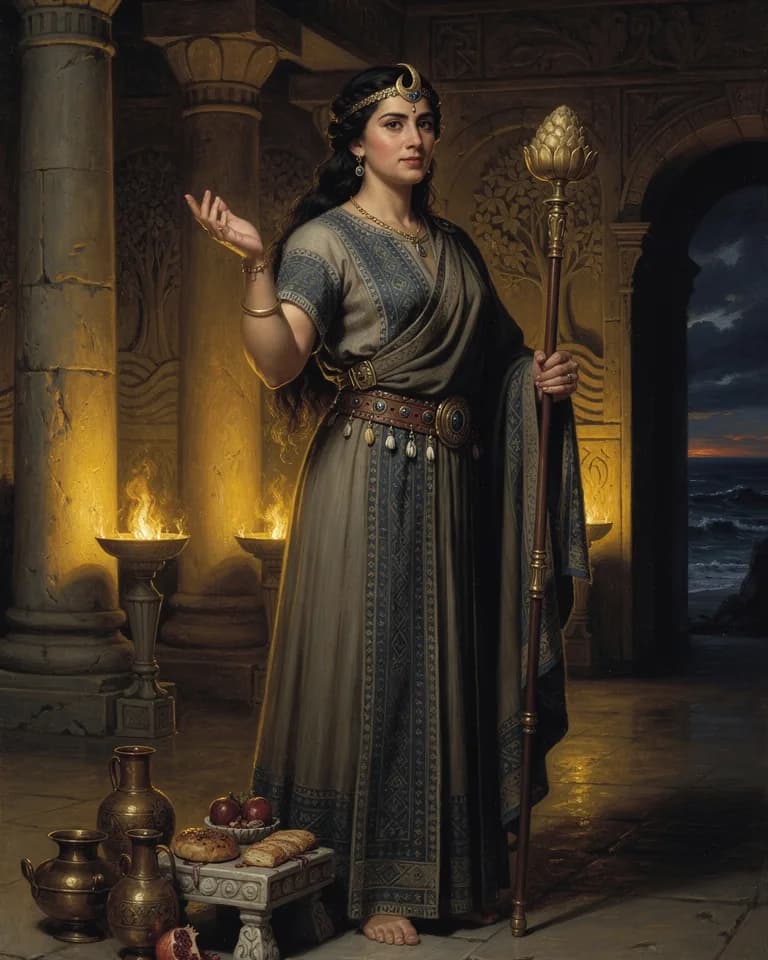
Heroes and divinities who feature prominently, with where they appear.
Key scenes
Turning points of the work, in reading order.
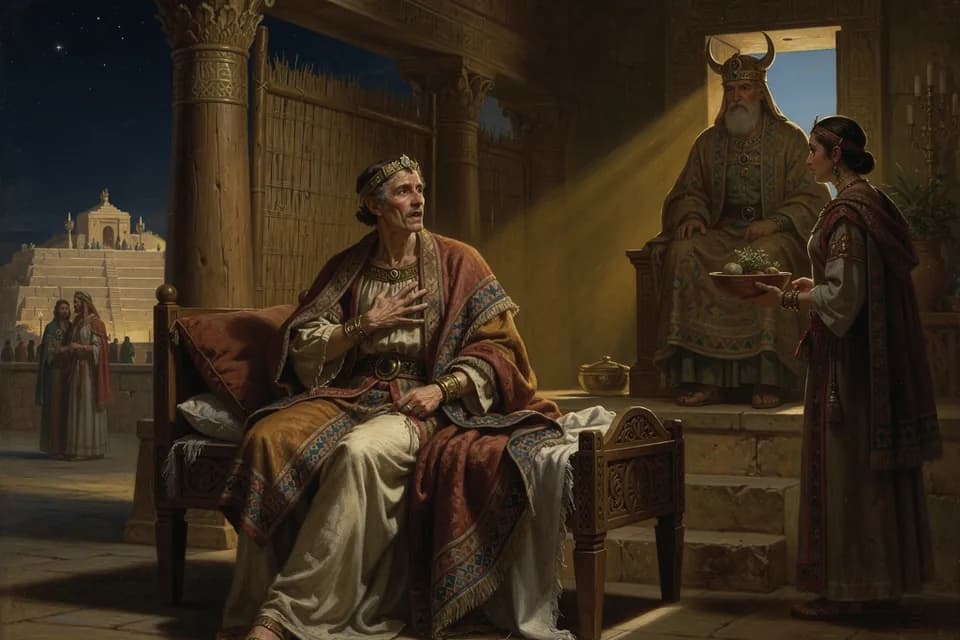
El's Dream
El appears to the grieving king in a dream and tells him to march on Udm and ask King Pabil for his daughter Hurriya.
The Forgotten Vow
Kirta vows gold and silver to Athirat if he wins Hurriya, then fails to pay, and the goddess remembers.
Stories drawn from it
Retellings in the atlas that quote or cite this work.
About this record
By Elizabeth Stein for Mythos Atlas. About the author. Editorial notes are grounded in the site's cited sources and can be challenged through the contact page.
Dates and authorship follow standard scholarly references; for many ancient works both are approximate or disputed.