Source recordAncient text
Theogony
Hesiod · c. 700 BCE · Ancient Greek
Ancient text
Theogony
Hesiod
A systematic account of the origin and genealogy of the Greek gods, from primordial Chaos to the reign of Zeus. The definitive source for divine genealogy.
About this work
A systematic account of the origin and genealogy of the Greek gods, from primordial Chaos to the reign of Zeus. The definitive source for divine genealogy.
Where to start
M.L. West's Oxford World's Classics prose translation of Hesiod is the standard accessible starting point, with a full scholarly introduction to the succession myth.
Figures in the text
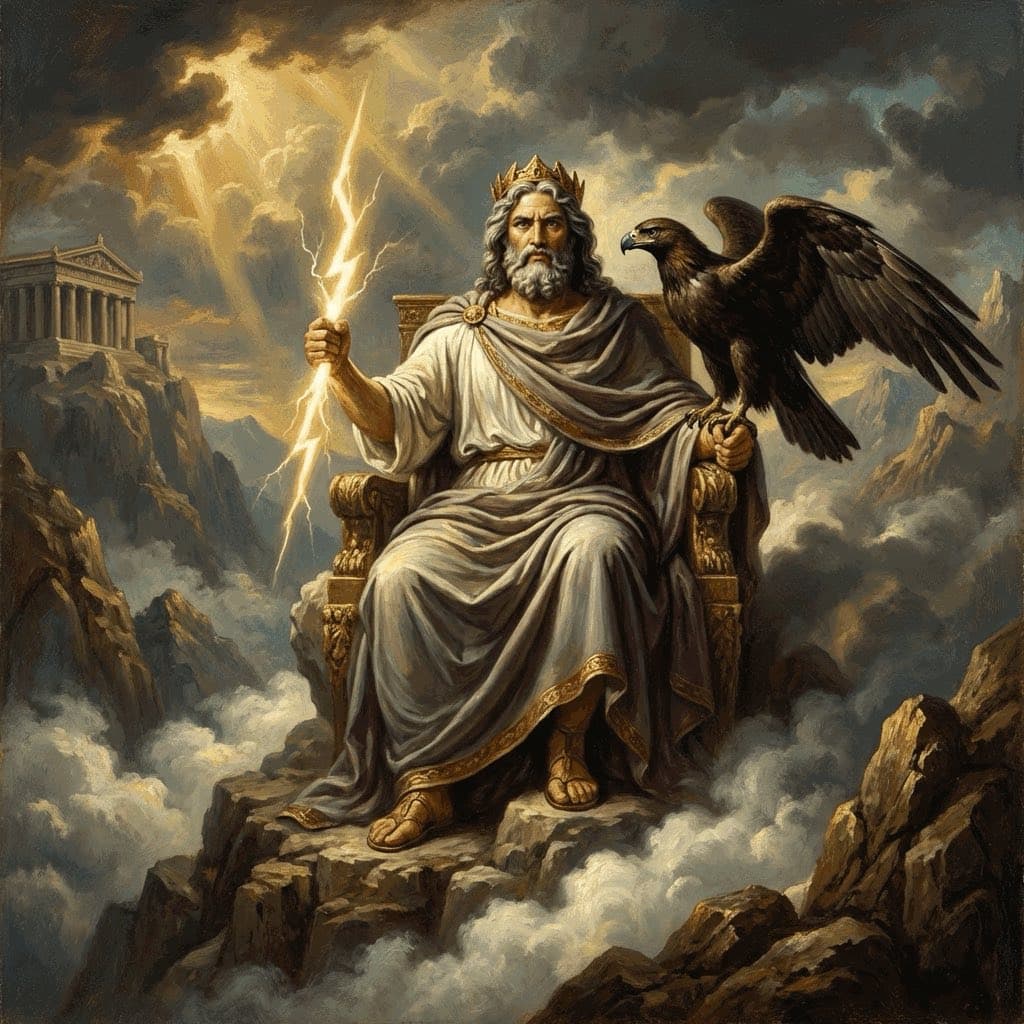
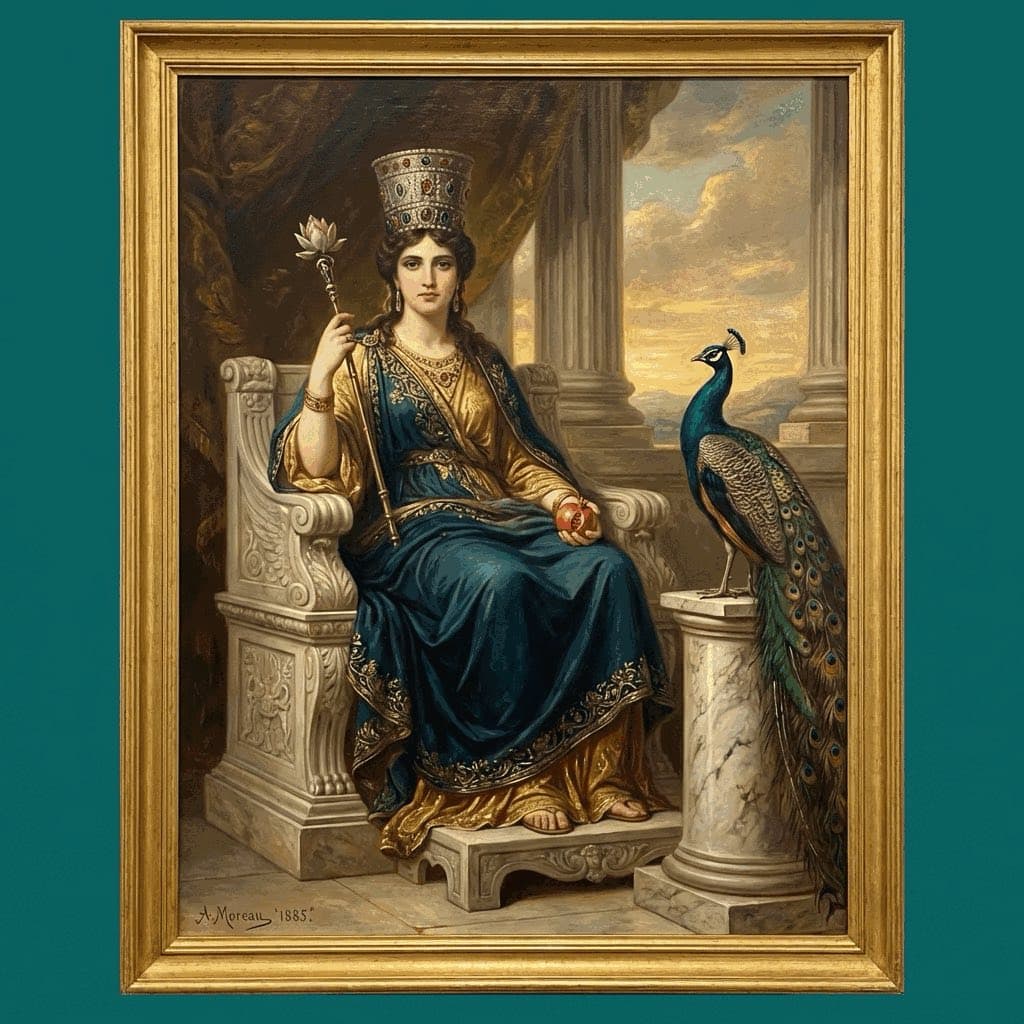
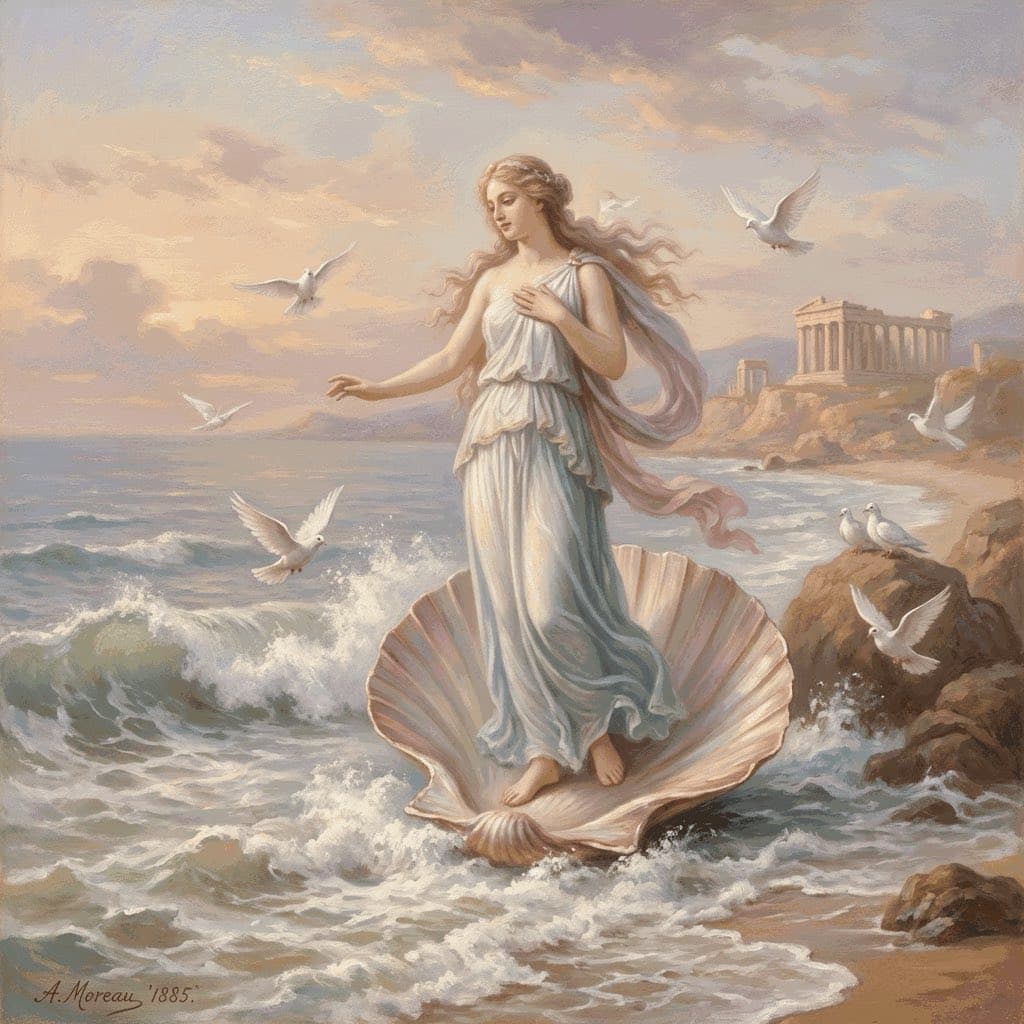
Heroes and divinities who feature prominently, with where they appear.
Key scenes
Turning points of the work, in reading order.
The Castration of Uranus
Cronus castrates his father Uranus at Gaia's urging, ending Uranus's tyranny over his children.
The Birth of Aphrodite
Aphrodite rises from the sea foam formed where Uranus's severed body fell into the water.
Zeus Swallows Metis
Zeus swallows his pregnant consort Metis to forestall a prophecy that her child would surpass him, later giving birth to Athena himself.
The Titanomachy
Zeus and the Olympians defeat the Titans in a ten-year war and imprison them in Tartarus.
Passages
Direct quotations are distinguished from editorial paraphrases and records awaiting verification.
“The boundless sea rang terribly around, and the earth crashed loudly: wide Heaven was shaken and groaned, and high Olympus reeled from its foundation.”
Hesiod, Theogony · 678-680
Translation: Hugh G. Evelyn-White
H. G. Evelyn-White, 1914
Read source“But when the blessed gods had finished their toil, and settled by force their struggle for honors with the Titans, they pressed far-seeing Olympian Zeus to reign and to rule over them, by Earth's prompting. So he divided their dignities amongst them.”
Hesiod, Theogony · 881-885
Translation: Hugh G. Evelyn-White
H. G. Evelyn-White, 1914
Read source“And he was reigning in heaven, himself holding the lightning and glowing thunderbolt, when he had overcome by might his father Cronos.”
Hesiod, Theogony · 71-73
Translation: Hugh G. Evelyn-White
H. G. Evelyn-White, 1914
Read source“So he said: and vast Earth rejoiced greatly in spirit, and set and hid him in an ambush, and put in his hands a jagged sickle, and revealed to him the whole plot.”
Hesiod, Theogony · 173–175
Translation: Hugh G. Evelyn-White
H. G. Evelyn-White, 1914, as transcribed by Theoi. English excerpt checked against the cited transcription on 2026-09-23; no Greek text is supplied.
Read source“My children, gotten of a sinful father, if you will obey me, we should punish the vile outrage of your father; for he first thought of doing shameful things.”
Hesiod, Theogony · 163–166, speech of Earth
Translation: Hugh G. Evelyn-White
H. G. Evelyn-White, 1914, as transcribed by Theoi. English excerpt checked against the cited transcription on 2026-09-23; no Greek text is supplied.
Read source“And she conceived and bare Hecate whom Zeus the son of Cronos honoured above all. He gave her splendid gifts, to have a share of the earth and the unfruitful sea.”
Hesiod, Theogony · Passage beginning at line 410, first two sentences
Translation: Hugh G. Evelyn-White
H. G. Evelyn-White, 1914, as transcribed by Theoi. English excerpt checked against the cited transcription on 2026-09-23; no Greek text is supplied.
Read sourceStories drawn from it
Retellings in the atlas that quote or cite this work.
 The TitanomachywarThe ten-year war between the Olympian gods led by Zeus and the Titans led by Cronus, resulting in the establishment of the Olympian order.
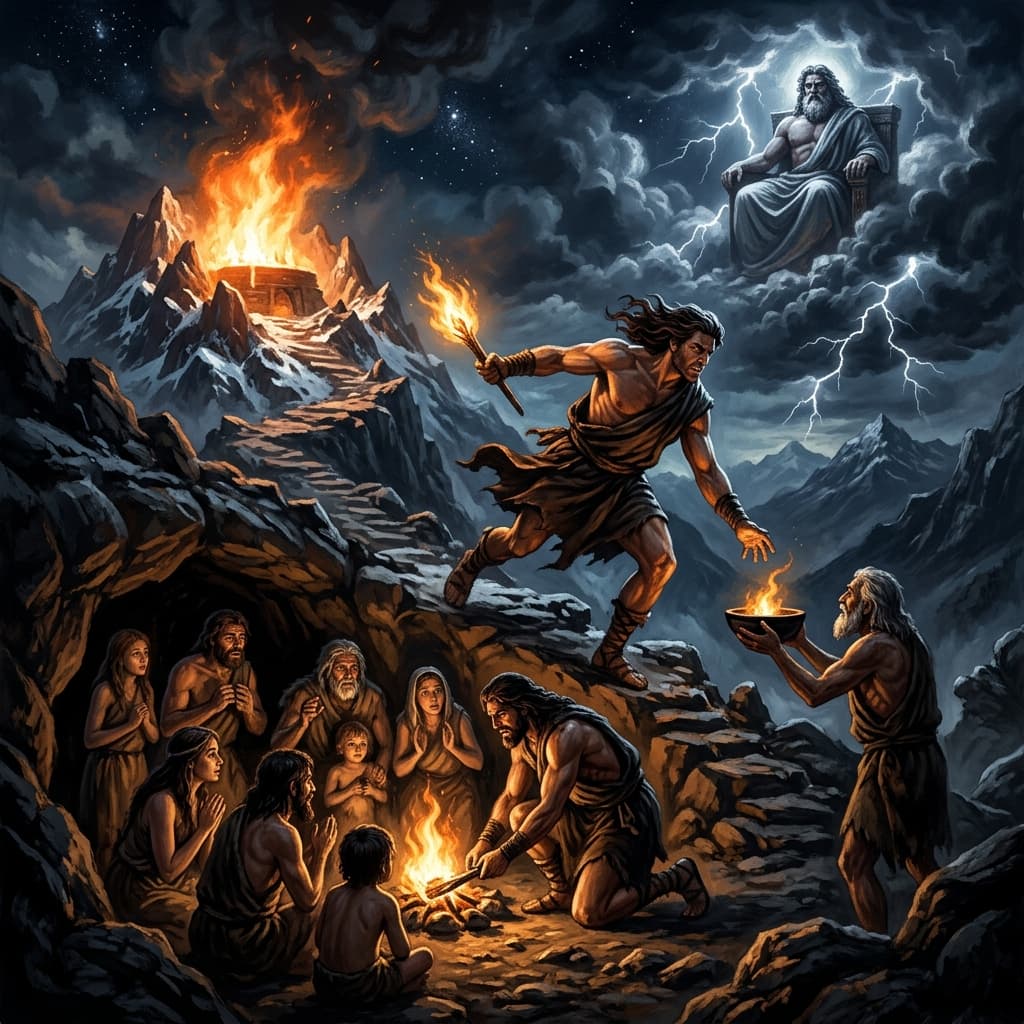 Prometheus Steals FirecreationThe Titan Prometheus defies Zeus to bring the gift of fire to humanity, suffering eternal punishment for his transgression yet ensuring civilization's advancement.
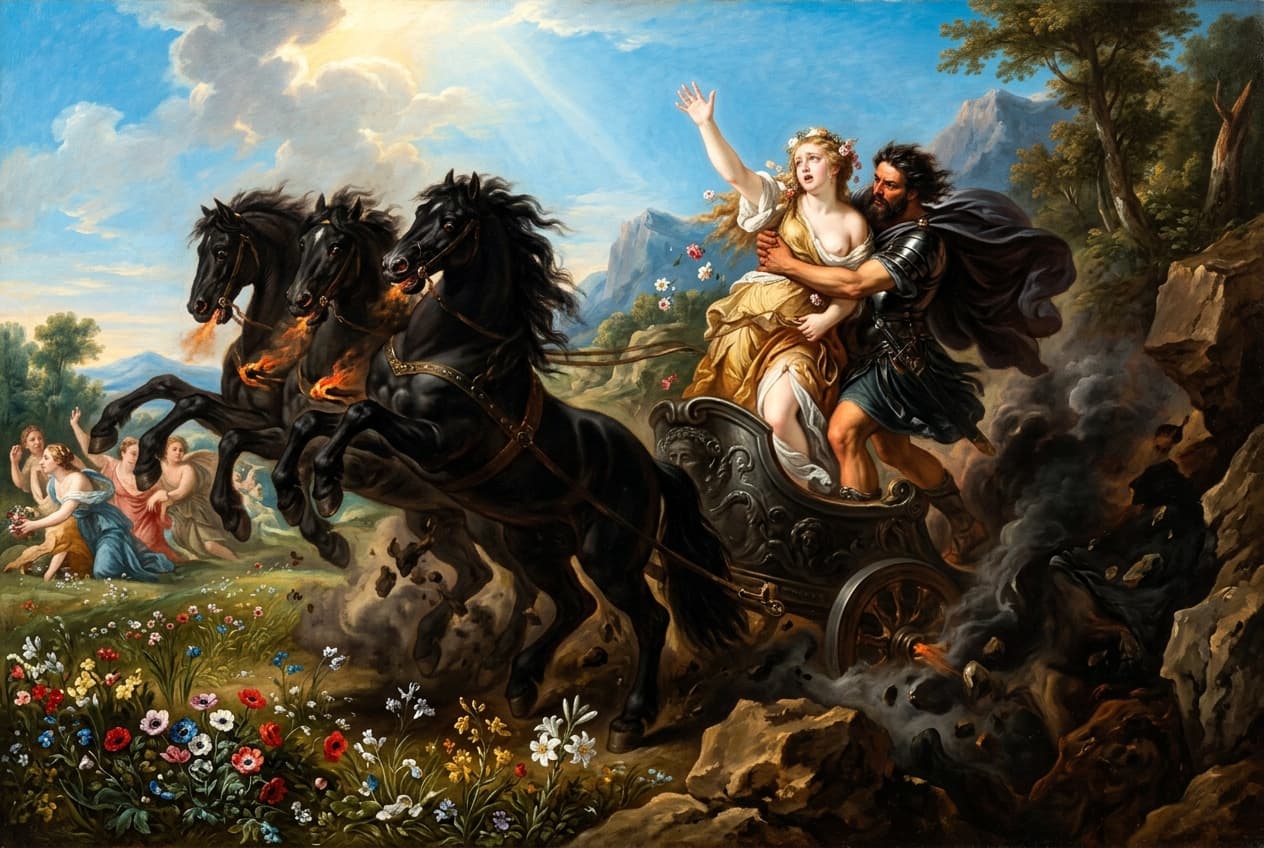 The Abduction of PersephonemythHades carries off Persephone, daughter of Demeter, with Zeus's consent. Demeter's grief and her withholding of the harvest force the gods to bargain, but because Persephone has eaten a pomegranate seed below, she must return to the underworld for part of every year.
About this record
By Elizabeth Stein for Mythos Atlas. About the author. Editorial notes are grounded in the site's cited sources and can be challenged through the contact page.
Dates and authorship follow standard scholarly references; for many ancient works both are approximate or disputed.