Side by sideParallel across traditions

Artemis vs Tsukuyomi

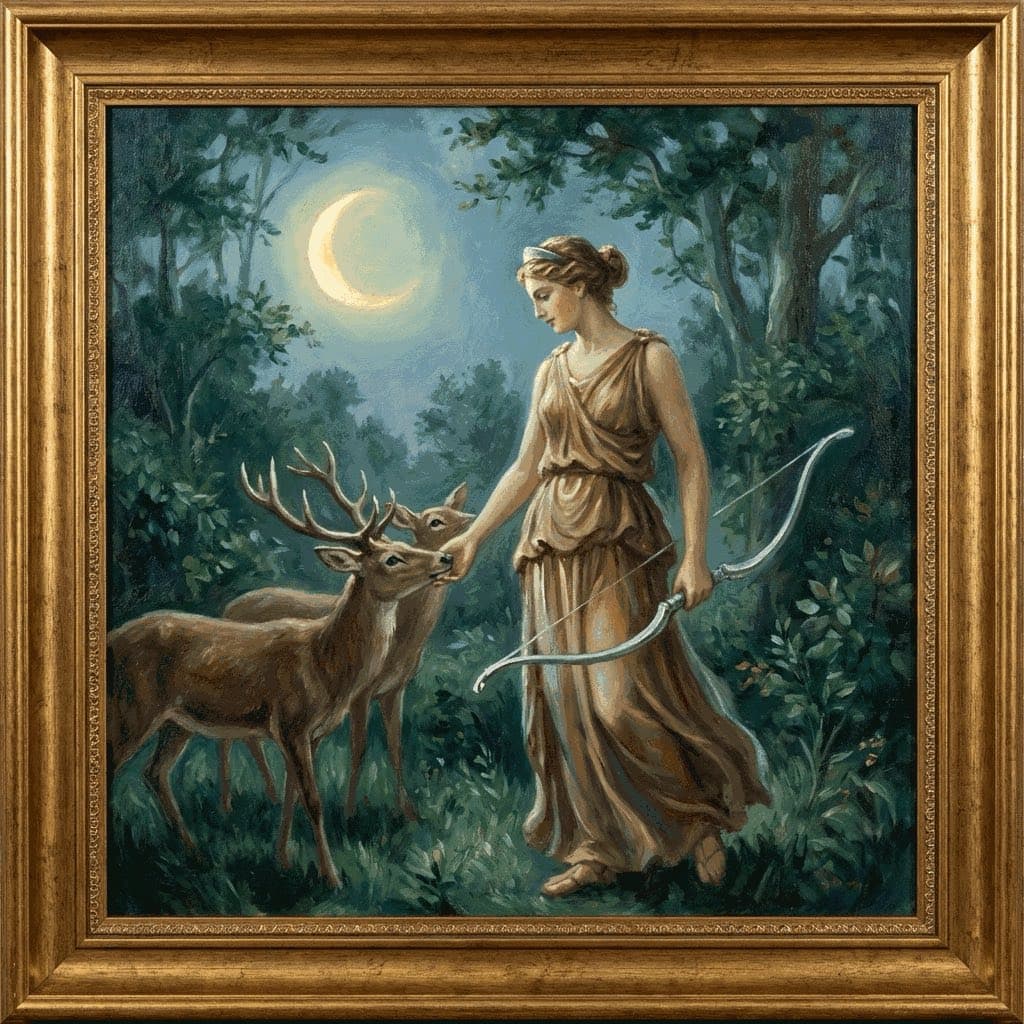
Artemis
ArtemisGreek
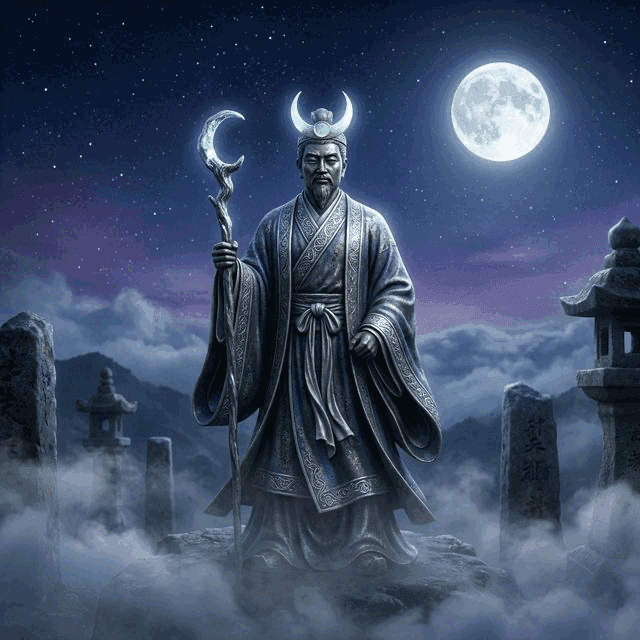
Tsukuyomi
TsukuyomiJapanese

Both are lunar deities, though Tsukuyomi is male and rules the night rather than the hunt.

At a glance

Artemis and Tsukuyomi compared
ArtemisTsukuyomi
TraditionGreek PantheonJapanese Pantheon
Domainshunt, wilderness, moon, childbirth, virginitymoon, night, time
Symbolsbow and arrow, deer, moon, cypressmoon, darkness
Also calledDianaTsukuyomi-no-Mikoto

Where they meet

Both are associated with moon.

They share a symbol: moon.

  • moon

Where they part

Only Artemis

Associated with hunt, wilderness, childbirth, and virginity.

Only Tsukuyomi

Associated with night and time.

Why they are compared

Both are deities of the moon and the night sky.

How each was worshipped

Artemis

Cult sites
Artemision at Ephesus; Brauron in Attica; Sanctuary at Aulis
Festivals
Brauronia; Elaphebolia; Ephesian Artemisia

Wild animals, childbirth, and girls leaving childhood are hers. Brauron kept the arktoi, the 'bears.' Ephesus housed a many-breasted civic image that is not a Greek huntress in a short chiton. Both are Artemis.

Tsukuyomi

Cult sites
A subordinate shrine at Ise; Scattered tsuki shrines; no great independent parish

The moon brother in the Kojiki, rarely a head shrine. Offerings go through Amaterasu's house more often than his. Thin cult, thick story.

The two figures

Greek Pantheon

Artemis

Goddess of the hunt, wilderness, and the moon. Twin sister of Apollo, protector of young women and animals.

Artemis is the fierce virgin goddess of the hunt and the wilderness ("*Potnia Theron*"). She roams the forests with her band of nymphs, protecting the natural world and punishing those who disrespect it.

Read the full Artemis entry

Japanese Pantheon

Tsukuyomi

God of the moon and night. Brother of Amaterasu and Susanoo. Represents night, time, and the lunar cycle. Ruler of the night realm.

Born from Izanagi's right eye during purification. Assigned to rule the night. His relationship with Amaterasu soured when he killed a goddess, causing sun and moon to separate.

**Tsukuyomi-no-Mikoto** rules over the night sky and the lunar realm, embodying the beauty and mystery of moonlight. Born alongside Amaterasu and Susanoo from their father Izanagi's purification ritual, Tsukuyomi emerged from the washing of Izanagi's right eye and was entrusted with dominion over the nocturnal world.

Read the full Tsukuyomi entry
About this comparison

Comparisons pair figures that play a similar role across traditions, or that the myths connect within one. A shared role does not, by itself, establish a shared origin.