
Side by sideParallel across traditions

Artemis vs Chang'e

Artemis
ArtemisGreek
Chang'e
Chang'eChinese

Both are moon goddesses associated with beauty and isolation.

At a glance

Artemis and Chang'e compared
ArtemisChang'e
TraditionGreek PantheonChinese Pantheon
Domainshunt, wilderness, moon, childbirth, virginitymoon, beauty, immortality, loneliness
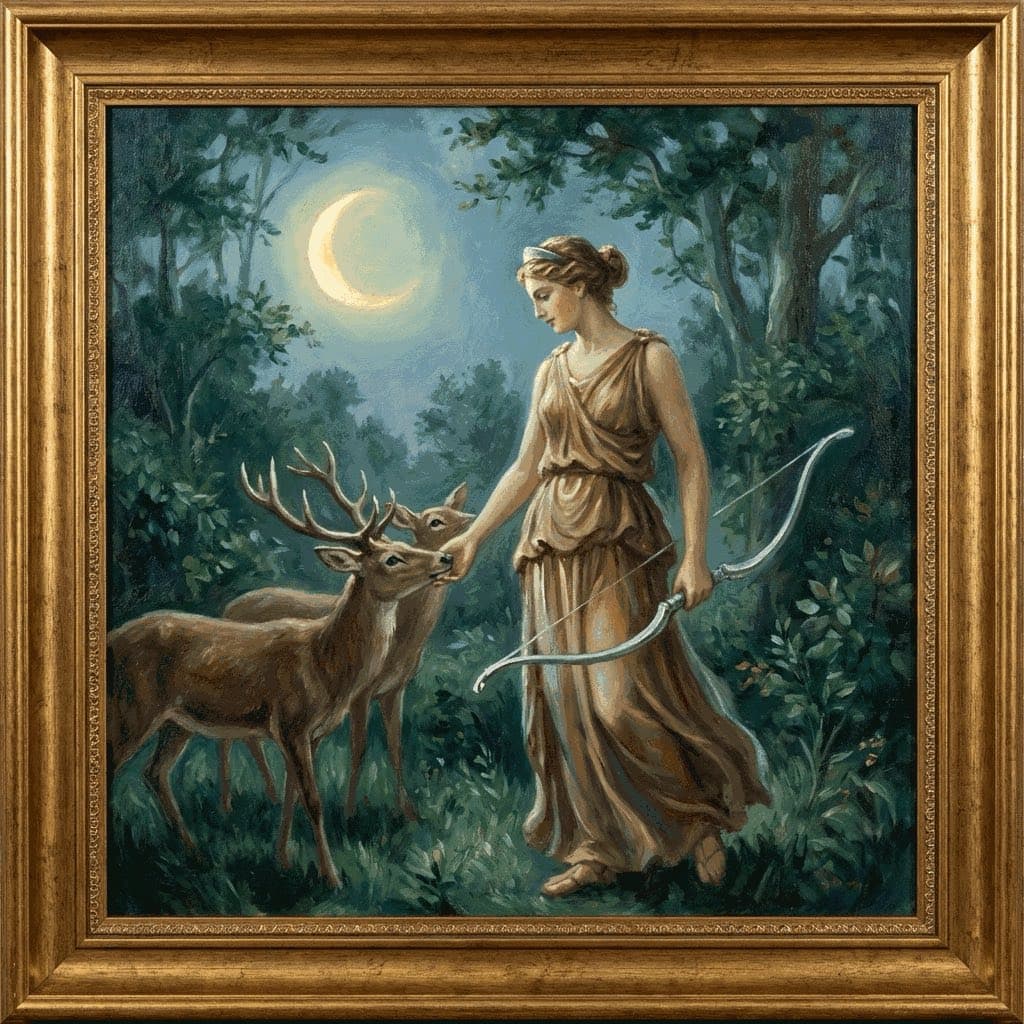
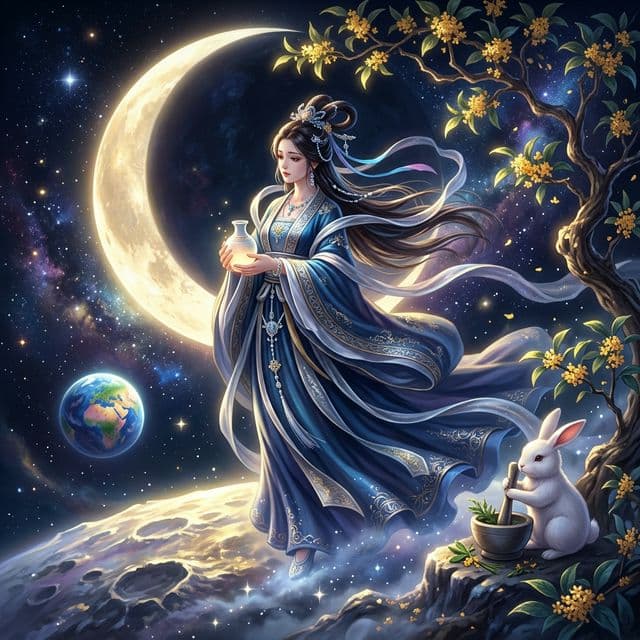
Symbolsbow and arrow, deer, moon, cypressmoon, jade rabbit, elixir of immortality, osmanthus tree
Also calledDianaLady in the Moon, Moon Goddess, Heng'e

Where they meet

Both are associated with moon.

They share a symbol: moon.

  • moon

Where they part

Only Artemis

Associated with hunt, wilderness, childbirth, and virginity.

Only Chang'e

Associated with beauty, immortality, and loneliness.

How each was worshipped

Artemis

Cult sites
Artemision at Ephesus; Brauron in Attica; Sanctuary at Aulis
Festivals
Brauronia; Elaphebolia; Ephesian Artemisia

Wild animals, childbirth, and girls leaving childhood are hers. Brauron kept the arktoi, the 'bears.' Ephesus housed a many-breasted civic image that is not a Greek huntress in a short chiton. Both are Artemis.

Chang'e

Cult sites
Moon-gazing, not a large temple network
Festivals
Mid-Autumn Festival

Mooncakes and a story about exile. Household observance beats priesthood. She is watched, not processed through a city.

The two figures

Greek Pantheon

Artemis

Goddess of the hunt, wilderness, and the moon. Twin sister of Apollo, protector of young women and animals.

Artemis is the fierce virgin goddess of the hunt and the wilderness ("*Potnia Theron*"). She roams the forests with her band of nymphs, protecting the natural world and punishing those who disrespect it.

Read the full Artemis entry

Chinese Pantheon

Chang'e

The goddess of the moon who lives in the Lunar Palace. She became immortal after drinking an elixir meant for her husband Hou Yi, and now dwells eternally on the moon with only a jade rabbit for company.

Chang'e was the beautiful wife of the archer Hou Yi. When the Queen Mother of the West gave her husband a single dose of the elixir of immortality, Chang'e drank it all and floated up to the moon, where she has lived in solitude ever since.

Chang'e is the solitary goddess of the moon, forever separated from her beloved husband, the archer Hou Yi. Her story is one of Chinese mythology's most poignant tales, exploring themes of sacrifice, immortality, and eternal loneliness.
Read the full Chang'e entry
About this comparison

Comparisons pair figures that play a similar role across traditions, or that the myths connect within one. A shared role does not, by itself, establish a shared origin.