Mythos Atlas

Side by sideParallel across traditions

Artemis vs Skadi

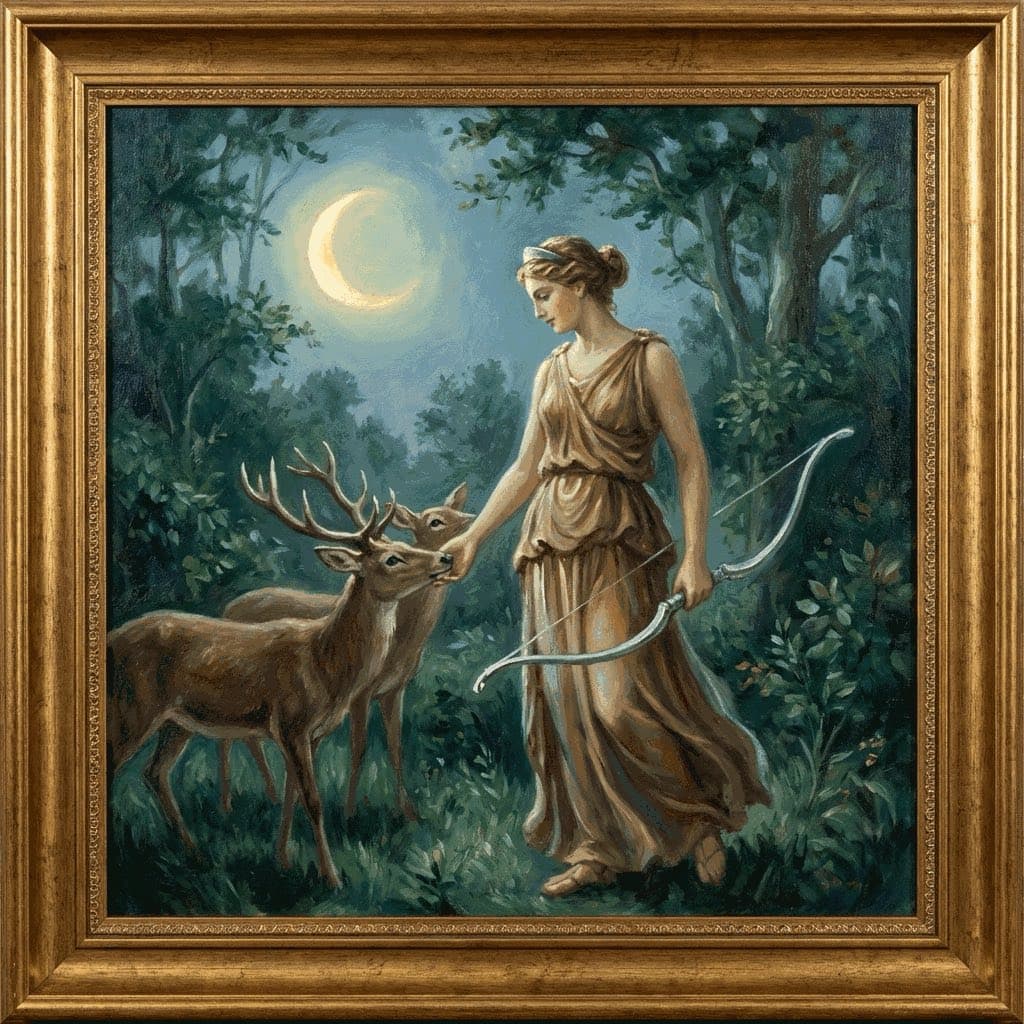
Artemis
ArtemisGreek
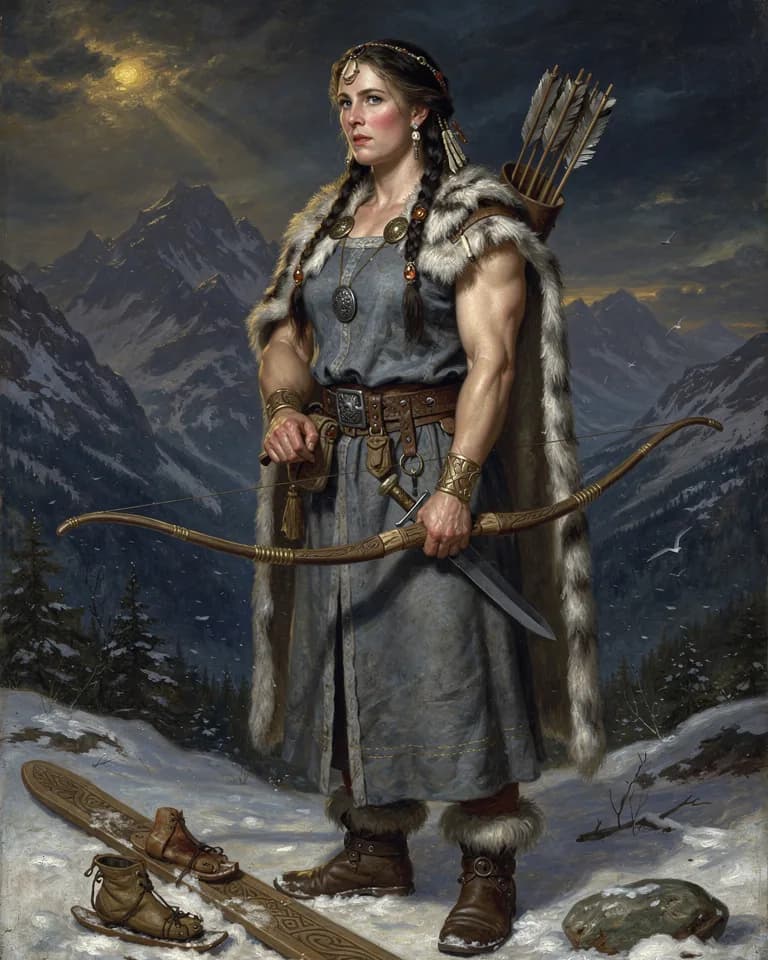
Skadi
SkadiNorse

Both are huntresses with the bow who keep to the wild mountains.

At a glance

Artemis and Skadi compared
ArtemisSkadi
TraditionGreek PantheonNorse Pantheon
Domainshunt, wilderness, moon, childbirth, virginitymountains, winter, hunting, skiing
Symbolsbow and arrow, deer, moon, cypresssnowshoes or skis, bow, mountain home Thrymheim
Also calledDianaSkaði, Öndurgoð (Snowshoe-Goddess), Öndurdís (Lady of the Snowshoes)

Where they meet

The atlas records no domain or symbol that Artemis and Skadi share.

They are compared for the part each plays in their own tradition rather than for any attribute in common.

Where they part

Only Artemis

Associated with hunt, wilderness, moon, childbirth, and virginity.

Only Skadi

Associated with mountains, winter, hunting, and skiing.

How each was worshipped

Artemis

Cult sites
Artemision at Ephesus; Brauron in Attica; Sanctuary at Aulis
Festivals
Brauronia; Elaphebolia; Ephesian Artemisia

Wild animals, childbirth, and girls leaving childhood are hers. Brauron kept the arktoi, the 'bears.' Ephesus housed a many-breasted civic image that is not a Greek huntress in a short chiton. Both are Artemis.

Skadi

No cult sites or festivals are recorded in the atlas.

The two figures

Greek Pantheon

Artemis

Goddess of the hunt, wilderness, and the moon. Twin sister of Apollo, protector of young women and animals.

Artemis is the fierce virgin goddess of the hunt and the wilderness ("*Potnia Theron*"). She roams the forests with her band of nymphs, protecting the natural world and punishing those who disrespect it.

Read the full Artemis entry

Norse Pantheon

Skadi

A giantess who came armed to Asgard to avenge her father Thjazi and was offered a husband in compensation, choosing Njord by his feet alone. She is the huntress of the snowy mountains who travels on snowshoes with her bow.

Skadi is the daughter of the giant Thjazi. After the gods killed him, she came to Asgard in arms to avenge him and accepted a marriage to Njord, chosen by his feet, as part of the settlement.

Skadi's father, the giant Thjazi, abducted the goddess Idunn and her apples of youth and was killed by the gods when he pursued Loki back to Asgard. Snorri Sturluson's *Skaldskaparmal* tells how Skadi took up helmet, mail, and weapons and went to Asgard to avenge him. The gods offered compensation: she might choose a husband from among them, seeing only their feet. Hoping for Baldr, she chose the most beautiful feet, and they belonged to Njord, god of the sea. The gods also had to make her laugh, which Loki managed with a crude trick, and Odin threw Thjazi's eyes into the sky as stars.
Read the full Skadi entry
About this comparison

Comparisons pair figures that play a similar role across traditions, or that the myths connect within one. A shared role does not, by itself, establish a shared origin.