Side by sideParallel across traditions

Chang'e vs Tsukuyomi

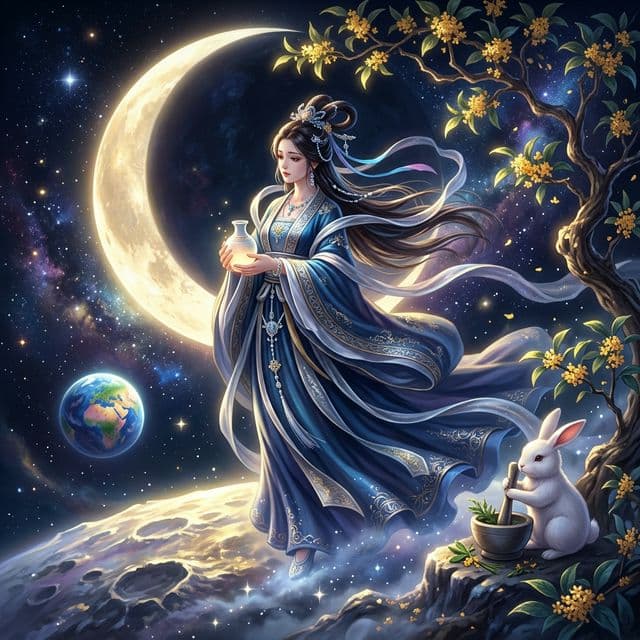
Chang'e
Chang'eChinese
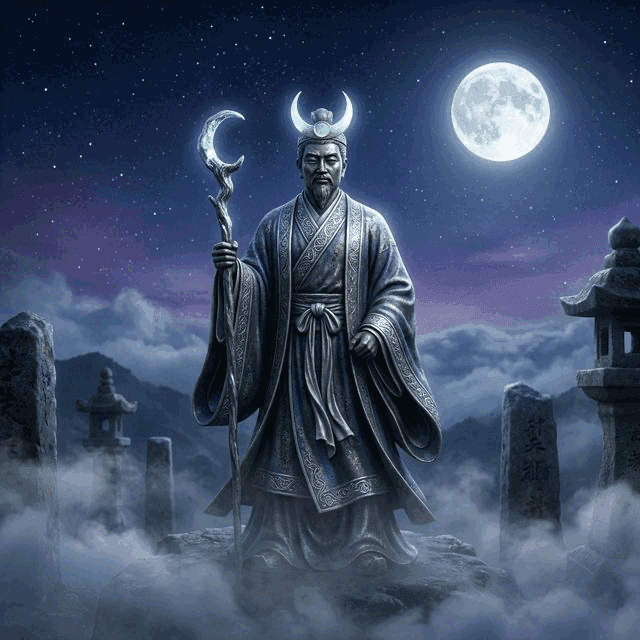
Tsukuyomi
TsukuyomiJapanese

Both are lunar deities associated with the moon's isolation and beauty.

At a glance

Chang'e and Tsukuyomi compared
Chang'eTsukuyomi
TraditionChinese PantheonJapanese Pantheon
Domainsmoon, beauty, immortality, lonelinessmoon, night, time
Symbolsmoon, jade rabbit, elixir of immortality, osmanthus treemoon, darkness
Also calledLady in the Moon, Moon Goddess, Heng'eTsukuyomi-no-Mikoto

Where they meet

Both are associated with moon.

They share a symbol: moon.

  • moon

Where they part

Only Chang'e

Associated with beauty, immortality, and loneliness.

Only Tsukuyomi

Associated with night and time.

Why they are compared

Both are moon deities living in eternal isolation from a former companion.

How each was worshipped

Chang'e

Cult sites
Moon-gazing, not a large temple network
Festivals
Mid-Autumn Festival

Mooncakes and a story about exile. Household observance beats priesthood. She is watched, not processed through a city.

Tsukuyomi

Cult sites
A subordinate shrine at Ise; Scattered tsuki shrines; no great independent parish

The moon brother in the Kojiki, rarely a head shrine. Offerings go through Amaterasu's house more often than his. Thin cult, thick story.

The two figures

Chinese Pantheon

Chang'e

The goddess of the moon who lives in the Lunar Palace. She became immortal after drinking an elixir meant for her husband Hou Yi, and now dwells eternally on the moon with only a jade rabbit for company.

Chang'e was the beautiful wife of the archer Hou Yi. When the Queen Mother of the West gave her husband a single dose of the elixir of immortality, Chang'e drank it all and floated up to the moon, where she has lived in solitude ever since.

Chang'e is the solitary goddess of the moon, forever separated from her beloved husband, the archer Hou Yi. Her story is one of Chinese mythology's most poignant tales, exploring themes of sacrifice, immortality, and eternal loneliness.

Read the full Chang'e entry

Japanese Pantheon

Tsukuyomi

God of the moon and night. Brother of Amaterasu and Susanoo. Represents night, time, and the lunar cycle. Ruler of the night realm.

Born from Izanagi's right eye during purification. Assigned to rule the night. His relationship with Amaterasu soured when he killed a goddess, causing sun and moon to separate.

**Tsukuyomi-no-Mikoto** rules over the night sky and the lunar realm, embodying the beauty and mystery of moonlight. Born alongside Amaterasu and Susanoo from their father Izanagi's purification ritual, Tsukuyomi emerged from the washing of Izanagi's right eye and was entrusted with dominion over the nocturnal world.

Read the full Tsukuyomi entry
About this comparison

Comparisons pair figures that play a similar role across traditions, or that the myths connect within one. A shared role does not, by itself, establish a shared origin.