
Side by sideParallel across traditions

Hermes vs Thoth

Hermes
HermesGreek
Thoth
ThothEgyptian

Both serve as divine messengers and are associated with writing, knowledge, and guiding souls to the afterlife.

At a glance

Hermes and Thoth compared
HermesThoth
TraditionGreek PantheonEgyptian Pantheon
Domainsmessengers, commerce, thieves, travelers, boundarieswisdom, writing, magic, moon, time, knowledge, judgment
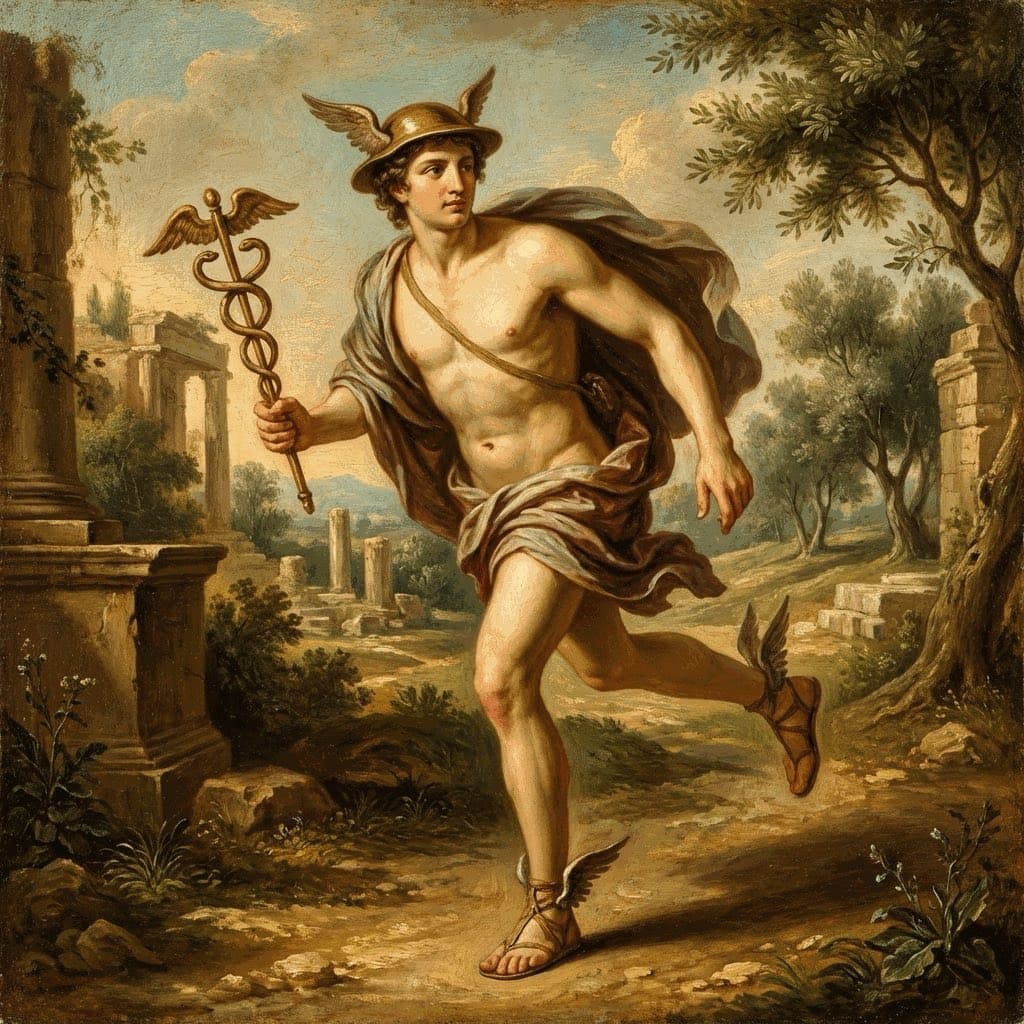
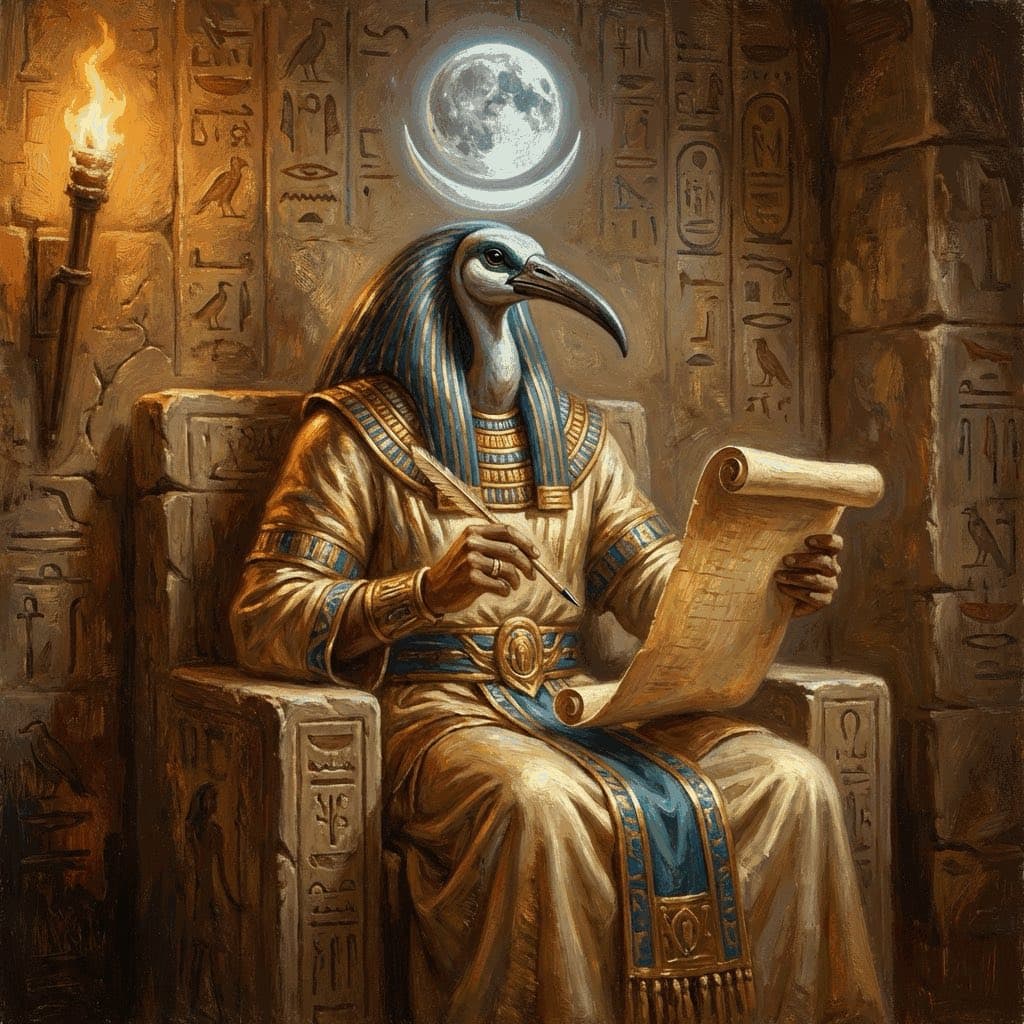
Symbolscaduceus, winged sandals, petasos, tortoise, roosteribis, baboon, writing palette, moon disk, papyrus scroll
Also calledMercuryDjehuty, Tehuti, Three Times Great

Where they meet

The atlas records no domain or symbol that Hermes and Thoth share.

They are compared for the part each plays in their own tradition rather than for any attribute in common.

Where they part

Only Hermes

Associated with messengers, commerce, thieves, travelers, and boundaries.

Only Thoth

Associated with wisdom, writing, magic, moon, time, knowledge, and judgment.

Why they are compared

The Hellenistic syncretism 'Hermes Trismegistus' directly fused the two as the god of wisdom, writing, and magic.

How each was worshipped

Hermes

Cult sites
Hermo on roads and at doorways more than a single great temple; Sanctuary of Hermes at Pheneos in Arcadia
Festivals
Hermaia

The herm, a bearded head on a pillar, is the cult you actually meet: boundaries, luck, and theft. Athletic Hermaia marked boys. He leads souls and goats with the same staff. A marketplace god before he is a cute messenger.

Thoth

Cult sites
Hermopolis Magna (Khmun); House of Life scriptoria in major temples
Festivals
Thoth festivals of the lunar calendar; New Year scribal observances

Ibis, baboon, and the scribe's kit. He records the weighing of the heart and invents writing. Priests of the House of Life worked in his shadow. Moon and word are one office.

The two figures

Greek Pantheon

Hermes

God of messengers, commerce, thieves, and travelers. Son of Zeus and the nymph Maia, known for his cunning and speed.

Hermes is the swift messenger of the gods, wearing winged sandals and carrying the caduceus. He is the patron of boundaries and travelers, and the only god (besides Hades and Persephone) who can freely travel to the Underworld.

Read the full Hermes entry

Egyptian Pantheon

Thoth

God of wisdom, writing, and magic. Inventor of hieroglyphs and scribe of the gods. He records the results of the weighing of hearts ceremony.

Thoth's origins are mysterious, befitting the god of hidden knowledge. In some traditions, he was self-created, emerging from the chaos at the beginning of time through the power of language itself. Other accounts describe him as born from the lips of Ra, created from the sun god's words. In Hermopolitan theology, Thoth was among the primordial eight deities (the Ogdoad) who existed before creation. His role in establishing cosmic order through writing and calculation made him essential to the functioning of the universe from its very beginning.

Thoth is the ibis-headed god of wisdom, writing, magic, and the moon. He invented hieroglyphs and is credited with creating all branches of knowledge, including science, philosophy, mathematics, and religion. His precise calculations and record-keeping maintain cosmic order.
Read the full Thoth entry
About this comparison

Comparisons pair figures that play a similar role across traditions, or that the myths connect within one. A shared role does not, by itself, establish a shared origin.