Side by sideParallel across traditions

Kali vs Tlazolteotl

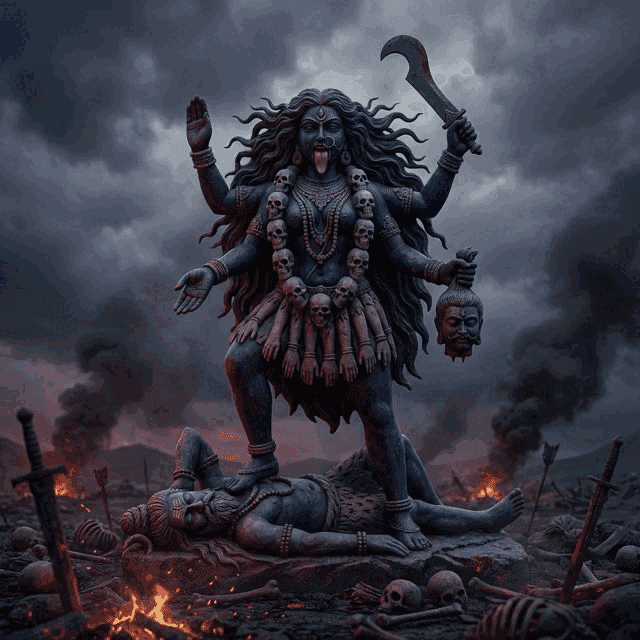
Kali
KaliHindu
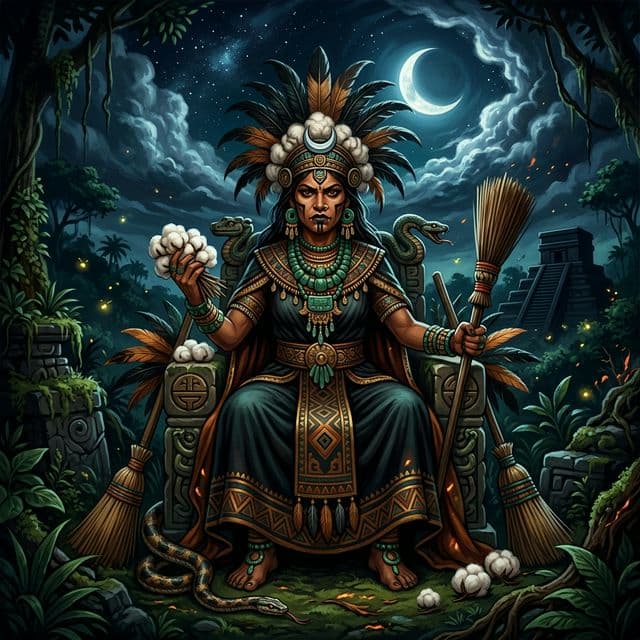
Tlazolteotl
TlazolteotlAztec

Both are transgressive goddesses tied to purification through consuming filth/destruction.

At a glance

Kali and Tlazolteotl compared
KaliTlazolteotl
TraditionHindu PantheonAztec Pantheon
Domainstime, change, death, destruction, liberationpurification, filth, confession, lust, childbirth, cotton
Symbolssword, severed head, skull, bloodblackened mouth, cotton headdress, broom, crescent moon
Also calledMahakali, Bhadrakali, KalikaFilth Eater, Tlaelquani, Ixcuina

Where they meet

The atlas records no domain or symbol that Kali and Tlazolteotl share.

They are compared for the part each plays in their own tradition rather than for any attribute in common.

Where they part

Only Kali

Associated with time, change, death, destruction, and liberation.

Only Tlazolteotl

Associated with purification, filth, confession, lust, childbirth, and cotton.

Why they are compared

Both are goddesses who embody transgression while serving as agents of purification and transformation.

How each was worshipped

Kali

Cult sites
Kalighat in Kolkata; Dakshineswar Kali Temple; Kamakhya
Festivals
Kali Puja; Diwali night in Bengal; Navaratri in her fierce form

Night, red hibiscus, and in older practice blood. Tantric houses keep her close; most public temples now offer gourds or goats under local law. Do not pretty this into a wellness goddess.

Tlazolteotl

Cult sites
Temples in the Gulf and the Mexica capital
Festivals
Ochpaniztli, the sweeping of the roads

Filth and pardon. Midwives and confessors belong to her. The sweeping month cleaned the city; she ate the dirt of sexual transgression.

The two figures

Hindu Pantheon

Kali

Fierce goddess of time, change, death, and ultimate reality. A form of Parvati/Durga. Despite her terrifying appearance, she destroys evil and liberates devotees from ego and illusion.

Kali emerged from Durga's forehead during battle with demons. Her rage was so fierce she began destroying everything. Shiva lay beneath her feet to calm her. Kali is black, representing the void.

Kali is the fierce goddess of **time**, change, destruction, and ultimate reality. Her name derives from *kala* (time/black), representing the void from which all creation emerges and into which it dissolves. Despite her terrifying appearance, she liberates devotees from ego and illusion.

Read the full Kali entry

Aztec Pantheon

Tlazolteotl

The goddess of purification, sin, and confession. Tlazolteotl consumed the moral filth of humanity, absorbing confessed sins and granting absolution before death.

Tlazolteotl originated among the Huastec people of the Gulf Coast before being adopted into the Aztec pantheon. She was brought to the central highlands where her cult of confession and purification became central to Aztec religion.

Tlazolteotl ("Filth Deity") was the Aztec goddess of **sin, purification, and confession**. She embodied the paradox of moral impurity: she both incited lust and consumed its consequences. Her black-painted mouth symbolized her consumption of humanity's sins.

Read the full Tlazolteotl entry
About this comparison

Comparisons pair figures that play a similar role across traditions, or that the myths connect within one. A shared role does not, by itself, establish a shared origin.