Side by sideParallel across traditions

Mercury vs Odin

Mercury
MercuryRoman
Odin
OdinNorse

Tacitus identifies the chief Germanic god (Odin/Woden) with Mercury, both wandering gods of wisdom, magic, and eloquence.

At a glance

Mercury and Odin compared
MercuryOdin
TraditionRoman PantheonNorse Pantheon
Domainsmessengers, commerce, thieves, travelers, boundaries, eloquencewisdom, war, death, poetry, magic, knowledge
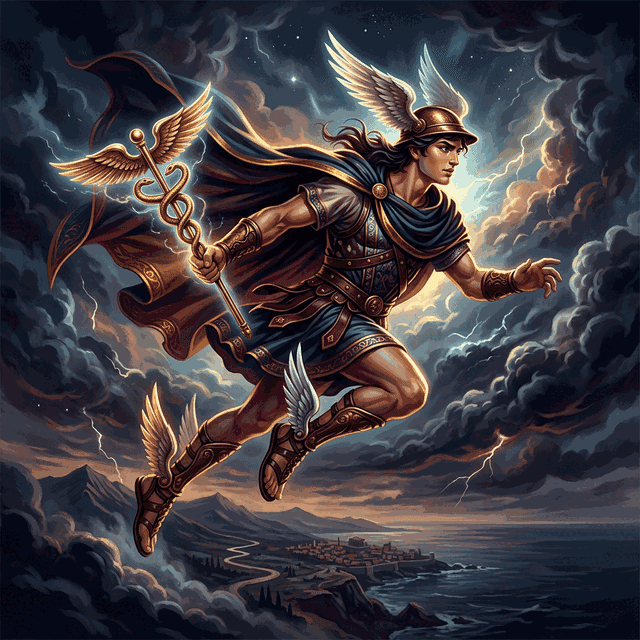
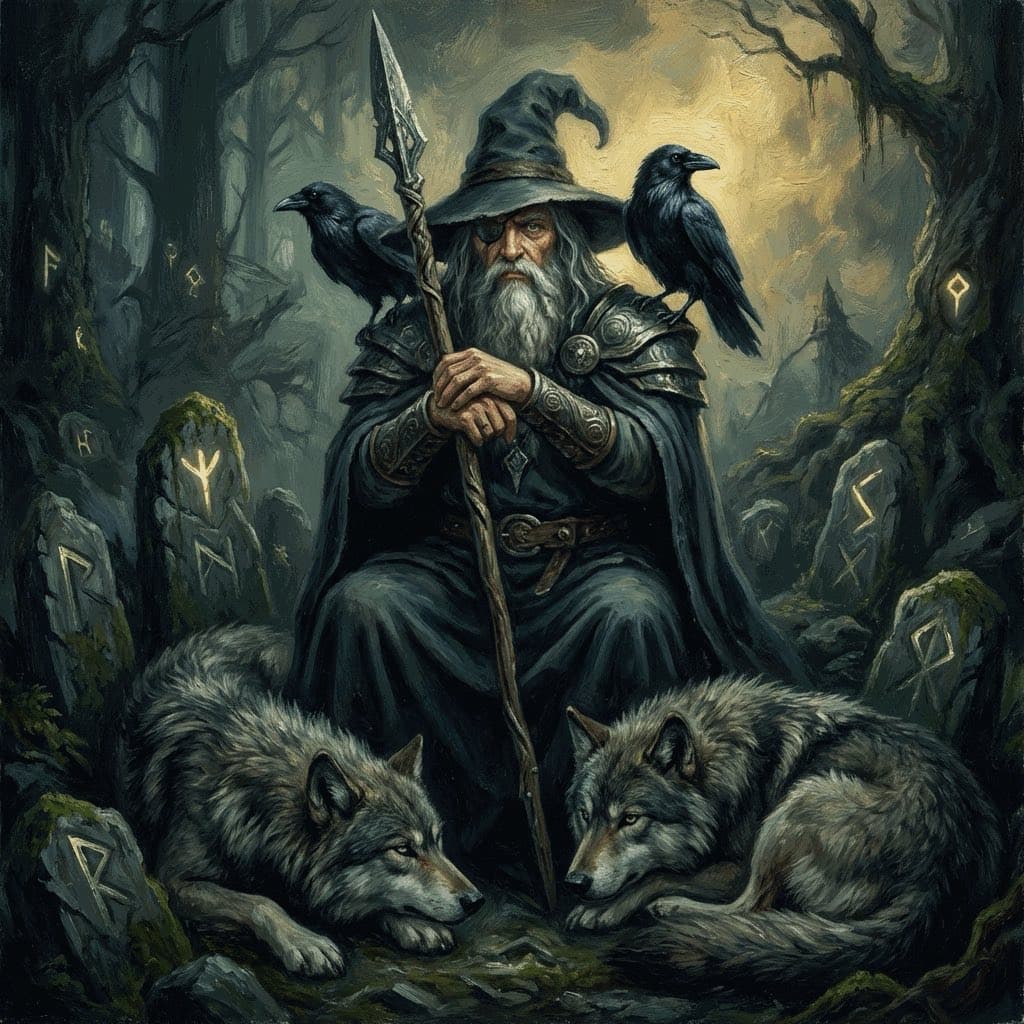
Symbolscaduceus, winged sandals, winged cap, roosterspear Gungnir, ravens Huginn and Muninn, eight-legged horse Sleipnir, wolves Geri and Freki, one eye
Also calledMercuriusAllfather, Woden, Wotan, The Wanderer

Where they meet

The atlas records no domain or symbol that Mercury and Odin share.

They are compared for the part each plays in their own tradition rather than for any attribute in common.

Where they part

Only Mercury

Associated with messengers, commerce, thieves, travelers, boundaries, and eloquence.

Only Odin

Associated with wisdom, war, death, poetry, magic, and knowledge.

Why they are compared

Tacitus's Germania identifies the chief Germanic god (Odin/Woden) with Mercury, both wandering gods of wisdom, magic, and eloquence.

How each was worshipped

Mercury

Cult sites
Temple of Mercury on the Aventine, dedicated 495 BCE; Shrine at the Circus Maximus associated with trade and the guild of merchants
Festivals
Mercuralia (15 May)

Merchants sprinkled their heads and goods with water from a well at the Porta Capena. The caduceus marked the guild of Mercuriales. He is profit, messages, and the uneasy honesty of the market, not a psychopomp first.

Odin

Cult sites
Temple at Uppsala (Adam of Bremen), with Thor and Freyr; No surviving named stave-church equivalent; mounds, trees, and halls
Festivals
Yule; Sacrifices for victory (sigurblót)

Hanged god, poetry, and the war-dead. Wednesday keeps his name. Uppsala tradition put him with Thor and Freyr. Spear, ravens, and the high seat are the cult signs; evidence is later and Christian-filtered, and should be read that way.

The two figures

Roman Pantheon

Mercury

Messenger of the gods and god of commerce, eloquence, messages, travelers, boundaries, luck, and thieves. Guide of souls to the underworld. Roman equivalent of Hermes.

Mercury is the god of messages, thieves, travelers, and, above all in Rome, **commerce**. His temple on the Aventine was dedicated in 495 BCE and associated with a merchants' guild, the Mercuriales. The caduceus and winged hat come from Hermes. The shopkeeper's prayer is Latin.

Read the full Mercury entry

Norse Pantheon

Odin

King of the Aesir and god of wisdom, war, and death. Odin sacrificed his eye at Mimir's well for wisdom and hung himself on Yggdrasil for nine days to learn the runes.

Odin is the son of the primordial beings Borr and Bestla. Along with his brothers Vili and Ve, he slew the giant Ymir and created the world from his body.

Odin is the chief of the Aesir, a relentless seeker of wisdom. He sacrificed his eye to Mimir's Well for knowledge and hung himself from Yggdrasil for nine nights to discover the runes.

Read the full Odin entry
About this comparison

Comparisons pair figures that play a similar role across traditions, or that the myths connect within one. A shared role does not, by itself, establish a shared origin.