Side by sideParallel across traditions

Odin vs Zeus

Odin
OdinNorse
Zeus
ZeusGreek

Both are sky father figures and kings of their respective pantheons, though Odin emphasizes wisdom while Zeus emphasizes power.

At a glance

Odin and Zeus compared
OdinZeus
TraditionNorse PantheonGreek Pantheon
Domainswisdom, war, death, poetry, magic, knowledgesky, thunder, lightning, law, order
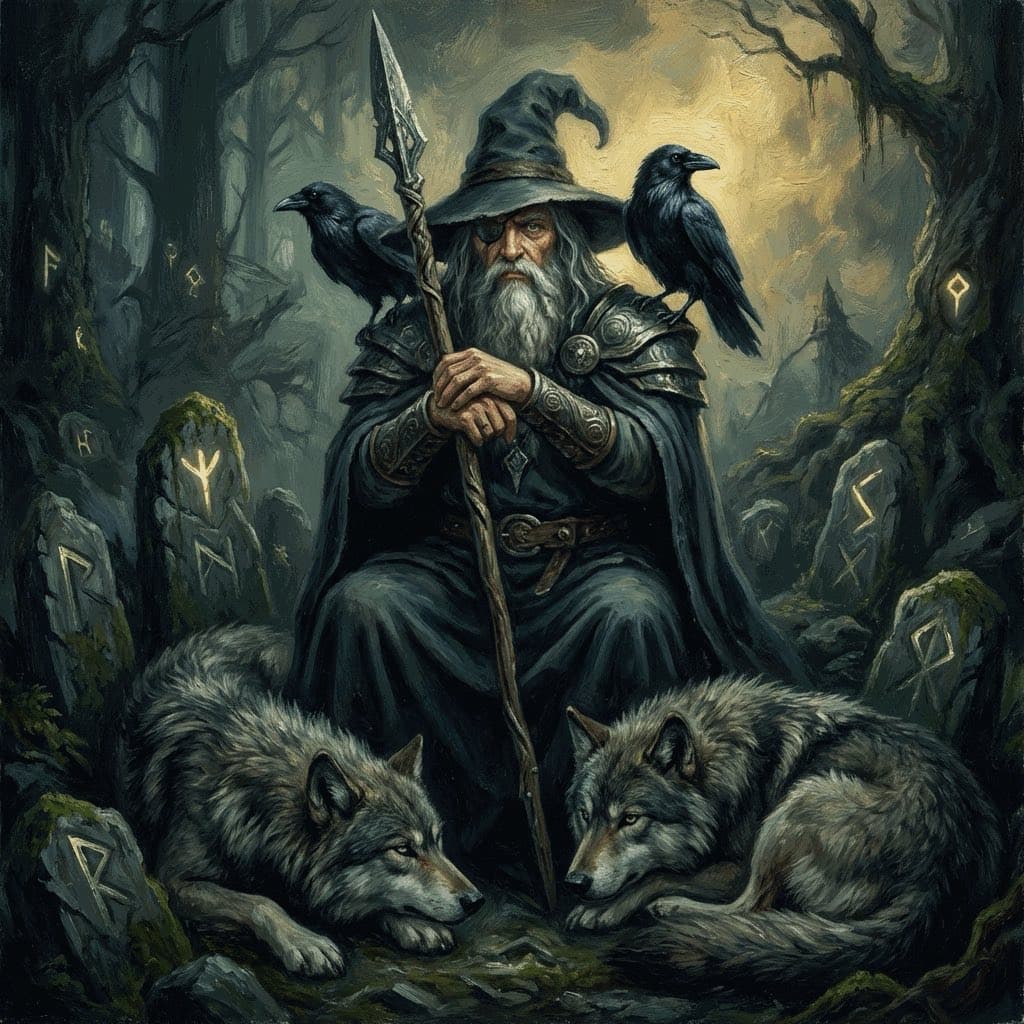
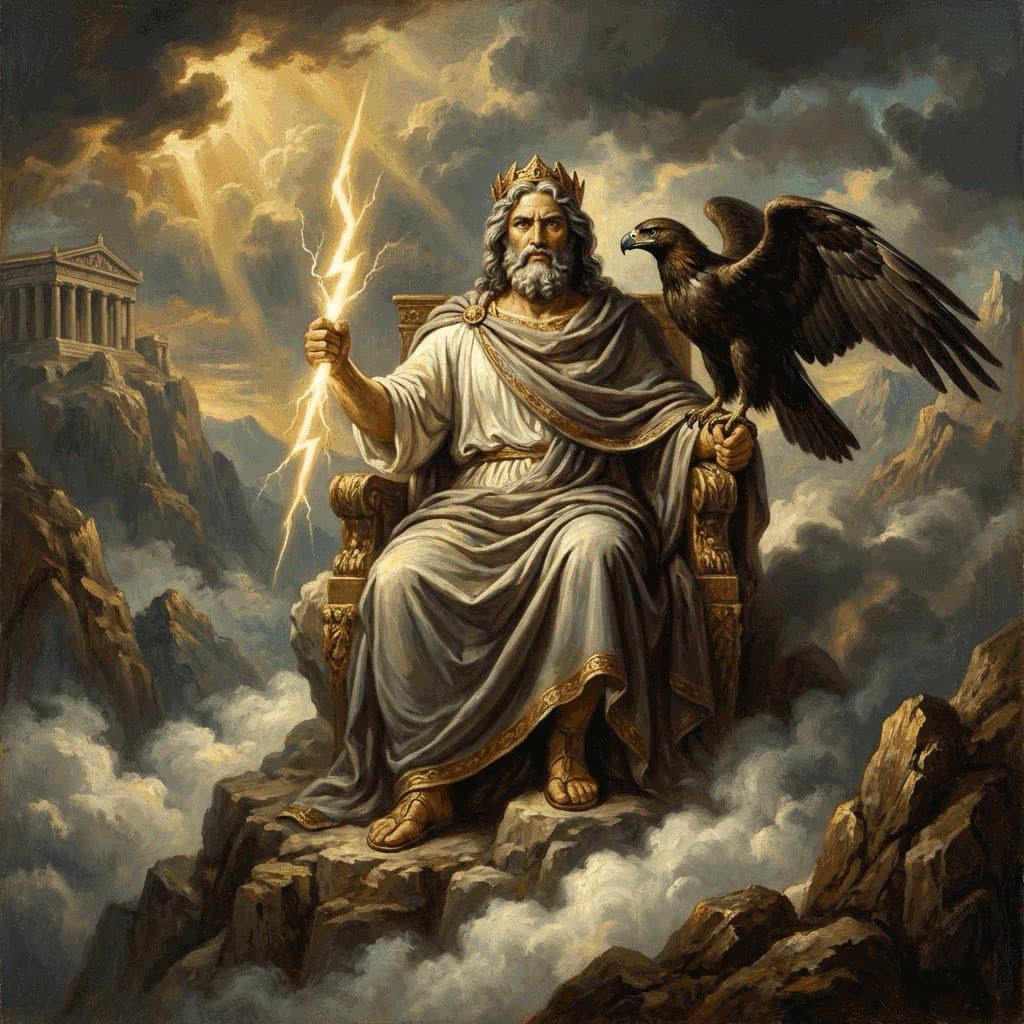
Symbolsspear Gungnir, ravens Huginn and Muninn, eight-legged horse Sleipnir, wolves Geri and Freki, one eyethunderbolt, eagle, oak tree, bull
Also calledAllfather, Woden, Wotan, The WandererJupiter, Jove

Where they meet

The atlas records no domain or symbol that Odin and Zeus share.

They are compared for the part each plays in their own tradition rather than for any attribute in common.

Where they part

Only Odin

Associated with wisdom, war, death, poetry, magic, and knowledge.

Only Zeus

Associated with sky, thunder, lightning, law, and order.

Why they are compared

Both are the chief god of their pantheon associated with sky, war, and supreme authority.

How each was worshipped

Odin

Cult sites
Temple at Uppsala (Adam of Bremen), with Thor and Freyr; No surviving named stave-church equivalent; mounds, trees, and halls
Festivals
Yule; Sacrifices for victory (sigurblót)

Hanged god, poetry, and the war-dead. Wednesday keeps his name. Uppsala tradition put him with Thor and Freyr. Spear, ravens, and the high seat are the cult signs; evidence is later and Christian-filtered, and should be read that way.

Zeus

Cult sites
Temple of Zeus at Olympia; Oracle of Zeus at Dodona; Nemean sanctuary
Festivals
Olympic Games; Diasia; Dipolieia

White bulls and the thunderbolt belong to him. Olympic contest was a sacrifice as much as a race. Dodona spoke through oak and doves. Civic oaths called Zeus Horkios; a perjurer feared the sky more than the court.

The two figures

Norse Pantheon

Odin

King of the Aesir and god of wisdom, war, and death. Odin sacrificed his eye at Mimir's well for wisdom and hung himself on Yggdrasil for nine days to learn the runes.

Odin is the son of the primordial beings Borr and Bestla. Along with his brothers Vili and Ve, he slew the giant Ymir and created the world from his body.

Odin is the chief of the Aesir, a relentless seeker of wisdom. He sacrificed his eye to Mimir's Well for knowledge and hung himself from Yggdrasil for nine nights to discover the runes.

Read the full Odin entry

Greek Pantheon

Zeus

King of the gods and ruler of Mount Olympus. God of the sky, thunder, and justice. Zeus overthrew his father Cronus to become the supreme deity of the Greek pantheon.

Zeus was the youngest son of the Titans Cronus and Rhea. Cronus, fearing a prophecy that he would be overthrown by his children, swallowed each child at birth. Rhea hid Zeus and gave Cronus a stone wrapped in swaddling clothes instead. Zeus was raised in secret and later forced Cronus to regurgitate his siblings, leading the rebellion against the Titans.

Zeus is the supreme ruler of the gods, the lord of the sky, and the wielder of the thunderbolt. His power is greater than that of all the other gods combined. He presides over the oaths of men and the laws of the universe, ensuring justice and order.

Read the full Zeus entry
About this comparison

Comparisons pair figures that play a similar role across traditions, or that the myths connect within one. A shared role does not, by itself, establish a shared origin.