Mythos Atlas

Side by sideParallel across traditions

Quetzalcoatl vs Viracocha

Quetzalcoatl
QuetzalcoatlAztec
Viracocha
ViracochaInca and Andean

Both are creator and culture-hero figures remembered as departing over the sea (Viracocha from the Ecuadorian coast in Betanzos, Quetzalcoatl eastward from Tollan), and in both cases colonial writers reshaped the departure into a prophecy of Spanish arrival. The comparison is typological; there is no evidence of contact between the two traditions.

At a glance

Quetzalcoatl and Viracocha compared
QuetzalcoatlViracocha
TraditionAztec PantheonInca and Andean Tradition
Domainswind, wisdom, learning, creation, priesthoodcreation, the ordering of peoples, civilization
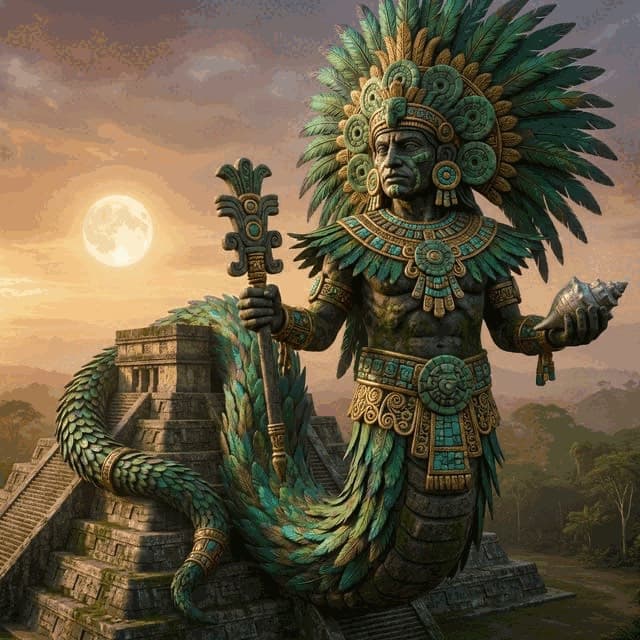
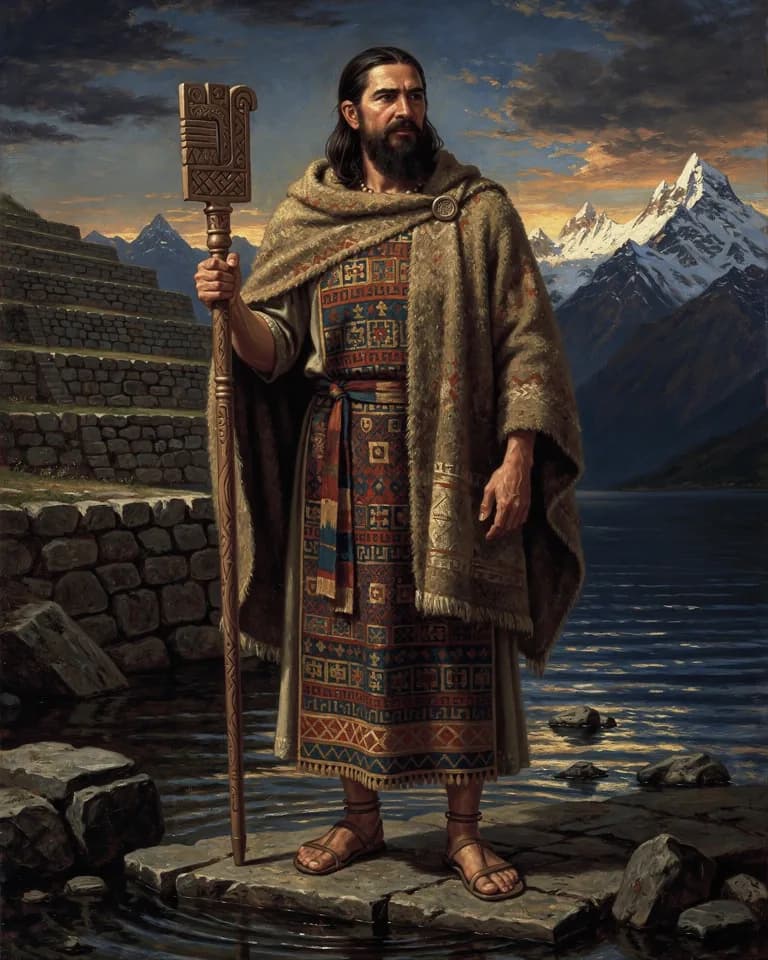
Symbolsfeathered serpent, conch shell, wind jewelLake Titicaca, a staff, stone figures of the first people
Also calledFeathered SerpentCon Tici Viracocha, Tici Viracocha, Pachayachachic, Wiraqucha

Where they meet

Both are associated with creation.

Where they part

Only Quetzalcoatl

Associated with wind, wisdom, learning, and priesthood.

Only Viracocha

Associated with the ordering of peoples and civilization.

How each was worshipped

Quetzalcoatl

Cult sites
Great Pyramid of Cholula; Round temples of Ehecatl-Quetzalcoatl
Festivals
Wind-god rites of Ehecatl; Cholula pilgrimages

Feathered serpent, wind, and priesthood. Cholula was his great house. Ehecatl's round temples cut the air. Some traditions oppose mass sacrifice in his name; others do not. Keep the contradiction; it is historical.

Viracocha

Cult sites
The temple at Cacha (the archaeological site of Raqchi, Cusco region), which Betanzos says the Incas built where Viracocha called down fire; its great central wall still stands.; In Cusco the Creator was honored in the state cult beside the Sun and Thunder; the Andean chronicler Juan de Santa Cruz Pachacuti Yamqui (c. 1613) drew an oval gold plate representing the Creator above the altar of the Coricancha.

Molina records Quechua prayers addressed to the Creator by Cusco priests and nobles, recited during the great state ceremonies rather than at a festival of Viracocha's own. No calendrical festival devoted solely to him is securely attested.

The two figures

Aztec Pantheon

Quetzalcoatl

The Feathered Serpent, a creator deity who contributed to the creation of mankind. Patron of priests and inventor of books and the calendar.

One of the four sons of the creator couple Ometeotl. He journeyed to Mictlan to retrieve the bones of the ancestors to create the current race of humans.

Quetzalcoatl stands as one of the most complex and revered deities in Mesoamerican religion, his worship spanning multiple civilizations over thousands of years. His name combines **quetzal** (the resplendent bird with iridescent green feathers) and **coatl** (serpent), embodying the union of earth and sky, matter and spirit.

Read the full Quetzalcoatl entry

Inca and Andean Tradition

Viracocha

The creator of the Inca state cult, who in Betanzos's account rises from Lake Titicaca, makes the sun, moon, and stars at Tiwanaku, shapes each nation from stone, and finally walks away across the western sea.

Viracocha is uncreated in the chronicles: he emerges from Lake Titicaca before there is light, and everything else, including the sun and moon, is his work.

The fullest early account is Juan de Betanzos's *Suma y narración de los Incas* (1551), which opens with Con Tici Viracocha emerging from Lake Titicaca into a world without light. He makes a first people who displease him and turns them to stone; he then goes to Tiwanaku, makes the sun, moon, and stars, and shapes the nations of the Andes in stone, painting on each its dress and giving it a language, before sending them underground to emerge from their own springs, caves, and hills. Cristóbal de Molina (c. 1575) and Pedro Sarmiento de Gamboa (1572) tell related versions; Sarmiento adds that the Creator destroyed an earlier world by a flood.

Read the full Viracocha entry
About this comparison

Comparisons pair figures that play a similar role across traditions, or that the myths connect within one. A shared role does not, by itself, establish a shared origin.