Mythos Atlas

Side by sideParallel across traditions

Thor vs Ukko

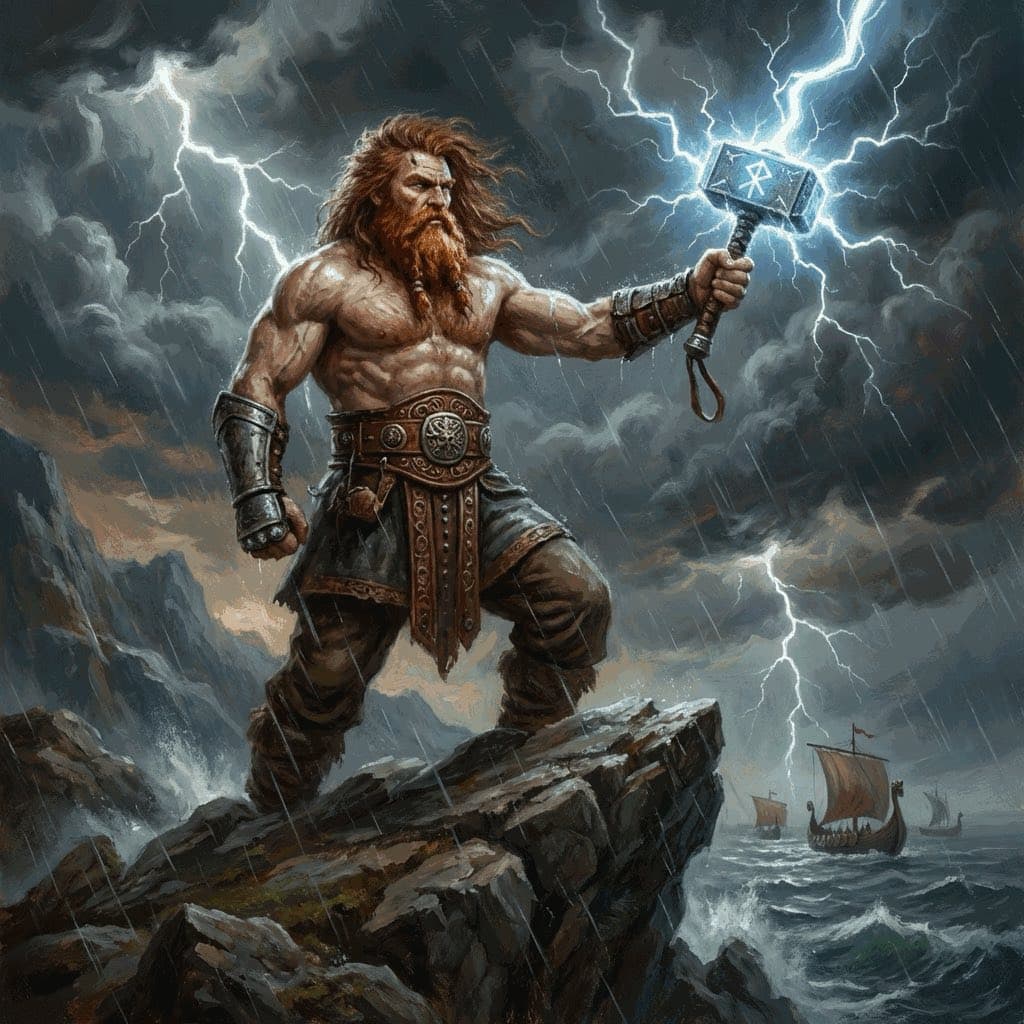
Thor
ThorNorse
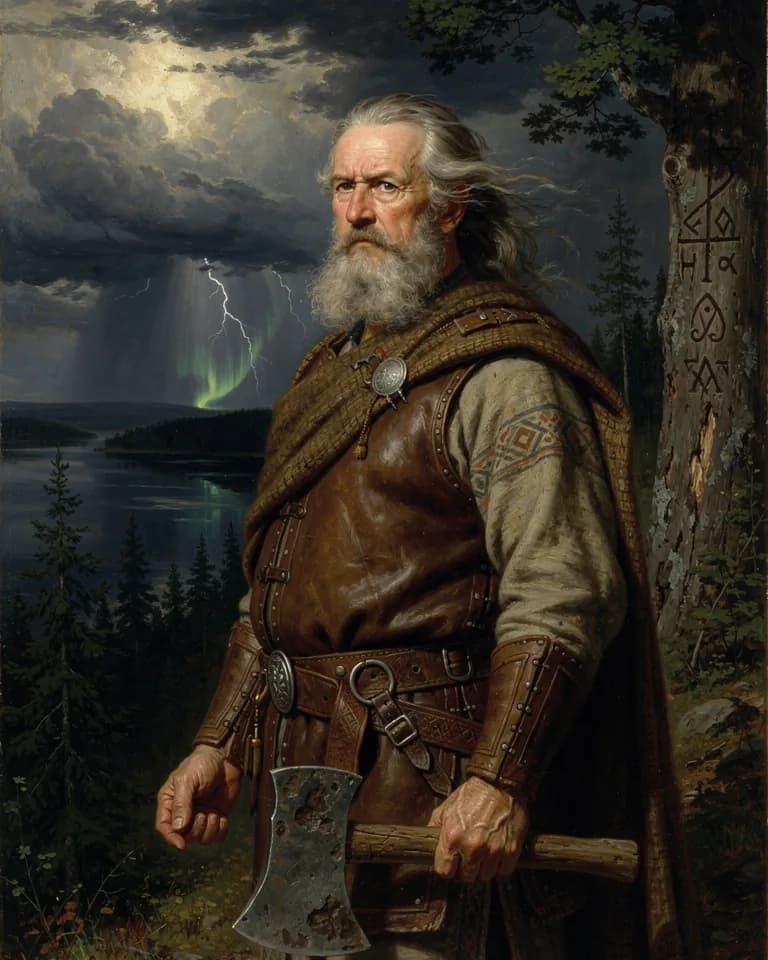
Ukko
UkkoFinnish Tradition (Kalevala)

Both are thunder gods associated with a hurled weapon and with farming and rain; Finnish 'torstai' (Thursday) is borrowed from the Scandinavian name of Thor's day, a sign of long contact.

At a glance

Thor and Ukko compared
ThorUkko
TraditionNorse PantheonFinnish Tradition (Kalevala)
Domainsthunder, lightning, strength, protection, stormsthe sky, thunder, rain, the harvest
Symbolshammer Mjolnir, belt Megingjord, iron gloves, goats, red beardthe thunderbolt, stone axes (ukonvaaja), Ukko's bowl
Also calledDonar, Thunder GodUkko ylijumala, Isäinen (the Father)

Where they meet

Both are associated with thunder.

Where they part

Only Thor

Associated with lightning, strength, protection, and storms.

Only Ukko

Associated with the sky, rain, and the harvest.

How each was worshipped

Thor

Cult sites
Uppsala temple beside Odin and Freyr; Wayside hammers and holy oaks more than a single great fane
Festivals
Thursday observances; Hammer-blessings of marriages and land

The most popular of the North's gods in the settlement period. Miniature hammers, Thursday, and oak. He fights giants and blesses the farm. Adam puts him in the high seat at Uppsala; farmers put him over the door.

Ukko

Festivals
Ukko's feast at the spring sowing, when 'Ukko's bowl' was drunk, as condemned by Agricola in 1551.

Prayers and charms for rain and against thunder and hail; stone axes found in the fields were kept as thunderbolts and used in folk healing and protection.

The two figures

Norse Pantheon

Thor

Son of Odin and the earth goddess Jord. God of thunder, lightning, and storms. Protector of mankind and the gods, wielding the mighty hammer Mjolnir.

Thor was born to Odin, the Allfather, and Jord, the personification of the earth itself. This union of sky and earth made Thor one of the mightiest beings in existence. From birth, he displayed incredible strength - as an infant, he could lift ten loads of bearskins. He grew quickly into the powerful protector of both gods and mortals. He married Sif, the golden-haired goddess, and with her had a daughter named Thrud. With the giantess Jarnsaxa, he fathered Magni and Modi, who will inherit Mjolnir after Ragnarok.

Thor is the defender of Asgard and Midgard, wielding the mighty hammer **Mjolnir**. Unlike the cunning Odin, Thor is straightforward, strong, and short-tempered, but fiercely loyal.

Read the full Thor entry

Finnish Tradition (Kalevala)

Ukko

The sky and thunder god of Finnish and Karelian tradition, 'highest god' of the runo-songs, whose feast at the spring sowing Agricola condemned in 1551 and whom the Kalevala's heroes and Ilmatar call on in need.

No birth or origin is told; Ukko is the old man of the sky, above all.

Mikael Agricola's list of 1551 includes Ukko, and describes a spring rite: when the sowing was done, Ukko's bowl (*Ukon malja*) was drunk, and Agricola complains of the drunkenness and shameful conduct that went with it. Folk poetry calls him *ylijumala*, the highest god, and addresses him in charms and prayers for rain and against storms; a thunderstorm is still *ukonilma*, 'Ukko's weather', in Finnish. Neolithic stone axes turned up by the plough were called *ukonvaaja* or *ukonkirves*, 'Ukko's wedge' or 'axe', and were believed to be thunderbolts he had hurled.

Read the full Ukko entry
About this comparison

Comparisons pair figures that play a similar role across traditions, or that the myths connect within one. A shared role does not, by itself, establish a shared origin.