Mythos Atlas

Side by sideParallel across traditions

Yama vs Yima

Yama
YamaHindu
Yima
YimaPersian (Iranian)

Yima and the Vedic Yama are the same Indo-Iranian figure: both are sons of Vivahvant/Vivasvant and both names mean 'twin'. The traditions diverged, making Yama lord of the dead and Yima the king of a vanished golden age.

At a glance

Yama and Yima compared
YamaYima
TraditionHindu PantheonPersian (Iranian) Tradition
Domainsdeath, the afterlife, dharma, judgment of soulskingship, the golden age, preservation of life
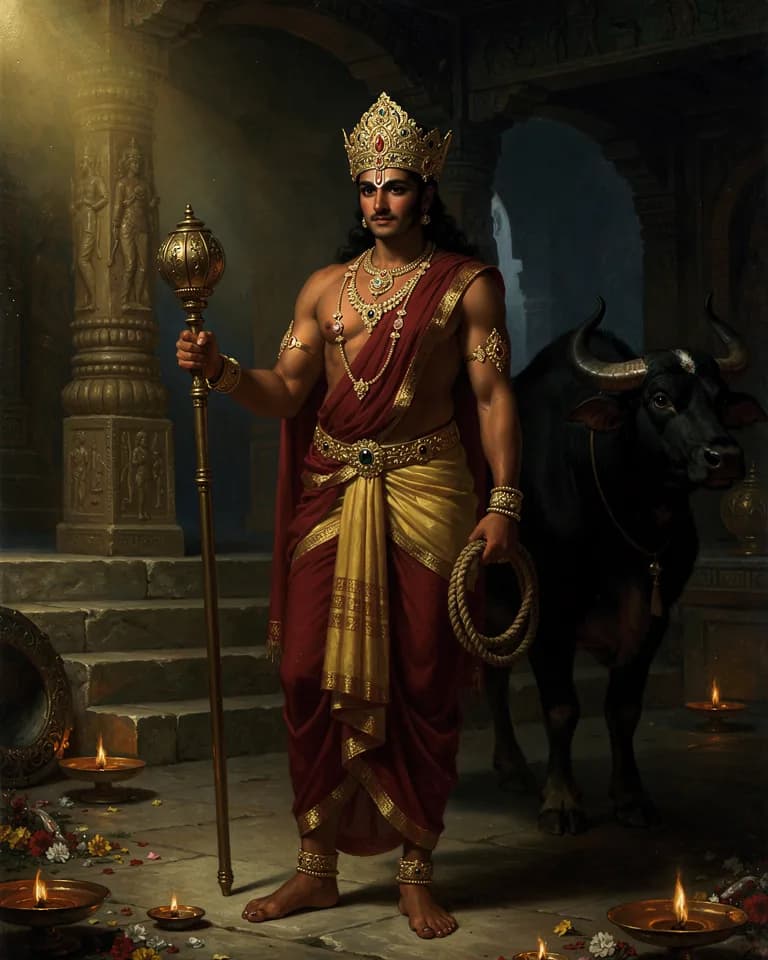
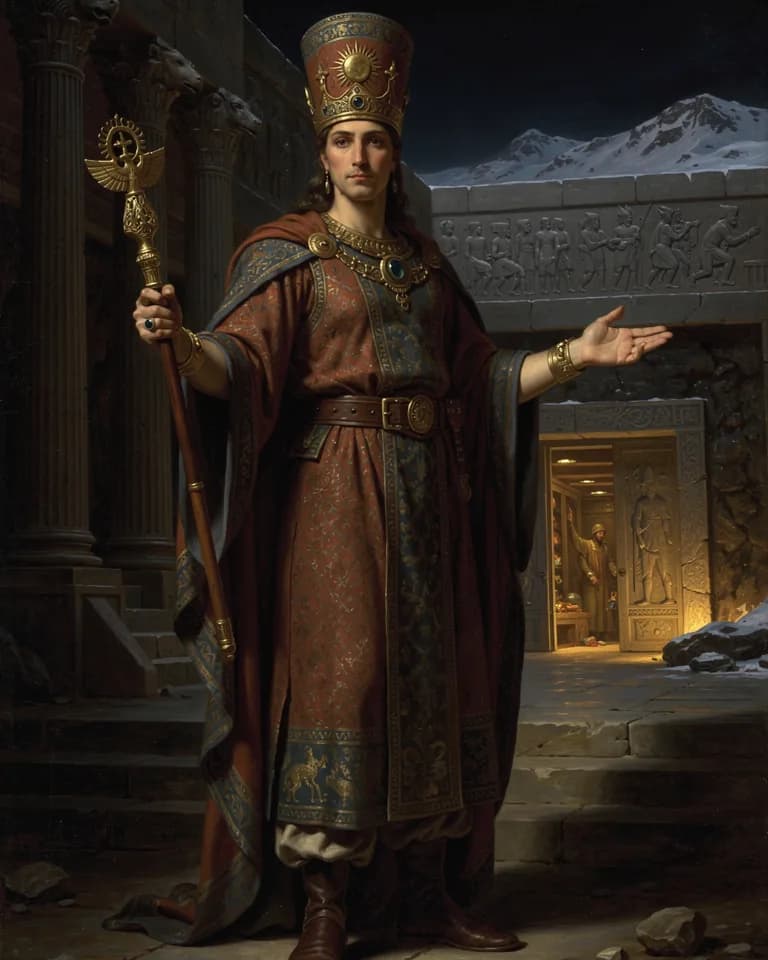
Symbolsthe noose (pasha), the mace, the buffalo mounta golden seal and a gold-inlaid dagger, the Var enclosure, the world-revealing cup (later tradition)
Also calledDharmaraja, Yamaraja, KalaJamshid, Jam, Yima Khshaeta

Where they meet

The atlas records no domain or symbol that Yama and Yima share.

They are compared for the part each plays in their own tradition rather than for any attribute in common.

Where they part

Only Yama

Associated with death, the afterlife, dharma, and judgment of souls.

Only Yima

Associated with kingship, the golden age, and preservation of life.

How each was worshipped

Yama

Cult sites
Few dedicated major temples; Yama is more commonly honored through ritual and festival than through standing shrines
Festivals
Yama Dwitiya / Bhai Dooj, when sisters pray for their brothers' long life, honoring the Yama-Yami relationship; Naraka Chaturdashi, the eve of Diwali, associated with warding off Yama's messengers

Yama is invoked chiefly around themes of mortality and sibling bonds rather than through a major independent temple cult: Bhai Dooj directly commemorates the Yama-Yami relationship, and lamps are lit on Naraka Chaturdashi to ward off untimely death.

Yima

Festivals
Nowruz, the Iranian new year, which the Shahnameh traces to the day Jamshid's throne was raised into the sky.

Remembered rather than worshipped: Yima is honored in Zoroastrian tradition as the righteous first king who lost his glory through a lie, and Jamshid is a figure of Nowruz lore.

The two figures

Hindu Pantheon

Yama

God of death and, in later tradition, the formal judge of the dead. The Rigveda names Yama as the first mortal to die, who found the path to the afterlife that all who follow him must travel; later texts make him ruler of Yamaloka and keeper of cosmic and moral order.

Yama, twin brother of Yami and son of the sun god Vivasvat, was the first mortal to die, and in dying he discovered the path to the afterlife. Later tradition made him the formal ruler of Yamaloka and judge of the dead, weighing each soul's deeds against dharma.

In the Rigveda, Yama is described as the first mortal to die, and in doing so, he discovered the path to the world of the dead that all mortals afterward must follow. He is the twin brother of Yami, and the Rigveda preserves a striking dialogue hymn between them in which Yami urges Yama toward union to continue humankind, which Yama refuses on grounds of the impropriety of union between twins — one of the earliest surviving explorations of incest taboo in Indian literature.

Read the full Yama entry

Persian (Iranian) Tradition

Yima

The first king, son of Vivahvant, under whose rule there was neither cold nor heat, age nor death; in the Vendidad he builds an enclosure to preserve life from devastating winters, and in the Shahnameh, as Jamshid, he loses the royal Glory through pride.

Son of Vivanghat (Vivahvant), the first mortal with whom Ahura Mazda conversed before Zarathushtra (Vendidad 2.2).

In the Vendidad (Fargard 2), Ahura Mazda first asks Yima, son of Vivanghat, to be the bearer of his religion; Yima declines but agrees to rule and protect the world, promising that under him there will be neither cold wind nor hot wind, disease nor death. Given a golden seal and a gold-inlaid dagger, he enlarges the earth three times as it fills with people and animals, calling on Spenta Armaiti to stretch wider. Warned of terrible winters to come, he builds the Var, an enclosure in which the best of every kind of person, animal, plant, and fire is preserved.

Read the full Yima entry
About this comparison

Comparisons pair figures that play a similar role across traditions, or that the myths connect within one. A shared role does not, by itself, establish a shared origin.