Source recordAncient text
Iliad
Homer · c. 750 BCE · Ancient Greek
Ancient text
Iliad
Homer
The foundational epic of Greek literature, depicting the wrath of Achilles during the final year of the Trojan War. Primary source for Greek gods' involvement in mortal affairs.
About this work
The foundational epic of Greek literature, depicting the wrath of Achilles during the final year of the Trojan War. Primary source for Greek gods' involvement in mortal affairs.
Where to start
Start with Robert Fagles's 1990 translation for a vivid, propulsive verse rendering, or Emily Wilson's 2023 translation for the newest scholarly-accessible option.
Figures in the text
Heroes and divinities who feature prominently, with where they appear.
Heroes and mortals
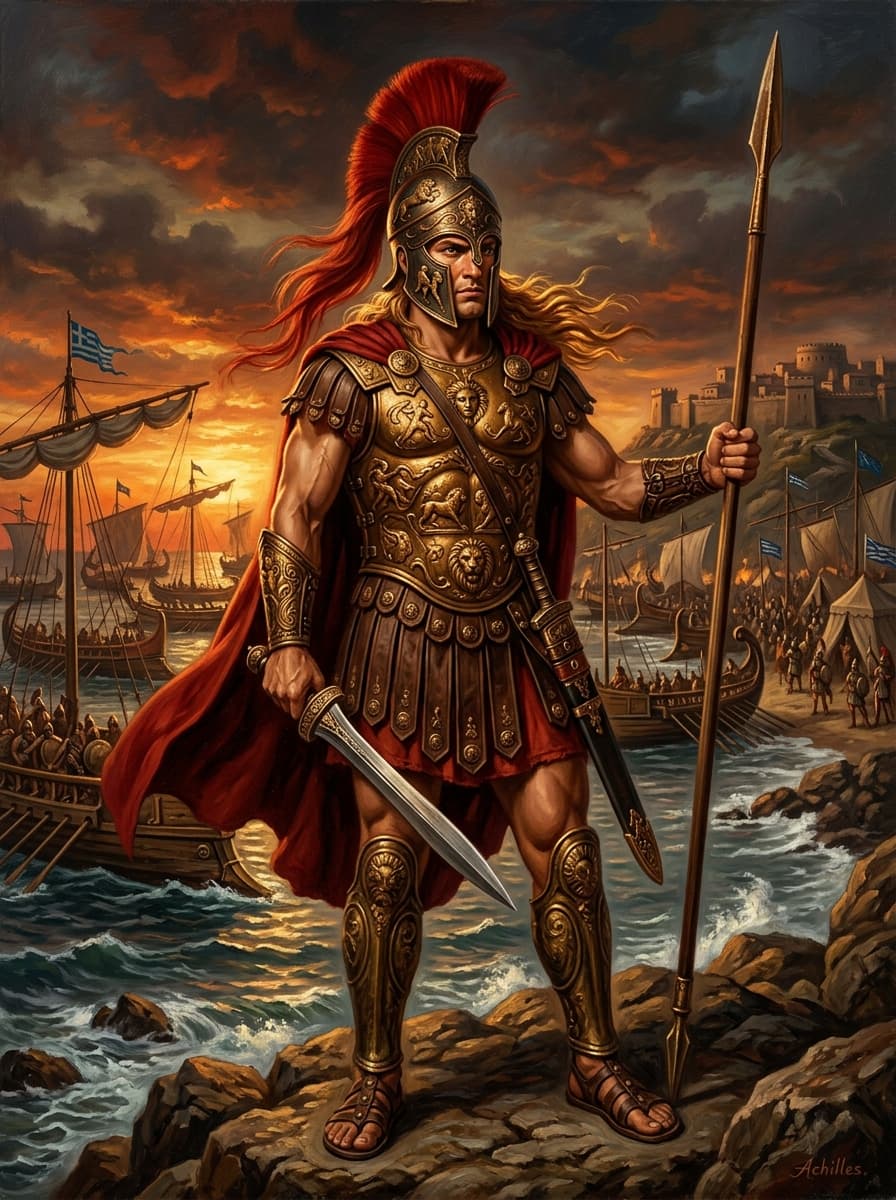 AchillesBooks 1-24protagonist
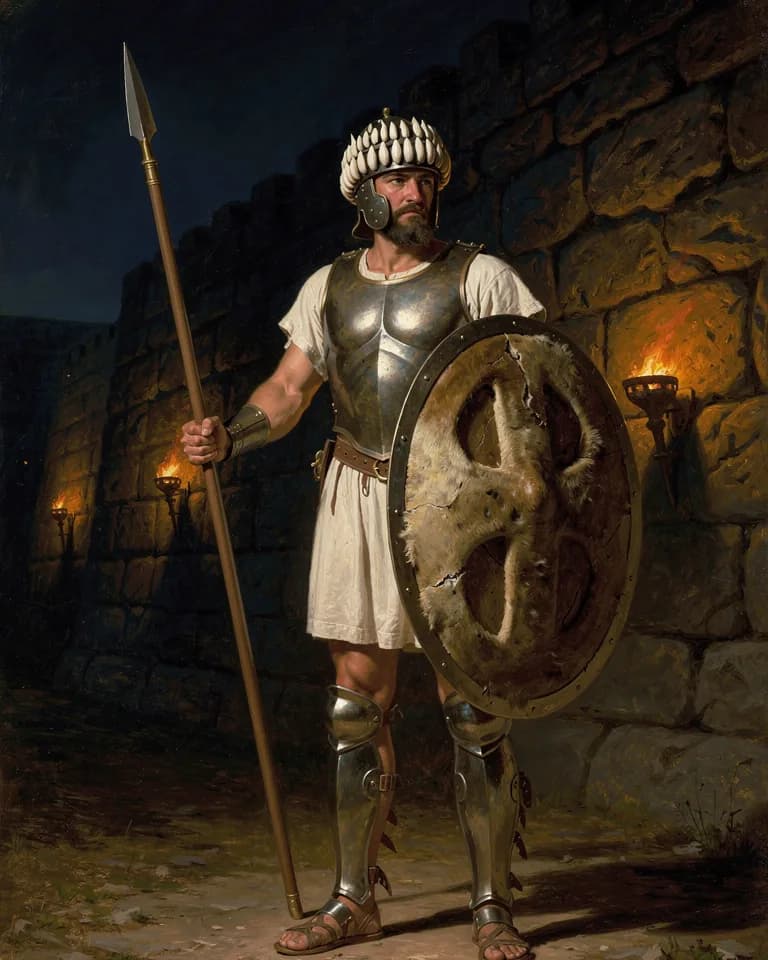 HectorBooks 1-24, killed Book 22Troy's chief defender, killed by Achilles
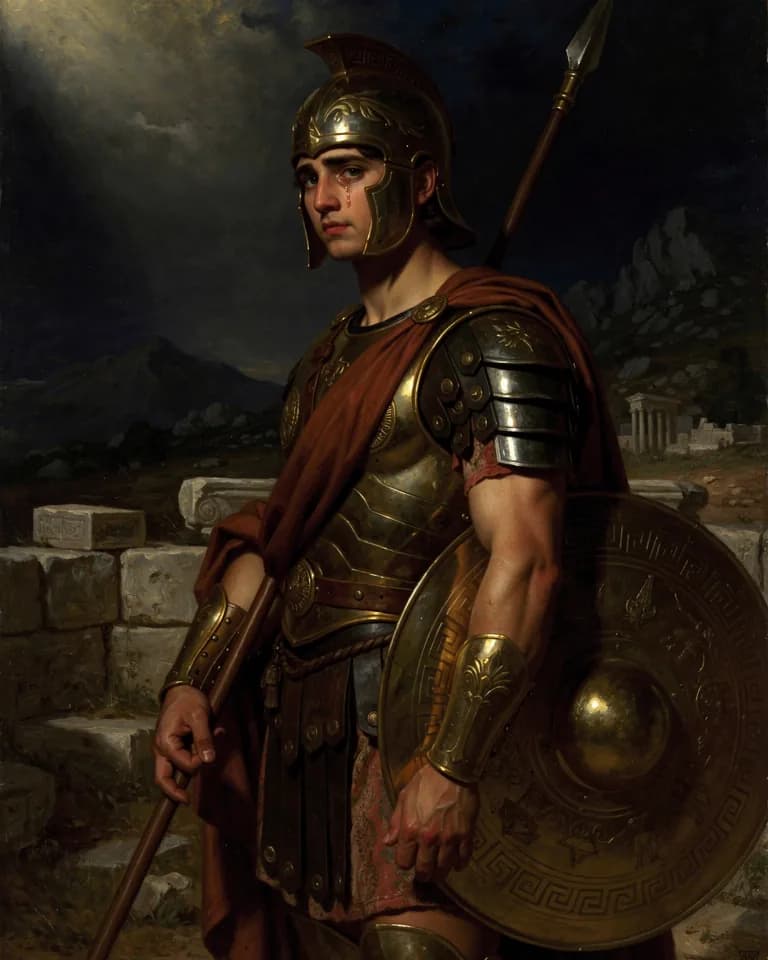 PatroclusBook 16Achilles' companion, killed by Hector
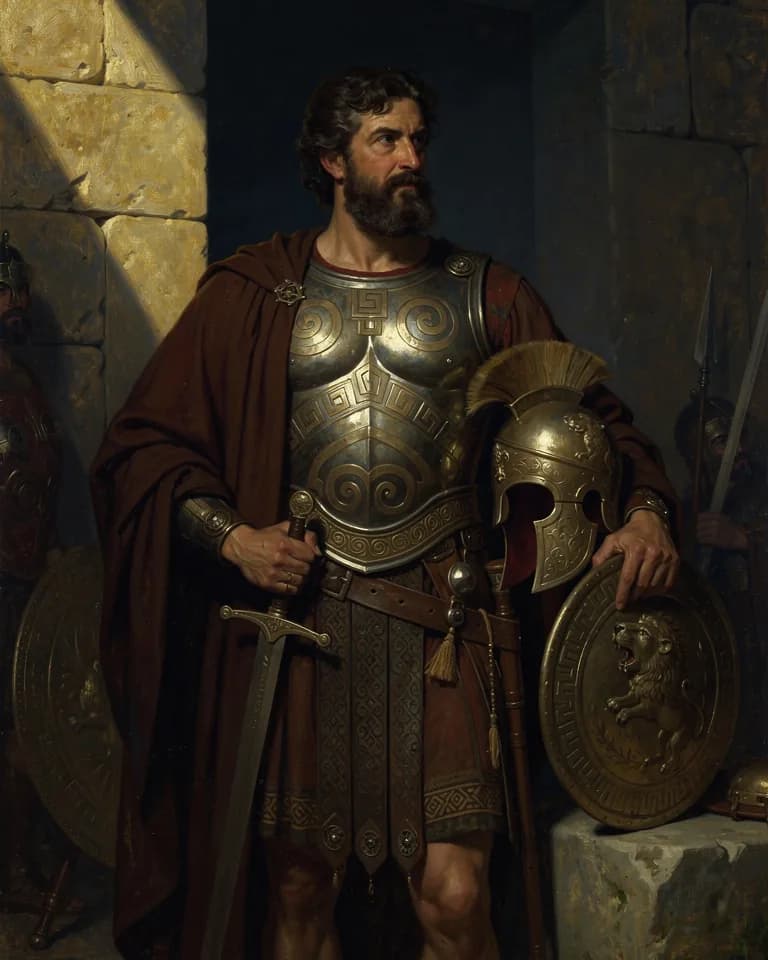 AgamemnonBooks 1-24commander of the Greek forces
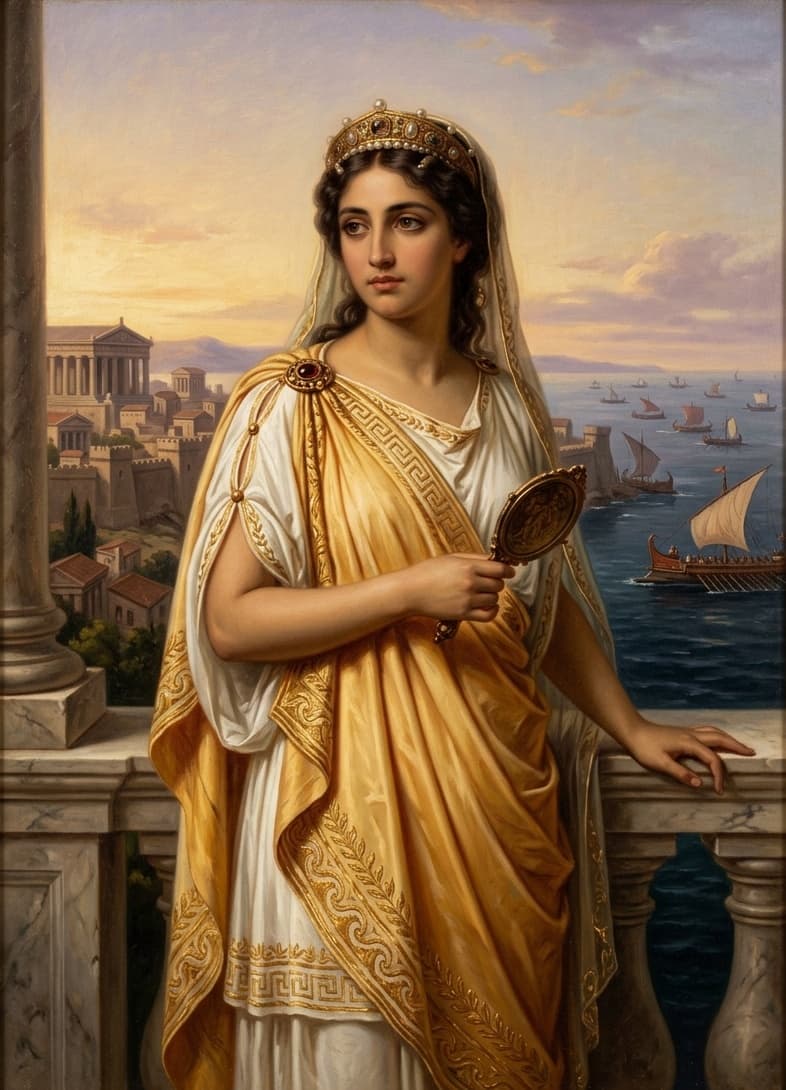 HelenBook 3watches the war from Troy's walls
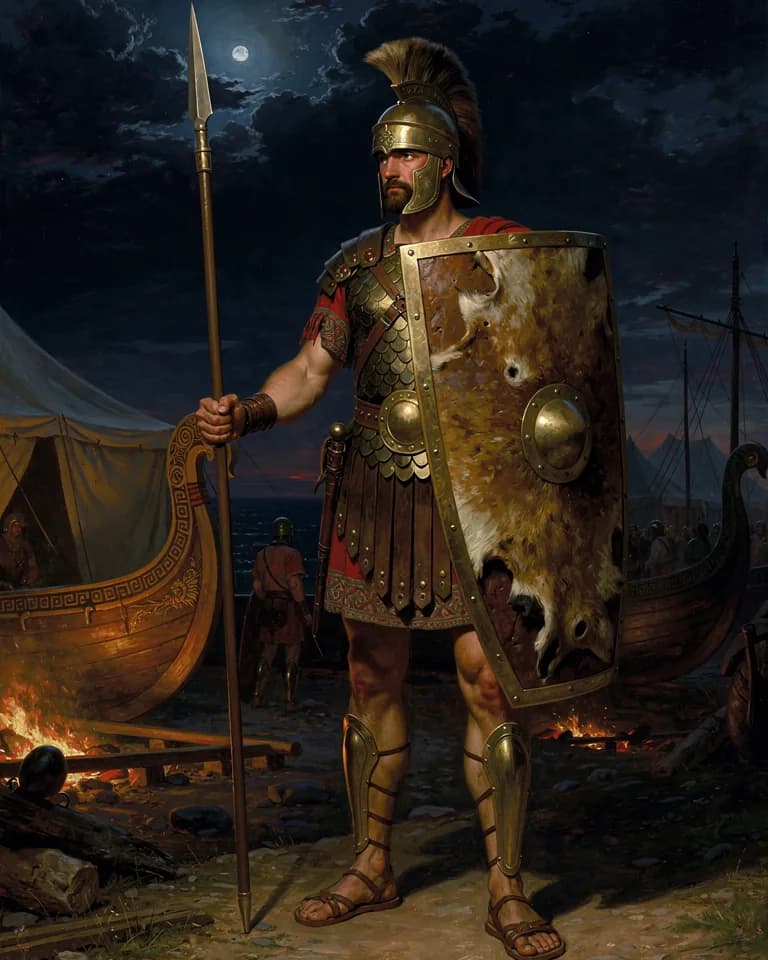 AjaxBooks 1-24second-mightiest Greek warrior
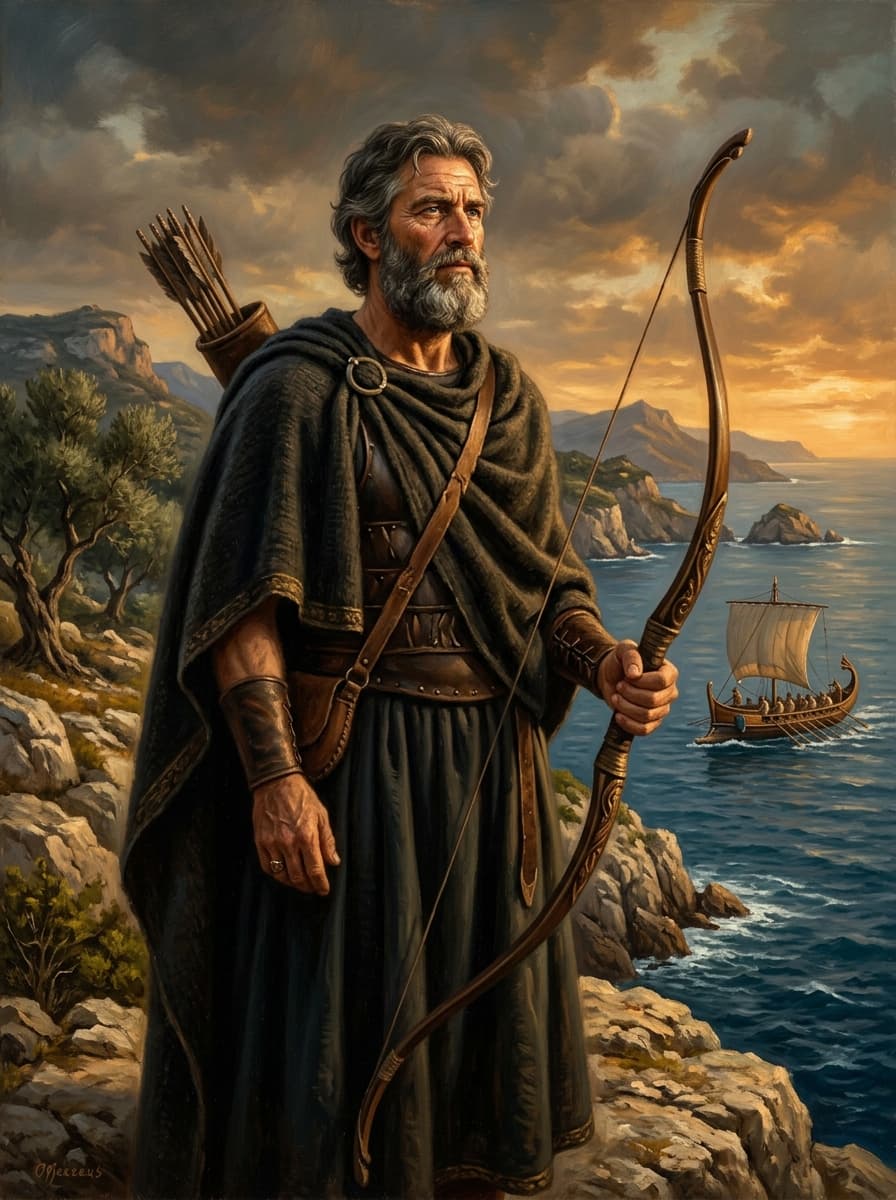 OdysseusBooks 1-24strategist among the Greek leaders
Key scenes
Turning points of the work, in reading order.
The Wrath of Achilles
Agamemnon's seizure of Briseis drives Achilles to withdraw from battle, dooming the Greeks to Trojan advances.
Hector and Ajax's Duel
Hector and Ajax fight to an inconclusive draw and part with an exchange of gifts.
The Death of Patroclus
Wearing Achilles' armor, Patroclus routs the Trojans before Hector kills him.
The Death of Hector
Achilles kills Hector in single combat outside the walls of Troy and drags his body behind his chariot.
Priam Ransoms Hector's Body
King Priam comes to Achilles' tent by night to beg for his son's body, and Achilles relents.
Passages
Direct quotations are distinguished from editorial paraphrases and records awaiting verification.
“The wrath sing, goddess, of Peleus' son, Achilles, that destructive wrath which brought countless woes upon the Achaeans,”
Homer, Iliad · 1.1–2
Translation: A. T. Murray
The Iliad with an English Translation, A. T. Murray (1924), public-domain web transcription; English-only replacement of prior unverified wording. Exact source capitalization and terminal comma retained from the cited Book 1 line, which identifies the A. T. Murray translation. Greek text was not retained or certified. English transcription checked 2026-09-23.
Read source“Father of us all, thou son of Cronos, high above all lords, well know we of ourselves that thy might is unyielding,”
Homer, Iliad · 8.31–32; opening clause of Athena’s reply
Translation: A. T. Murray
1924; Theoi transcription. Terminal comma retained. English transcription checked 2026-09-23. Replaces prior unverified wording; no original-language text is supplied or certified.
Read source“Forthwith then he went down from the rugged mount, striding forth with swift footsteps, and the high mountains trembled and the woodland beneath the immortal feet of Poseidon as he went.”
Homer, Iliad · 13.17–19
Translation: A. T. Murray
1924; Theoi transcription. English transcription checked 2026-09-23. Replaces prior unverified wording; no original-language text is supplied or certified.
Read sourceStories drawn from it
Retellings in the atlas that quote or cite this work.
About this record
By Elizabeth Stein for Mythos Atlas. About the author. Editorial notes are grounded in the site's cited sources and can be challenged through the contact page.
Dates and authorship follow standard scholarly references; for many ancient works both are approximate or disputed.