Mythos Atlas

Side by sideParallel across traditions

Ahti vs Njord

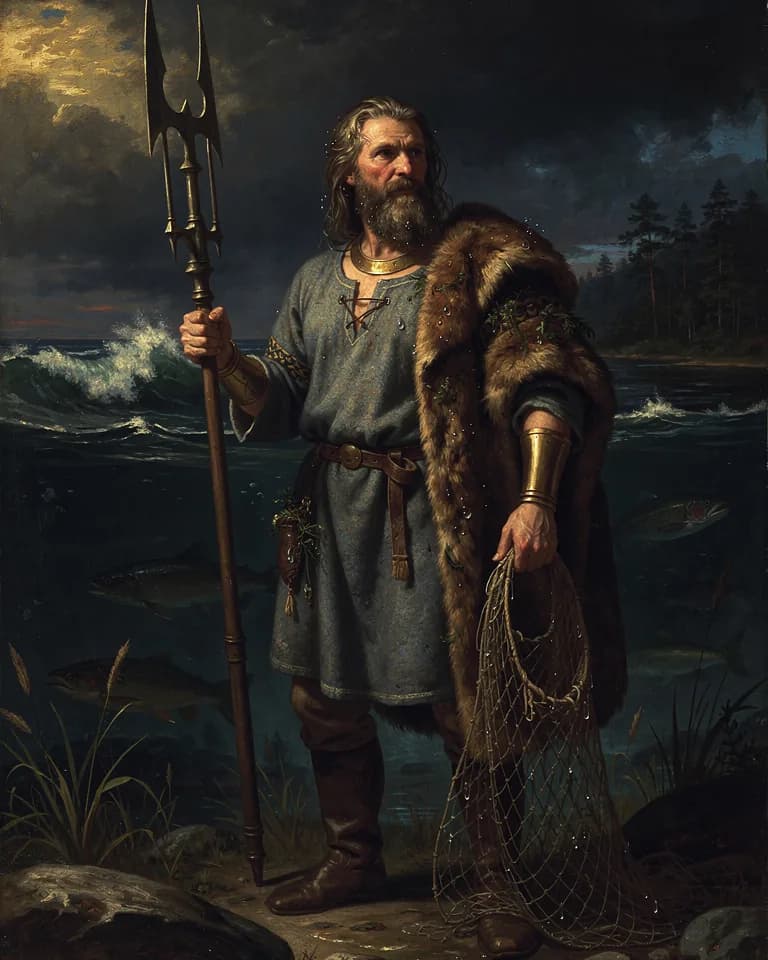
Ahti
AhtiFinnish Tradition (Kalevala)
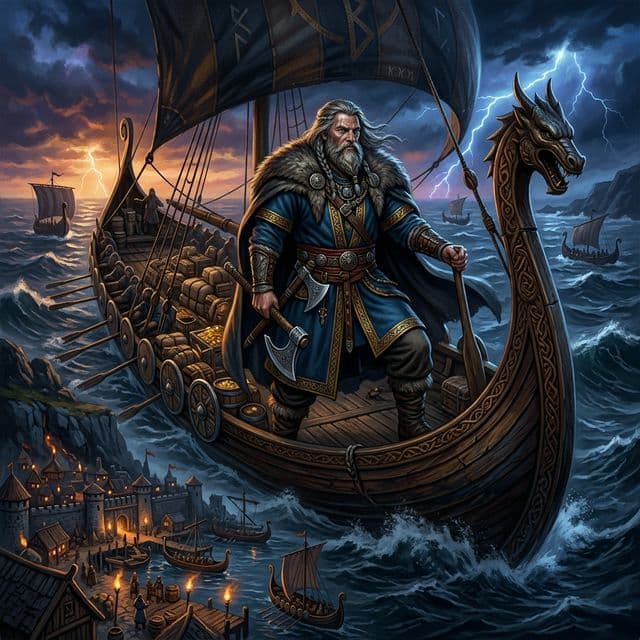
Njord
NjordNorse

Both are gods of the sea and its bounty invoked by fishermen; the comparison is typological.

At a glance

Ahti and Njord compared
AhtiNjord
TraditionFinnish Tradition (Kalevala)Norse Pantheon
Domainsthe sea and waters, fish and fishingsea, wealth, prosperity, seafaring, trade
Symbolsthe waves, a beard of grass, fishship, sea, wind, harbor
Also calledAhto, Allon kuningas (King of the Waves)Njordr, Njörðr

Where they meet

The atlas records no domain or symbol that Ahti and Njord share.

They are compared for the part each plays in their own tradition rather than for any attribute in common.

Where they part

Only Ahti

Associated with the sea and waters and fish and fishing.

Only Njord

Associated with sea, wealth, prosperity, seafaring, and trade.

How each was worshipped

Ahti

Fishermen's prayers and charms for a good catch; offerings of the first fish or of small gifts to the water.

Njord

Cult sites
No named temple survives in the sources; later tradition places his cult in coastal Norway and Sweden, especially among people who lived by ships and trade.; The Ynglinga saga makes him a king at Noatun after the Aesir-Vanir peace, which is a way of saying his house was a harbor.
Festivals
Seafaring offerings; Harvest and plenty (Vanir cult)

Njord is asked for wind, wealth, and a safe voyage. Snorri says he rules the motion of wind and sea and the gifts of land and livestock. Evidence for a fixed festival calendar is thin; what we have is a sea god of plenty, not a temple inventory.

The two figures

Finnish Tradition (Kalevala)

Ahti

The god of waters and fish, named by Agricola in 1551 as the one who brought fish from the water, called king of the waves in the runo-songs, husband of Vellamo and lord of the underwater realm of Ahtola.

No origin is told.

Agricola's list of 1551 says that Ahti brought fish from the waters. Folk poetry calls him *Ahto*, king of the waves, with a beard of grass, ruling Ahtola, a rich realm beneath the water, with his wife Vellamo. Fishermen asked him for a good catch and took care not to offend him.

Read the full Ahti entry

Norse Pantheon

Njord

Vanir god of the sea, seafaring wealth, trade, and calm waters. Father of Freyja and Freyr.

Njord is one of the Vanir, the divine clan associated with prosperity, fertility, and the wealth that comes from land and sea. After the Aesir-Vanir War, he came to live among the Aesir as part of the hostage exchange that secured peace between the two groups of gods. In later Norse tradition he is remembered as a patron of sailors, merchants, fishermen, and all who rely on favorable winds and safe coasts.

Njord belongs to the Vanir, the gods of wealth, harbor weather, and the kind of luck that arrives with a full hold. After the Aesir-Vanir war he was sent to Asgard as a hostage, together with his children Freyja and Freyr, to keep the peace. The arrangement stuck: he lives among the Aesir at **Noatun**, the enclosure of ships, but his cult still smells of salt and trade rather than of Odin's hall.

Read the full Njord entry
About this comparison

Comparisons pair figures that play a similar role across traditions, or that the myths connect within one. A shared role does not, by itself, establish a shared origin.