Mythos Atlas

Side by sideParent and child

Dangun vs Ungnyeo

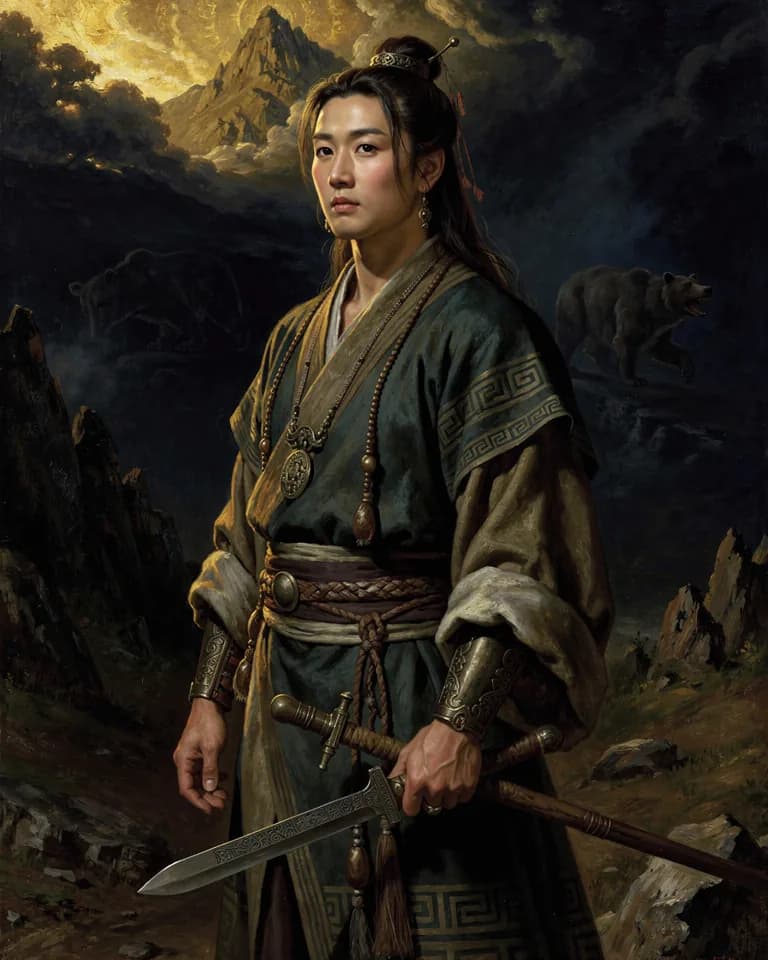
Dangun
DangunKorean
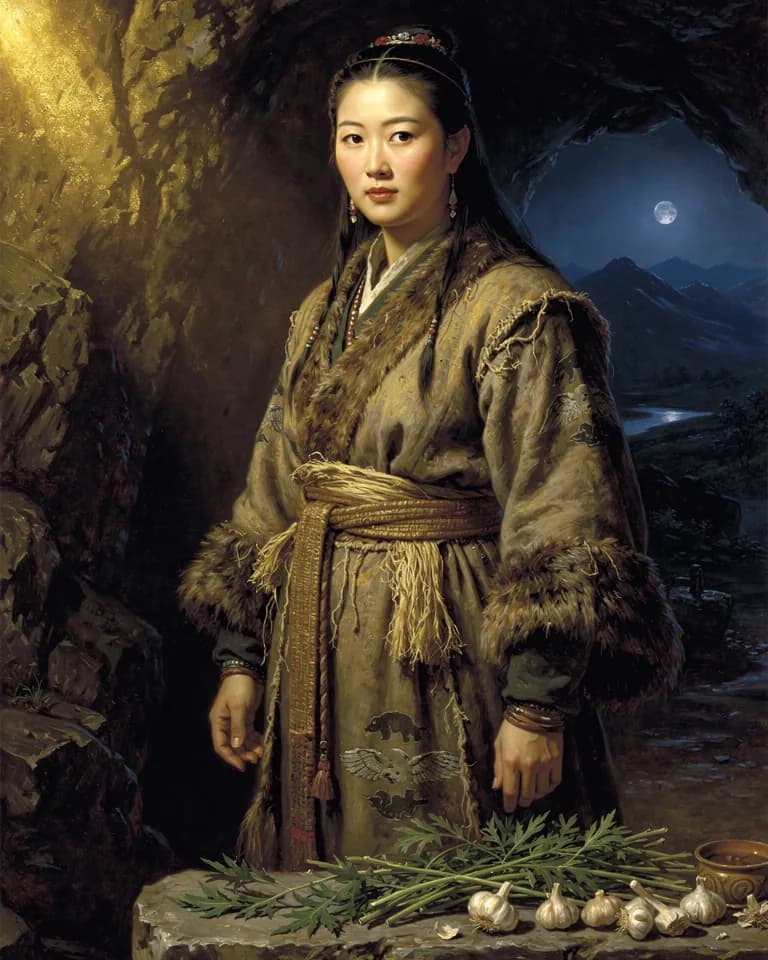
Ungnyeo
UngnyeoKorean

Dangun and Ungnyeo are recorded as parent and child in the Korean Tradition.

At a glance

Dangun and Ungnyeo compared
DangunUngnyeo
TraditionKorean TraditionKorean Tradition
Domainsthe founding of Joseon, the Korean people, the mountains (as mountain god)endurance, motherhood, transformation
Symbolsthe altar tree, Mount Asadal, the altar of Chamseongdanthe bear, mugwort and garlic, the cave
Also calledDangun Wanggeom, TangunThe Bear Woman

Where they meet

The atlas records no domain or symbol that Dangun and Ungnyeo share.

They are compared because of how the myths connect them, not because of what they rule.

Where they part

Only Dangun

Associated with the founding of joseon, the korean people, and the mountains (as mountain god).

Only Ungnyeo

Associated with endurance, motherhood, and transformation.

How each was worshipped

Dangun

Cult sites
Chamseongdan, the stone altar on Mount Mani, Ganghwa Island, traditionally said to have been built by Dangun for sacrifices to heaven.; Samseongsa shrine at Guwol-san and other historic Dangun shrines; the modern Mausoleum of Dangun near Pyongyang (North Korea, 1994).
Festivals
National Foundation Day (Gaecheonjeol, 3 October) in South Korea, with a heaven rite at Chamseongdan.

Rites to Dangun as national ancestor were held by Joseon kings and revived by Daejonggyo in the twentieth century; the torch of the Korean National Sports Festival is lit at Chamseongdan.

Ungnyeo

Honored as the ancestral mother of the Korean people in modern Dangun-centered traditions; no separate historical cult of Ungnyeo is documented.

The two figures

Korean Tradition

Dangun

The son of the heavenly Hwanung and the bear-woman Ungnyeo, who in the Samguk Yusa founds the kingdom of Joseon (Gojoseon), rules for fifteen hundred years, and at last becomes a mountain god; honored as the founding ancestor of the Korean people.

Son of Hwanung, the son of the Lord of Heaven, and Ungnyeo, the bear who became a woman (Samguk Yusa, Book 1).

Iryeon's *Samguk Yusa* gives two accounts. From a Chinese 'Book of Wei' it quotes that two thousand years earlier Dangun Wanggeom set his capital at Asadal and founded a state called Joseon, in the time of the sage-emperor Yao. From the Korean 'Old Record' it tells the full myth: born of Hwanung and Ungnyeo, Dangun made his capital at Pyongyang in the fiftieth year of Yao, called his state Joseon, later moved to Asadal on Mount Baegak, and ruled for fifteen hundred years. When the Zhou king enfeoffed Gija in Joseon, Dangun moved away, returned to Asadal, and became a mountain god, having lived 1,908 years. Iryeon himself notes that the traditional year does not match Yao's reign.

Read the full Dangun entry

Korean Tradition

Ungnyeo

The bear who, with a tiger, begs Hwanung to become human, endures twenty-one days in darkness eating only mugwort and garlic, becomes a woman, and by Hwanung bears Dangun, founder of the first Korean kingdom.

A bear living in a cave with a tiger, transformed into a woman through Hwanung's instructions (Samguk Yusa, Book 1).

In the Dangun myth of the *Samguk Yusa*, a bear and a tiger living together in a cave pray constantly to Hwanung to become human. He gives them a bundle of sacred mugwort and twenty cloves of garlic and tells them to avoid the sunlight for a hundred days. Both eat and withdraw; the bear keeps the taboo, and after three times seven days (twenty-one days) she obtains a woman's body. The tiger cannot keep it and remains a tiger.

Read the full Ungnyeo entry
About this comparison

Comparisons pair figures that play a similar role across traditions, or that the myths connect within one. A shared role does not, by itself, establish a shared origin.