Mythos Atlas

Side by sideParallel across traditions

Dumuzi vs Telipinu

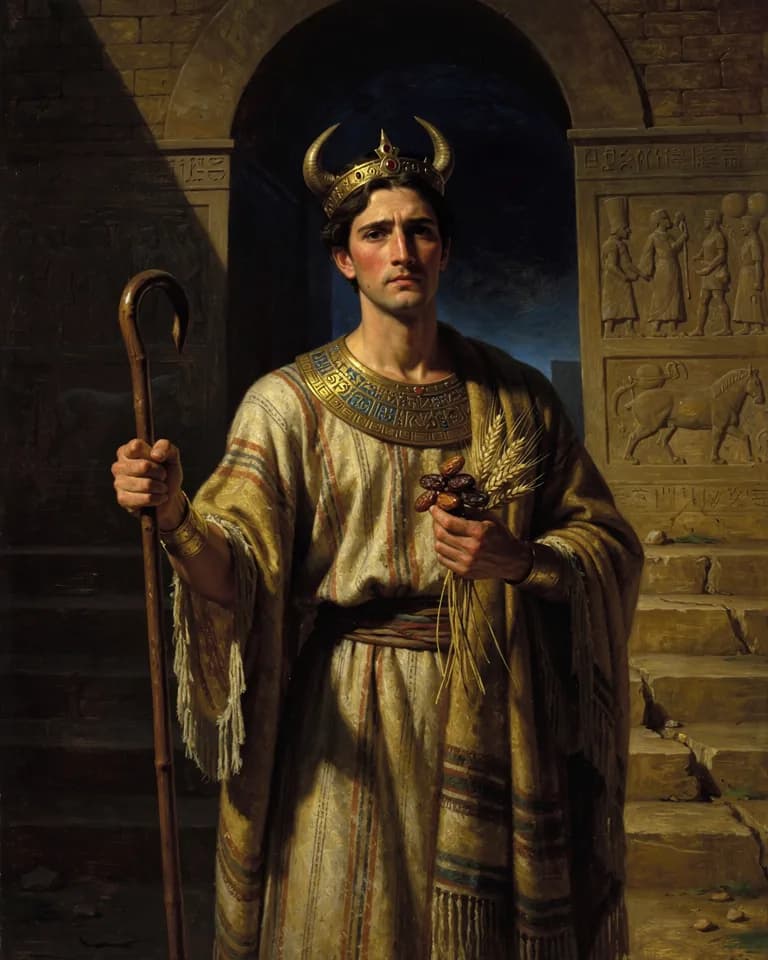
Dumuzi
DumuziMesopotamian
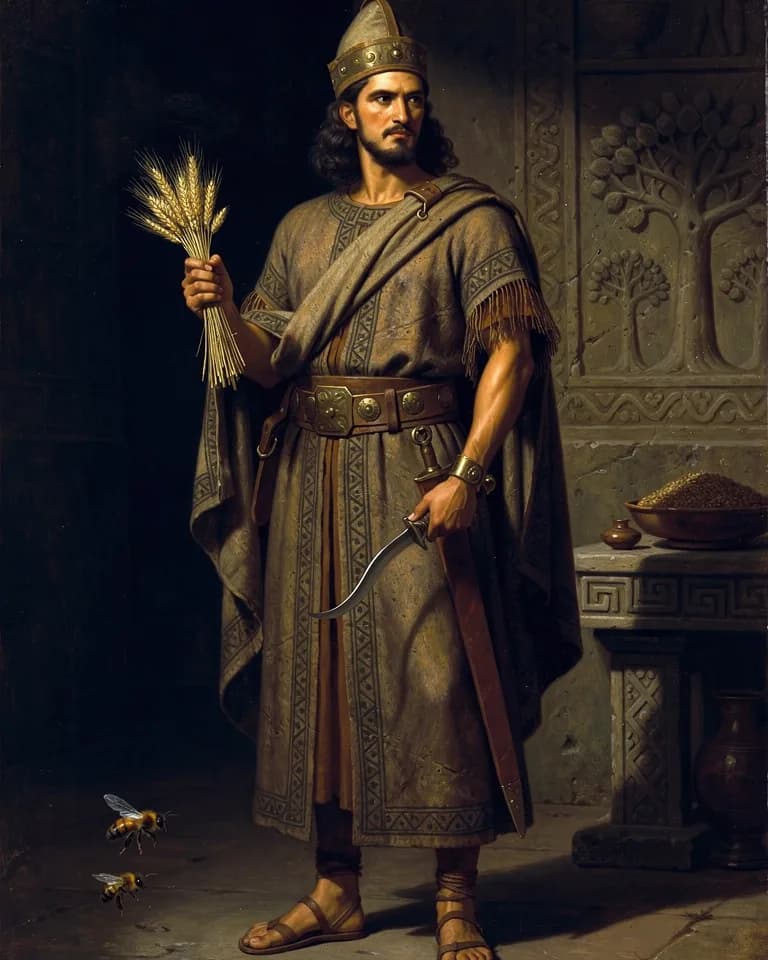
Telipinu
TelipinuHittite

Both belong to the Near Eastern family of 'disappearing god' myths tied to the agricultural year, though Dumuzi's absence is a death in the underworld and Telipinu's is an angry departure.

At a glance

Dumuzi and Telipinu compared
DumuziTelipinu
TraditionMesopotamian PantheonHittite Pantheon
Domainsshepherds, fertility of flocks, the dying-and-returning agricultural cycleagriculture, the growth of crops, fertility of herds
Symbolsthe shepherd's crook, flocks of sheepthe eya tree, the kurša hunting bag, the bee
Also calledTammuzTelepinu, Telepinus

Where they meet

The atlas records no domain or symbol that Dumuzi and Telipinu share.

They are compared for the part each plays in their own tradition rather than for any attribute in common.

Where they part

Only Dumuzi

Associated with shepherds, fertility of flocks, and the dying-and-returning agricultural cycle.

Only Telipinu

Associated with agriculture, the growth of crops, and fertility of herds.

How each was worshipped

Dumuzi

Cult sites
Shrines within Inanna's temple precincts, notably at Uruk and Bad-tibira, a city particularly associated with his cult
Festivals
Annual laments for Tammuz, sung by women across Mesopotamian and later Levantine cities

Dumuzi/Tammuz was mourned rather than petitioned in the ordinary sense: annual laments sung largely by women marked his descent to the underworld, a ritual of grief tied to the agricultural year's own seasonal decline that persisted, under the name Tammuz, for well over a thousand years across the wider ancient Near East.

Telipinu

Cult sites
Temples at Kašḫa, Tawiniya, and Hanḫana (sites not securely identified)

Invocation rituals (mugawar) recited the story of his disappearance and used honey, fragrant oils, and sweet foods to draw him home; an evergreen eya tree hung with a fleece bag stood before him.

The two figures

Mesopotamian Pantheon

Dumuzi

Shepherd god and consort of Inanna, taken to the underworld in her place after her return from the land of the dead. Dumuzi's death and the yearly mourning for him, later widely known as Tammuz, became one of the most enduring cult patterns of the ancient Near East.

Dumuzi was a shepherd chosen as consort by the goddess Inanna. When Inanna returned from the underworld and found Dumuzi failing to mourn her absence, she had him seized and dragged down to the underworld in her place, and his sister Geshtinanna later arranged to share his fate, each spending half the year below.

Dumuzi was a shepherd god chosen by Inanna as her husband in the sacred marriage celebrated in Sumerian courtship poetry, a union understood to secure the fertility of flocks and fields. Sumerian literature preserves an extended cycle of courtship poems describing Inanna's choice of Dumuzi over a rival farmer, and their union was ritually reenacted in the sacred marriage rite associated with Mesopotamian kingship.

Read the full Dumuzi entry

Hittite Pantheon

Telipinu

A Hattian god of farming and growth, son of the Storm-god, whose angry departure makes the whole land barren until a bee finds him asleep and a ritual soothes his rage.

Telipinu is a Hattian deity of agriculture and growth, called in the myth the son of the Storm-god. He is best known from the Disappearance of Telipinu (CTH 324), one of several Hittite "vanishing god" texts in which a deity leaves in anger and the world begins to die. The same pattern is told of the Storm-god, the Sun-god, the mother goddess Hannahanna, and others; Telipinu's version is simply the best preserved.

Read the full Telipinu entry
About this comparison

Comparisons pair figures that play a similar role across traditions, or that the myths connect within one. A shared role does not, by itself, establish a shared origin.