Mythos Atlas

Side by sideParallel across traditions

Hephaestus vs Kothar-wa-Khasis

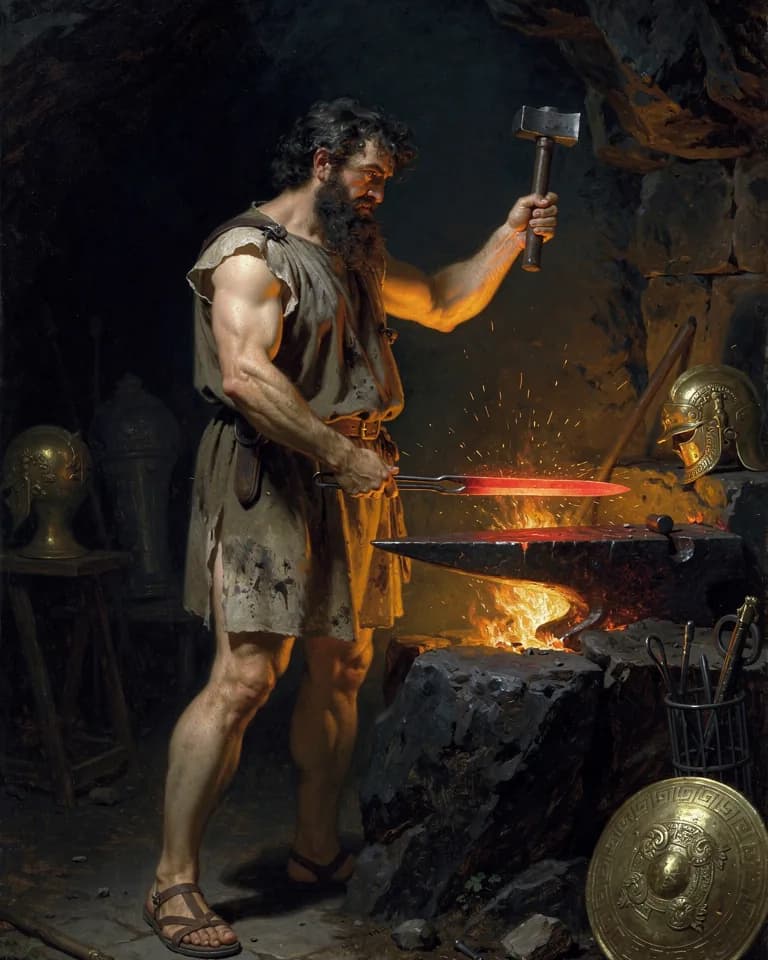
Hephaestus
HephaestusGreek
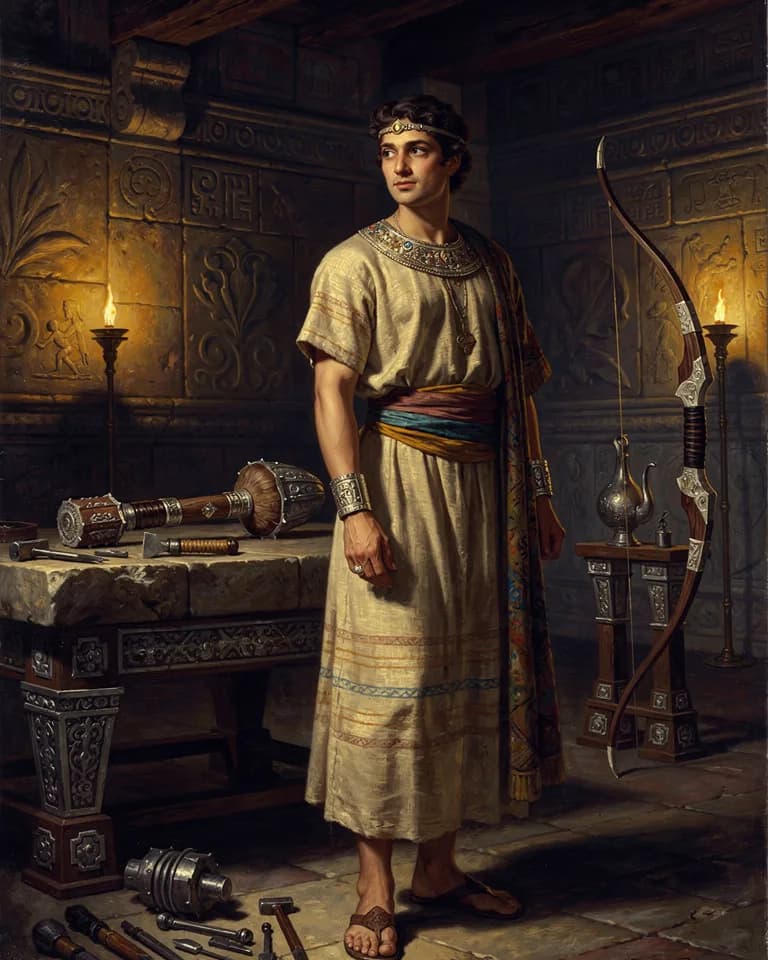
Kothar-wa-Khasis
Kothar-wa-KhasisCanaanite Pantheon (Ugarit)

Philo of Byblos's Phoenician History equates the craftsman Chousor with Hephaestus; both are divine smiths who make the weapons and houses of the gods.

At a glance

Hephaestus and Kothar-wa-Khasis compared
HephaestusKothar-wa-Khasis
TraditionGreek PantheonCanaanite Pantheon (Ugarit)
Domainsfire, metalworking, crafts, sculpturecraftsmanship, metalwork, building, magic and incantation
Symbolshammer, anvil, tongs, forgethe forge, the bow, the clubs Yagrush and Ayyamur
Also calledVulcan, HephaistosKothar, Kothar-and-Khasis, Chousor (in Philo of Byblos)

Where they meet

The atlas records no domain or symbol that Hephaestus and Kothar-wa-Khasis share.

They are compared for the part each plays in their own tradition rather than for any attribute in common.

Where they part

Only Hephaestus

Associated with fire, metalworking, crafts, and sculpture.

Only Kothar-wa-Khasis

Associated with craftsmanship, metalwork, building, and magic and incantation.

How each was worshipped

Hephaestus

Cult sites
Hephaesteion above the Athenian Agora; Island cult on Lemnos
Festivals
Chalkeia; Hephaisteia

Smiths and fire that can be worked. The Chalkeia linked him with Athena Ergane. Lemnos kept an older, dirtier fire-god. Lameness is myth; the cult is bronze, volcano, and the workshop.

Kothar-wa-Khasis

No cult sites or festivals are recorded in the atlas.

The two figures

Greek Pantheon

Hephaestus

God of fire, metalworking, and crafts. Son of Hera (and possibly Zeus), cast from Olympus due to his lameness but later readmitted.

Hephaestus is the master blacksmith of the gods, controlling fire and the forge. He is the patron of all craftsmen. Unlike the other beautiful immortals, he was born lame and was cast off Olympus by his mother Hera (or Zeus).

Read the full Hephaestus entry

Canaanite Pantheon (Ugarit)

Kothar-wa-Khasis

The craftsman god, 'Skilful and Wise', who makes Baal's two clubs, builds his palace of cedar and silver, and brings the fateful bow to the house of Danel.

Kothar-wa-Khasis has a double name, "Skilful and Wise", and is treated as a single god. He is the divine smith and builder, and he also knows incantations: when he names Baal's clubs he speaks words of power over them. His homes are far away, in Kaphtor (Crete) and Ḥkpt (Memphis, the city of the Egyptian craftsman god Ptah), which reflects Ugarit's position in a trading world that reached from the Aegean to Egypt.

Read the full Kothar-wa-Khasis entry
About this comparison

Comparisons pair figures that play a similar role across traditions, or that the myths connect within one. A shared role does not, by itself, establish a shared origin.