Mythos Atlas

Side by sideRivals

Ilmarinen vs Louhi

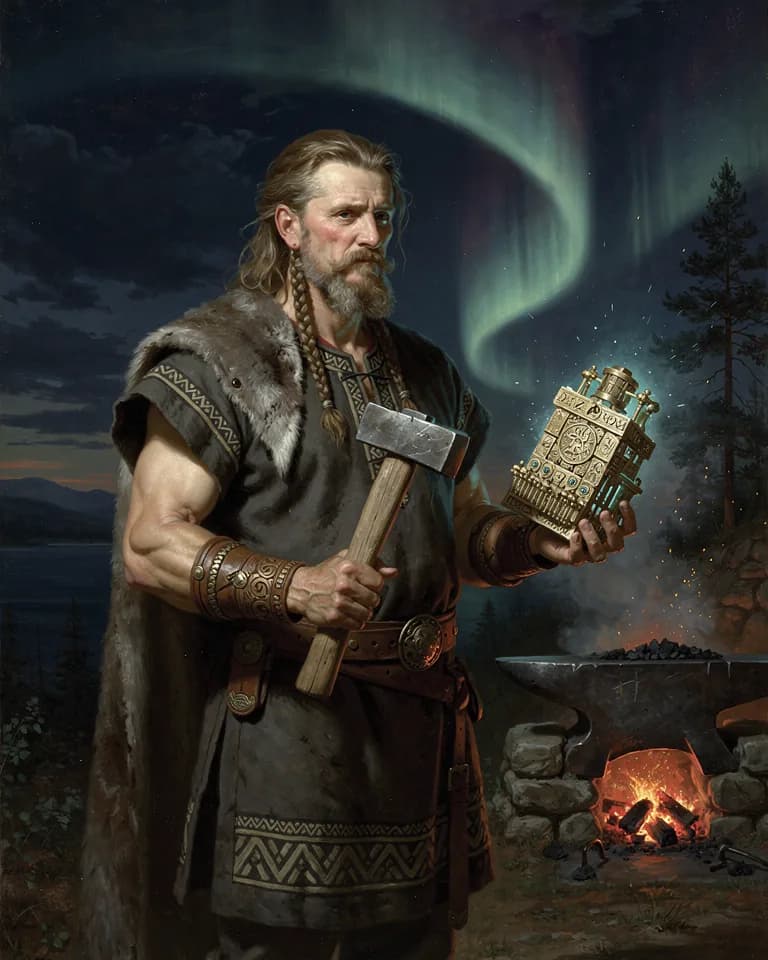
Ilmarinen
IlmarinenFinnish Tradition (Kalevala)
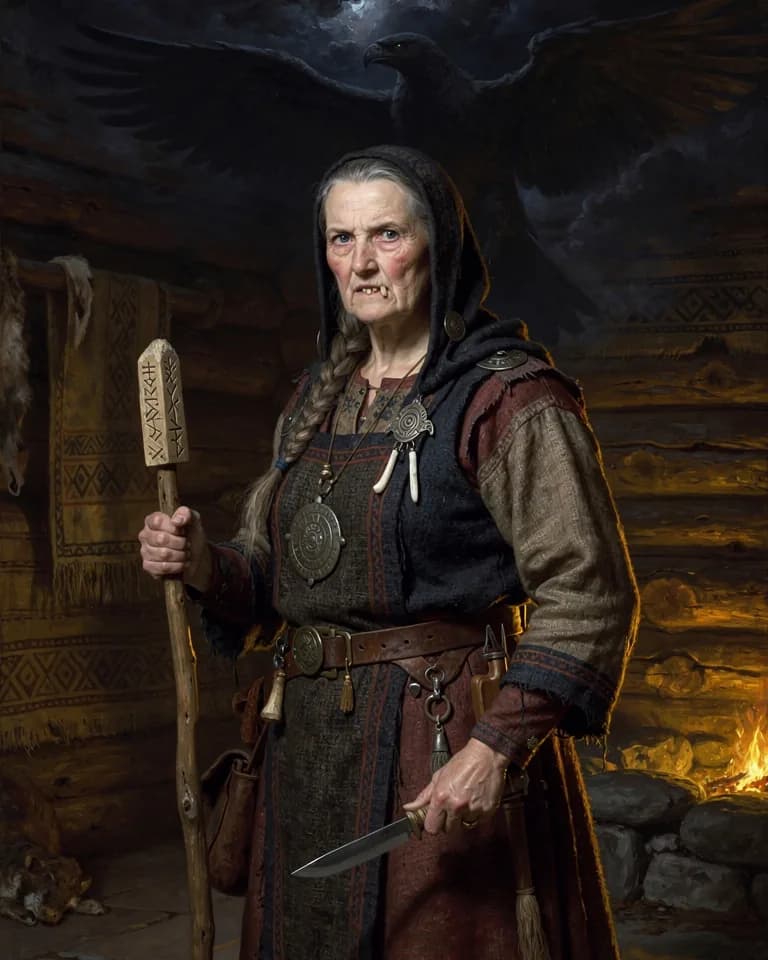
Louhi
LouhiFinnish Tradition (Kalevala)

Ilmarinen and Louhi are recorded as rivals in the Finnish Tradition (Kalevala).

At a glance

Ilmarinen and Louhi compared
IlmarinenLouhi
TraditionFinnish Tradition (Kalevala)Finnish Tradition (Kalevala)
Domainssmithcraft, the weather, the forging of the skythe North (Pohjola), sorcery, the Sampo
Symbolsthe hammer and forge, the Sampo, the vault of heaventhe Sampo, the eagle, the stone mountain
Also calledSeppo Ilmarinen (Ilmarinen the Smith)Pohjan akka, Pohjolan emäntä (Mistress of Pohjola), Louhiatar

Where they meet

They share a symbol: the sampo.

  • the Sampo

Where they part

Only Ilmarinen

Associated with smithcraft, the weather, and the forging of the sky.

Only Louhi

Associated with the north (pohjola), sorcery, and the sampo.

How each was worshipped

Ilmarinen

Invoked in smiths' charms, especially the 'origin of iron'; Agricola records him as a weather god who helped travelers.

Louhi

Not worshipped; in folk charms the related figure of the Old Woman of the North, mother of diseases, is named in order to banish illness back to Pohjola.

The two figures

Finnish Tradition (Kalevala)

Ilmarinen

The eternal smith of Finnish tradition, who forged the vault of the sky and, in the Kalevala, the Sampo for Louhi of Pohjola; named by Agricola in 1551 as the maker of calm and storm who carried travelers on their way.

In folk poetry, and in the Kalevala's charm of the origin of iron, he is born on a hill of charcoal with a copper hammer in his hand.

Agricola's list of 1551 says Ilmarinen 'made peace and weather and carried travelers forward', a role as a god of the air and winds that matches his name, from *ilma*, 'air, weather'. In the runo-songs he is above all the smith (*seppo*), the one 'who forged the sky, who hammered out the lid of the air', so skilled that no trace of hammer or tongs can be seen on his work.

Read the full Ilmarinen entry

Finnish Tradition (Kalevala)

Louhi

The powerful, gap-toothed mistress of Pohjola, the dark North, who demands the forging of the Sampo in exchange for her daughter, pursues the heroes as a giant eagle when they steal it, and hides the sun and moon in a mountain.

No origin is told; she is simply the mistress of Pohjola.

In Finnish folk poetry the Old Woman of the North, *Pohjan akka*, rules Pohjola, a cold, dark, hostile land somewhere to the north, and is a formidable sorceress; in charms the related *Louhiatar* or *Loviatar* is the mother of diseases. The Kalevala makes Louhi the chief antagonist of the Kalevala heroes, though an ambivalent one: she rescues the shipwrecked Väinämöinen and bargains fairly for her daughter's marriage.

Read the full Louhi entry
About this comparison

Comparisons pair figures that play a similar role across traditions, or that the myths connect within one. A shared role does not, by itself, establish a shared origin.