Side by sideParent and child

Juno vs Vulcan

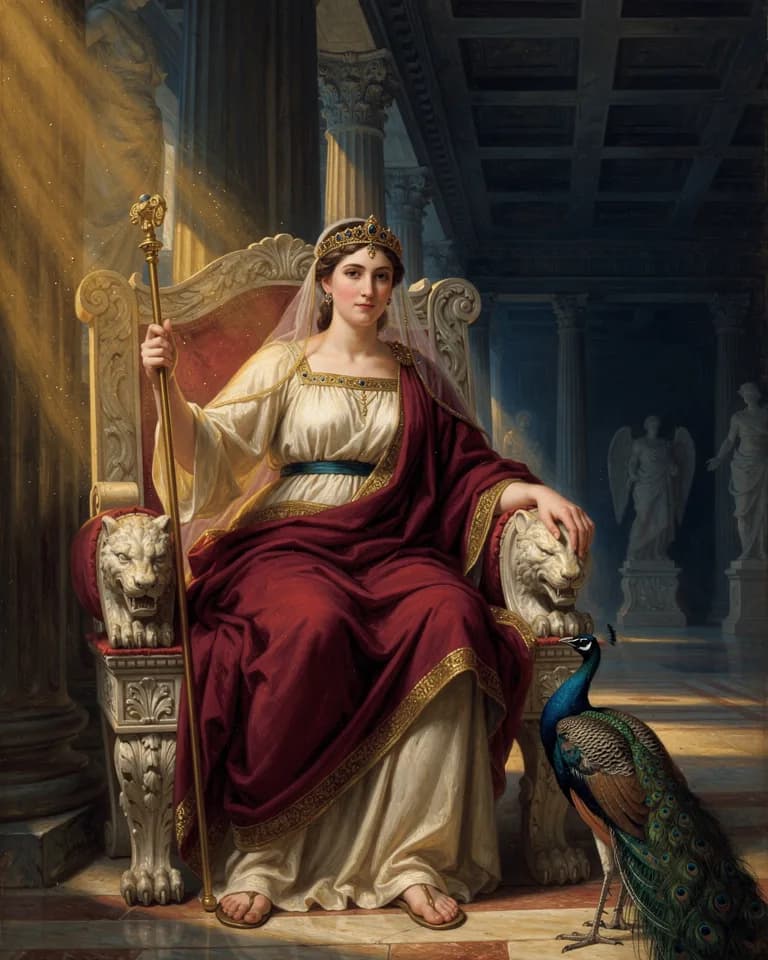
Juno
JunoRoman
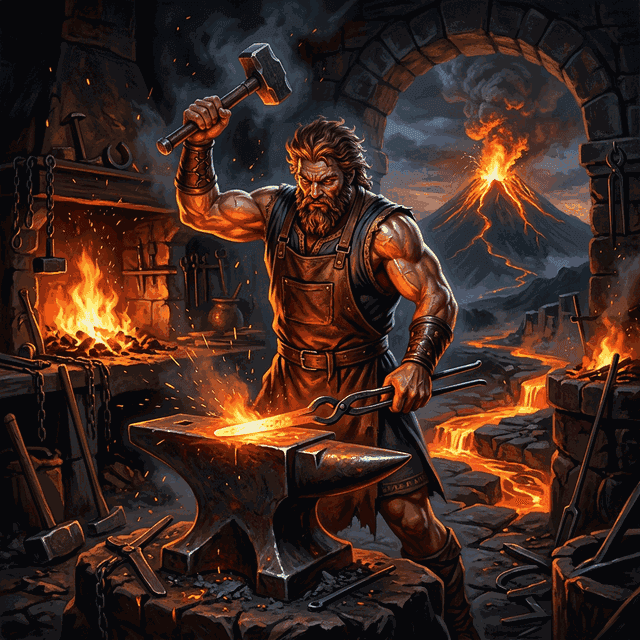
Vulcan
VulcanRoman

Juno and Vulcan are recorded as parent and child in the Roman Pantheon.

At a glance

Juno and Vulcan compared
JunoVulcan
TraditionRoman PantheonRoman Pantheon
Domainsmarriage, women, childbirth, familyfire, metalworking, forges, volcanoes
Symbolspeacock, pomegranate, diadem, cowanvil, hammer, tongs, volcano
Also calledJuno ReginaVulcanus

Where they meet

The atlas records no domain or symbol that Juno and Vulcan share.

They are compared because of how the myths connect them, not because of what they rule.

Where they part

Only Juno

Associated with marriage, women, childbirth, and family.

Only Vulcan

Associated with fire, metalworking, forges, and volcanoes.

How each was worshipped

Juno

Cult sites
Temple of Juno Moneta on the Arx of the Capitoline; Temple of Juno Regina on the Aventine (evocatio from Veii); Capitoline triad cella beside Jupiter and Minerva
Festivals
Matronalia (1 March); Nonae Caprotinae; Kalends (monthly)

Juno is the Kalends as Jupiter is the Ides. Matrons offered at the Matronalia. The geese of Juno on the Capitol were remembered as having saved the hill from the Gauls. The flaminica Dialis served her beside the flamen of Jupiter.

Vulcan

Cult sites
Volcanal, an open altar in the Forum; Temple of Vulcan in the Campus Martius
Festivals
Volcanalia (23 August)

In the dry month Romans threw live fish into the fire to keep the god fed and the city unburned. His altar sat outside the oldest inhabited core, because a fire god inside the pomerium was a bad idea. Smiths and millers kept him.

The two figures

Roman Pantheon

Juno

Queen of the gods and protector of the Roman state. Goddess of marriage, women, and childbirth. Wife and sister of Jupiter, patron of married women and the Roman matrons.

Juno is the Roman equivalent of Hera, daughter of Saturn and Ops. She became Jupiter's consort and queen of heaven, fiercely protective of marriage and legitimate children.

Juno is queen of the Roman gods and the protector of married women, but she is also a civic goddess. As **Juno Regina** she sat on the Capitol with Jupiter and Minerva. As **Juno Moneta** she kept a temple on the Arx whose name still sits inside the word "money," because the mint later worked nearby. As **Juno Sospita** she came from Lanuvium in goatskin and armed, a savior as much as a wife.

Read the full Juno entry

Roman Pantheon

Vulcan

God of fire, metalworking, and the forge. Craftsman of the gods who forged divine weapons and armor. Roman equivalent of Hephaestus. Associated with volcanic activity.

Vulcan is fire that cooks and fire that burns a street down. As a smith he overlaps Hephaestus: forges, divine weapons, the lame craftsman. As **Volcanus** he is also the dangerous blaze inside a wooden city. The **Vulcanalia** on August 23 included bonfires and offerings meant to keep accidental fire in its place at the driest time of year.

Read the full Vulcan entry
About this comparison

Comparisons pair figures that play a similar role across traditions, or that the myths connect within one. A shared role does not, by itself, establish a shared origin.