Mythos Atlas

Side by sideParallel across traditions

Kothar-wa-Khasis vs Ptah

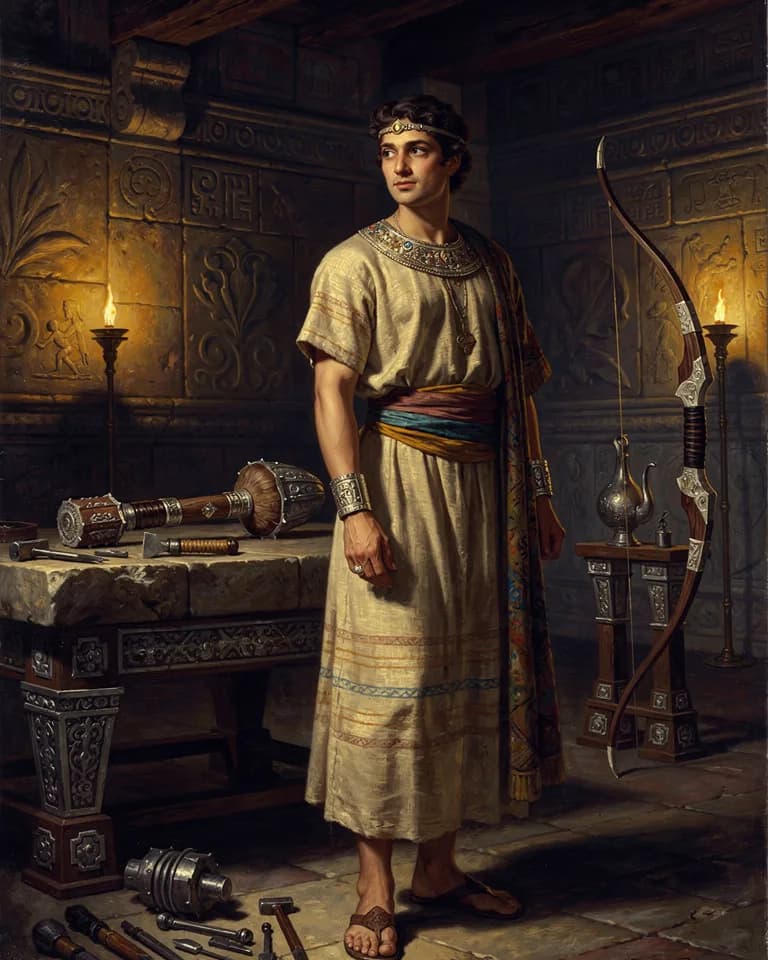
Kothar-wa-Khasis
Kothar-wa-KhasisCanaanite Pantheon (Ugarit)
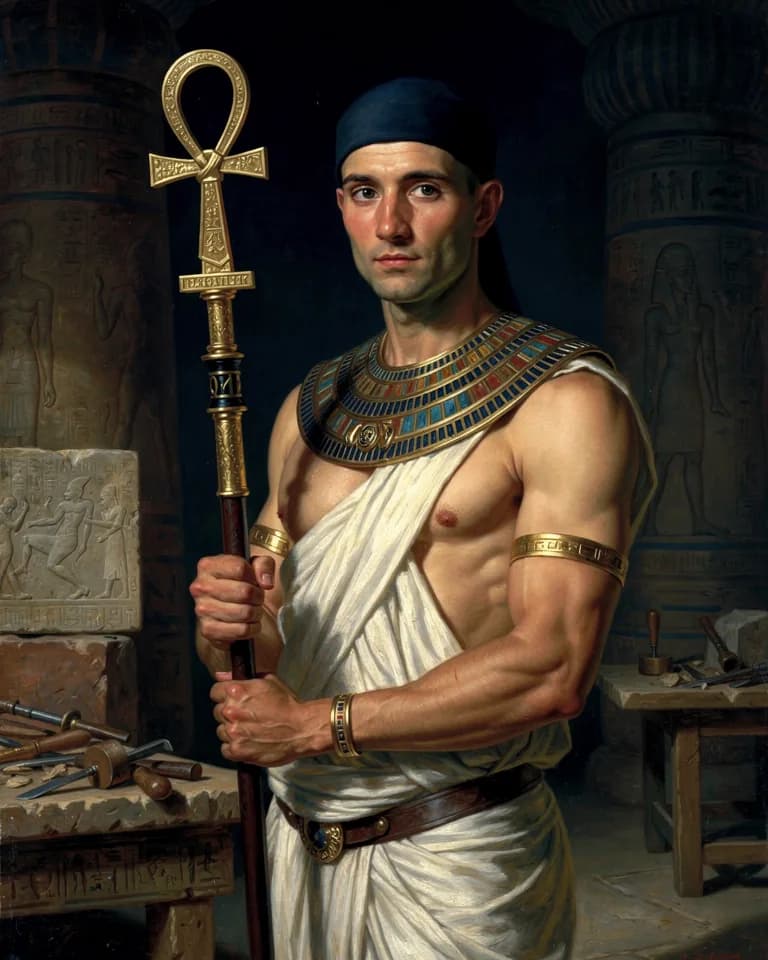
Ptah
PtahEgyptian

Kothar's seat is at Ḥkpt, Memphis, the city of Ptah, the Egyptian patron of craftsmen; the Ugaritic poets appear to have linked the two.

At a glance

Kothar-wa-Khasis and Ptah compared
Kothar-wa-KhasisPtah
TraditionCanaanite Pantheon (Ugarit)Egyptian Pantheon
Domainscraftsmanship, metalwork, building, magic and incantationcreation through thought and speech, craftsmen, architects, sculptors
Symbolsthe forge, the bow, the clubs Yagrush and Ayyamurwas-scepter, djed-pillar, and ankh combined, skull-cap, straight false beard
Also calledKothar, Kothar-and-Khasis, Chousor (in Philo of Byblos)None recorded

Where they meet

The atlas records no domain or symbol that Kothar-wa-Khasis and Ptah share.

They are compared for the part each plays in their own tradition rather than for any attribute in common.

Where they part

Only Kothar-wa-Khasis

Associated with craftsmanship, metalwork, building, and magic and incantation.

Only Ptah

Associated with creation through thought and speech, craftsmen, architects, and sculptors.

How each was worshipped

Kothar-wa-Khasis

No cult sites or festivals are recorded in the atlas.

Ptah

Cult sites
Great Temple of Ptah at Memphis (Hut-ka-Ptah, a name some scholars connect to the later Greek 'Aigyptos,' the origin of 'Egypt'); Shrines within temples across Egypt as patron of craftsmen
Festivals
Festivals tied to the installation of the sacred Apis bull, his living manifestation at Memphis

Ptah's cult centered on Memphis, where his temple complex and its associated Apis bull cult made the city a major religious center for the length of Egyptian history. Craftsmen and builders across Egypt regarded him as their patron, invoking him for skill in their work.

The two figures

Canaanite Pantheon (Ugarit)

Kothar-wa-Khasis

The craftsman god, 'Skilful and Wise', who makes Baal's two clubs, builds his palace of cedar and silver, and brings the fateful bow to the house of Danel.

Kothar-wa-Khasis has a double name, "Skilful and Wise", and is treated as a single god. He is the divine smith and builder, and he also knows incantations: when he names Baal's clubs he speaks words of power over them. His homes are far away, in Kaphtor (Crete) and Ḥkpt (Memphis, the city of the Egyptian craftsman god Ptah), which reflects Ugarit's position in a trading world that reached from the Aegean to Egypt.

Read the full Kothar-wa-Khasis entry

Egyptian Pantheon

Ptah

Creator god and patron of craftsmen, head of the Memphite Triad. The Memphite Theology credits Ptah with creating the world and the other gods through the thought of his heart and the command of his tongue, rather than through physical acts alone.

Ptah was the chief god of Memphis, credited in the Memphite Theology, inscribed on the Shabaka Stone, with creating the other gods and the ordered world through the thought conceived in his heart and the words spoken by his tongue, rather than through physical acts of craftsmanship alone.

Ptah was the chief god of Memphis, one of ancient Egypt's most important cult centers, and head of the Memphite Triad alongside his consort Sekhmet and their son Nefertem. Depicted as a mummiform man in a tight skull-cap, holding a composite scepter combining the was (power), djed (stability), and ankh (life) signs, Ptah stood apart from Egypt's many animal-headed gods in his fully human, static form.

Read the full Ptah entry
About this comparison

Comparisons pair figures that play a similar role across traditions, or that the myths connect within one. A shared role does not, by itself, establish a shared origin.