Mythos Atlas

Side by sideParallel across traditions

Lemminkäinen vs Osiris

Lemminkäinen
LemminkäinenFinnish Tradition (Kalevala)
Osiris
OsirisEgyptian

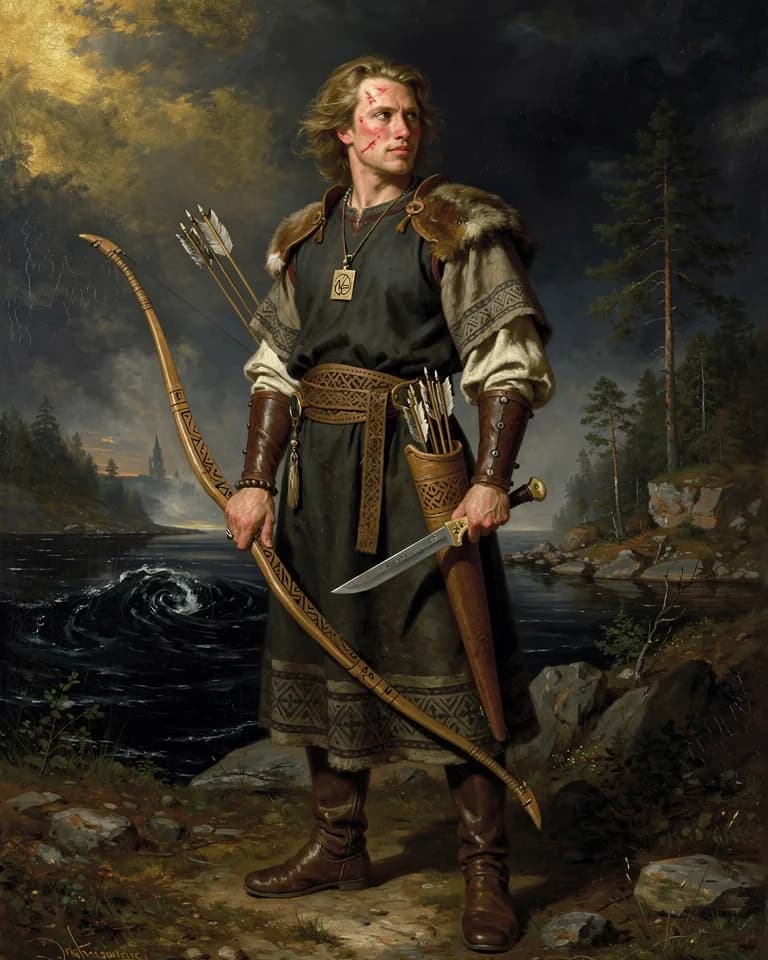
Both are dismembered and scattered in water, then gathered and restored by a devoted woman (Lemminkäinen by his mother with a copper rake, Osiris by Isis), a parallel often noted by comparative mythologists.

At a glance

Lemminkäinen and Osiris compared
LemminkäinenOsiris
TraditionFinnish Tradition (Kalevala)Egyptian Pantheon
Domainsadventure, love and seduction, war, magic songafterlife, resurrection, fertility, agriculture, judgment
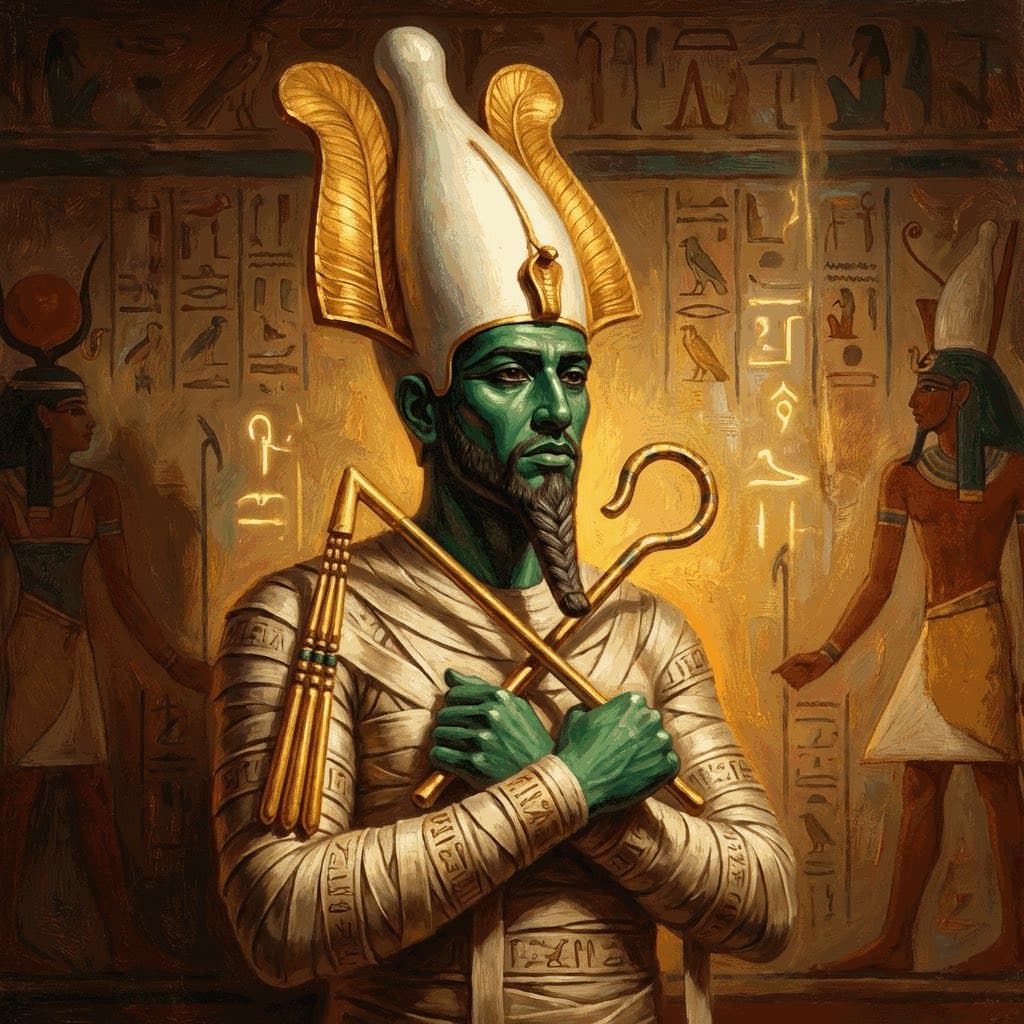
Symbolsthe hairbrush that bleeds, the copper rake, the swan of Tuonelacrook and flail, atef crown, green or black skin, mummy wrappings, djed pillar
Also calledAhti Saarelainen, Kaukomieli, LemminkainenUsir, Lord of the Perfect Black

Where they meet

The atlas records no domain or symbol that Lemminkäinen and Osiris share.

They are compared for the part each plays in their own tradition rather than for any attribute in common.

Where they part

Only Lemminkäinen

Associated with adventure, love and seduction, war, and magic song.

Only Osiris

Associated with afterlife, resurrection, fertility, agriculture, and judgment.

How each was worshipped

Lemminkäinen

A hero of song rather than an object of worship; his episodes were sung as epic and adapted in charms.

Osiris

Cult sites
Abydos, with the processional route to Umm el-Qa'ab; Osireion and temples throughout Egypt as the dead god
Festivals
Khoiak mysteries; Osiris festivals of the month of Khoiak

Death, grain, and kingship of the underworld. Khoiak grew his figure from grain and floated his neshmet bark. Every tomb needs him. Isis, Horus, and the justified dead share the same story.

The two figures

Finnish Tradition (Kalevala)

Lemminkäinen

The reckless, handsome adventurer of the Kalevala, who is killed at the river of Tuonela while trying to shoot its swan and cut to pieces, and whom his mother rakes from the river and restores to life.

Son of a devoted, unnamed mother, the 'islander' raised on the headland; the Kalevala gives no divine parentage.

In Finnish folk poetry Lemminkäinen, Ahti Saarelainen ('Ahti the Islander'), and Kaukomieli were related but partly separate figures, heroes of songs about uninvited guests at feasts, sea raids, and duels of magic. Lönnrot combined them into one character, which is why the Kalevala calls him by all three names.

Read the full Lemminkäinen entry

Egyptian Pantheon

Osiris

God of the afterlife, resurrection, and fertility. First pharaoh and lawgiver who taught agriculture to humanity. Murdered by his brother Set and resurrected by Isis.

Osiris was the first mythical pharaoh of Egypt, who brought civilization and agriculture. After being murdered and dismembered by his jealous brother Set, he was resurrected by Isis to rule the Underworld.

Read the full Osiris entry
About this comparison

Comparisons pair figures that play a similar role across traditions, or that the myths connect within one. A shared role does not, by itself, establish a shared origin.