Mythos Atlas

Side by sideRivals

Loki vs Skadi

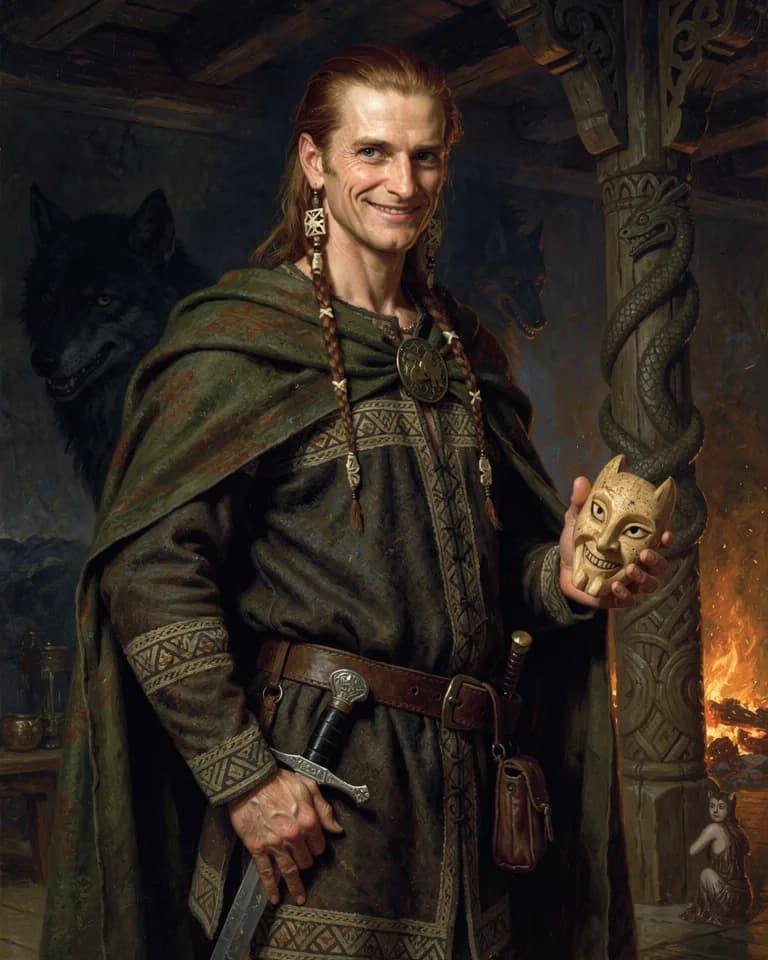
Loki
LokiNorse
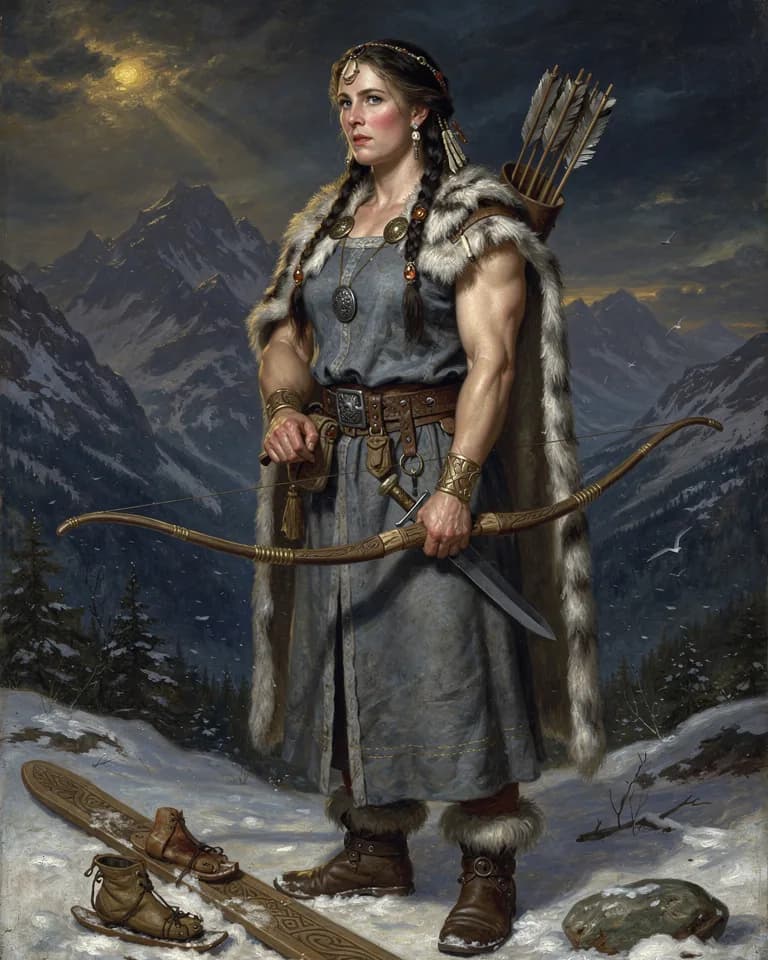
Skadi
SkadiNorse

Loki and Skadi are recorded as rivals in the Norse Pantheon.

At a glance

Loki and Skadi compared
LokiSkadi
TraditionNorse PantheonNorse Pantheon
Domainsmischief, trickery, chaos, fire, transformationmountains, winter, hunting, skiing
Symbolsflames, serpent, salmon, flysnowshoes or skis, bow, mountain home Thrymheim
Also calledLopt, Trickster, Shape-ShifterSkaði, Öndurgoð (Snowshoe-Goddess), Öndurdís (Lady of the Snowshoes)

Where they meet

The atlas records no domain or symbol that Loki and Skadi share.

They are compared because of how the myths connect them, not because of what they rule.

Where they part

Only Loki

Associated with mischief, trickery, chaos, fire, and transformation.

Only Skadi

Associated with mountains, winter, hunting, and skiing.

How each was worshipped

Loki

Cult sites
No attested temple; place-names are scarce and disputed

There is no working Loki cult in the sources. He is bound, blamed, and needed in the stories. The honest note is absence: a mythic catalyst without a priesthood.

Skadi

No cult sites or festivals are recorded in the atlas.

The two figures

Norse Pantheon

Loki

A complex figure, blood brother to Odin but frequently causing trouble for the gods. A shape-shifter and trickster who fathers monstrous children including Fenrir, Jormungandr, and Hel.

Loki is not one of the Aesir by birth but a giant, the son of the giant Farbauti and the giantess Laufey (or Nal). Despite his giant heritage, he was accepted among the Aesir after becoming blood brothers with Odin in ancient times. The details of this pact are lost, but it bound Odin to never drink unless Loki was also offered a cup. Loki married the goddess Sigyn, who bore him sons Narfi and Vali. With the giantess Angrboda, he fathered three monstrous children: Fenrir the wolf, Jormungandr the World Serpent, and Hel, ruler of the dead.

Loki is a shape-shifter and the catalyst for most Norse myths. Sometimes a helpful ally, often a malicious nuisance, his actions drive the plot of the gods' lives.

Read the full Loki entry

Norse Pantheon

Skadi

A giantess who came armed to Asgard to avenge her father Thjazi and was offered a husband in compensation, choosing Njord by his feet alone. She is the huntress of the snowy mountains who travels on snowshoes with her bow.

Skadi is the daughter of the giant Thjazi. After the gods killed him, she came to Asgard in arms to avenge him and accepted a marriage to Njord, chosen by his feet, as part of the settlement.

Skadi's father, the giant Thjazi, abducted the goddess Idunn and her apples of youth and was killed by the gods when he pursued Loki back to Asgard. Snorri Sturluson's *Skaldskaparmal* tells how Skadi took up helmet, mail, and weapons and went to Asgard to avenge him. The gods offered compensation: she might choose a husband from among them, seeing only their feet. Hoping for Baldr, she chose the most beautiful feet, and they belonged to Njord, god of the sea. The gods also had to make her laugh, which Loki managed with a crude trick, and Odin threw Thjazi's eyes into the sky as stars.

Read the full Skadi entry
About this comparison

Comparisons pair figures that play a similar role across traditions, or that the myths connect within one. A shared role does not, by itself, establish a shared origin.