Mythos Atlas

Side by sideRivals

Anat vs Mot

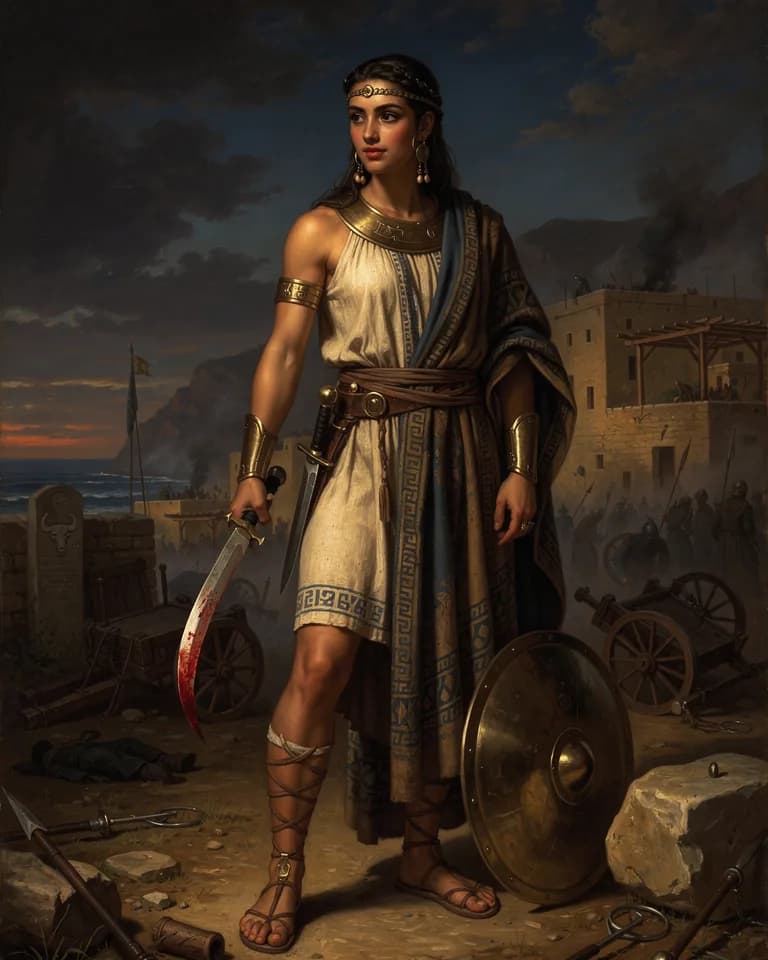
Anat
AnatCanaanite Pantheon (Ugarit)
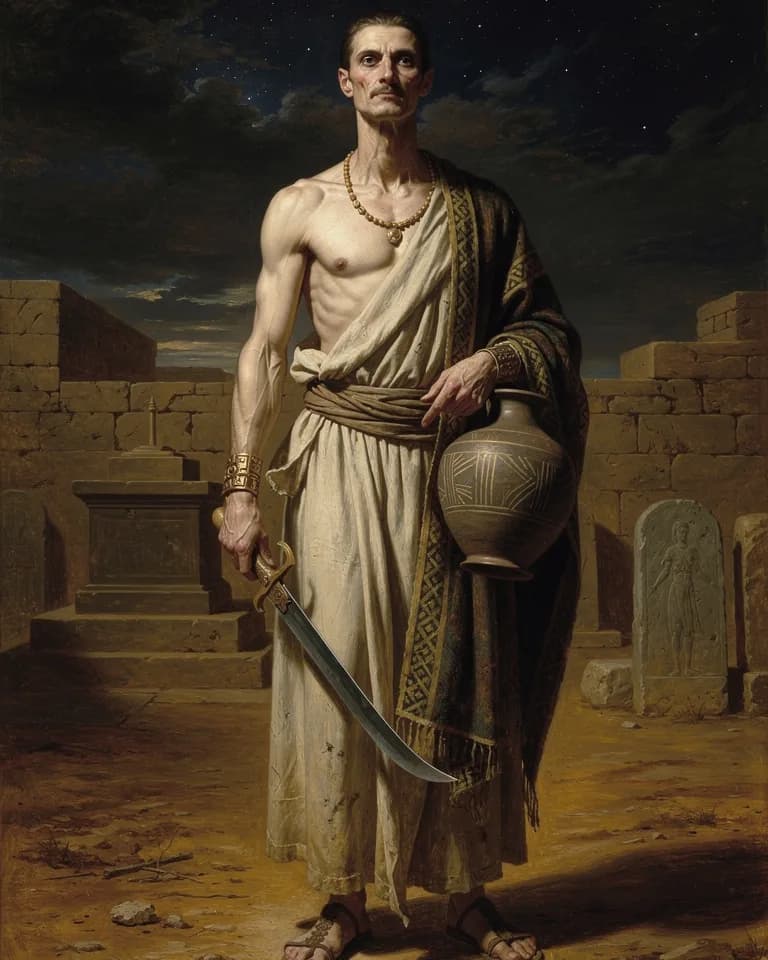
Mot
MotCanaanite Pantheon (Ugarit)

Anat and Mot are recorded as rivals in the Canaanite Pantheon (Ugarit).

At a glance

Anat and Mot compared
AnatMot
TraditionCanaanite Pantheon (Ugarit)Canaanite Pantheon (Ugarit)
Domainswar, hunting, loyalty to Baaldeath, the underworld, drought and sterility
Symbolsbow and arrows, the heads and hands of the slain, wingsan open throat, the muddy city Hmry
Also calledVirgin Anat (btlt ʿnt), Yabamat Liʾmim, AnathDeath, Beloved of El (ydd il), Son of El (bn ilm)

Where they meet

The atlas records no domain or symbol that Anat and Mot share.

They are compared because of how the myths connect them, not because of what they rule.

Where they part

Only Anat

Associated with war, hunting, and loyalty to baal.

Only Mot

Associated with death, the underworld, and drought and sterility.

How each was worshipped

Anat

Anat receives offerings in Ugaritic ritual lists; her cult spread to New Kingdom Egypt.

Mot

No cult sites or festivals are recorded in the atlas.

The two figures

Canaanite Pantheon (Ugarit)

Anat

The young warrior goddess of Ugarit, Baal's sister and fiercest ally, who wades through battle, bullies El into granting Baal a palace, finds Baal's body, and destroys Mot.

Anat is the most violent figure in Ugaritic poetry. In the Baal Cycle (KTU 1.3 II) she fights two armies, heaping up heads and hands, wading knee-deep and then neck-deep in the blood of warriors, before washing herself with dew and rain. She boasts that she has already defeated Yamm, the dragon Tunnan, and the twisting serpent. Her usual epithet, "Virgin Anat" (btlt ʿnt), marks her as a young, unmarried woman, and the texts are more interested in her ferocity than in any maternal role.

Read the full Anat entry

Canaanite Pantheon (Ugarit)

Mot

Death personified, whose throat reaches to the heavens and whose lip touches the earth, who swallows Baal and is himself destroyed by Anat and then fights Baal to a standstill.

Mot is death itself, not a ruler of the dead. The Baal Cycle gives him an enormous appetite: one lip to the earth, one lip to the heavens, a tongue to the stars (KTU 1.5 II), and a craving that the text compares to a lion's hunger and a dolphin's thirst. His city is Hmry ("Miry" or "Muddy"), where he sits on a throne in a land of filth, and messengers are warned not to come too close in case he swallows them.

Read the full Mot entry
About this comparison

Comparisons pair figures that play a similar role across traditions, or that the myths connect within one. A shared role does not, by itself, establish a shared origin.