Mythos Atlas

Side by sideSiblings

Anat vs Baal (Baʿlu Haddu)

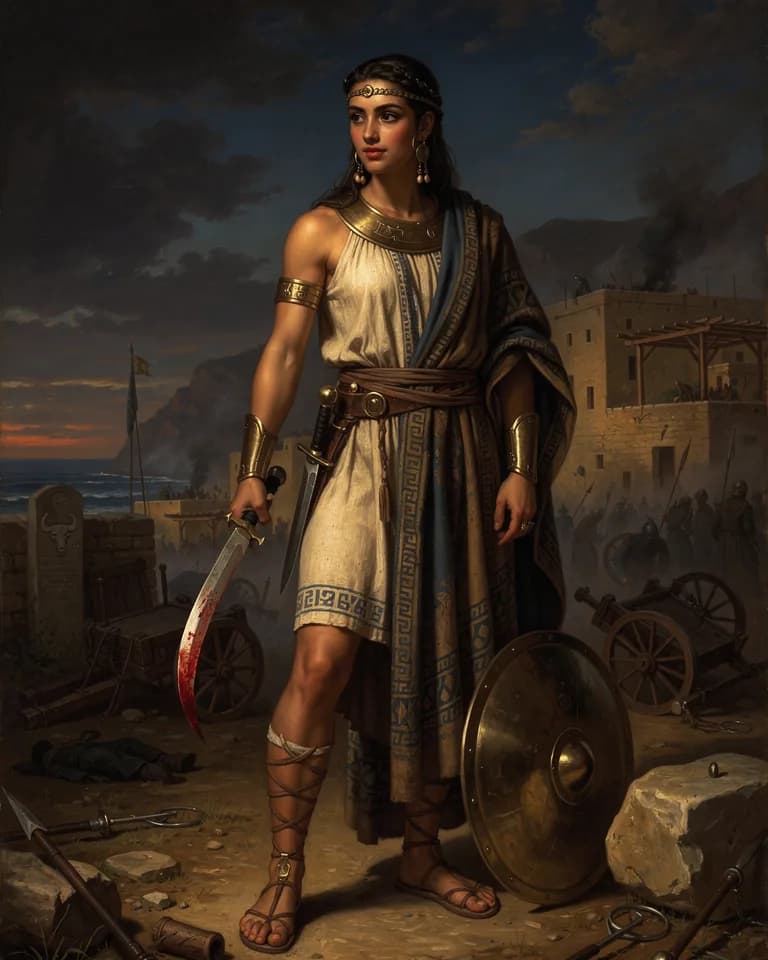
Anat
AnatCanaanite Pantheon (Ugarit)
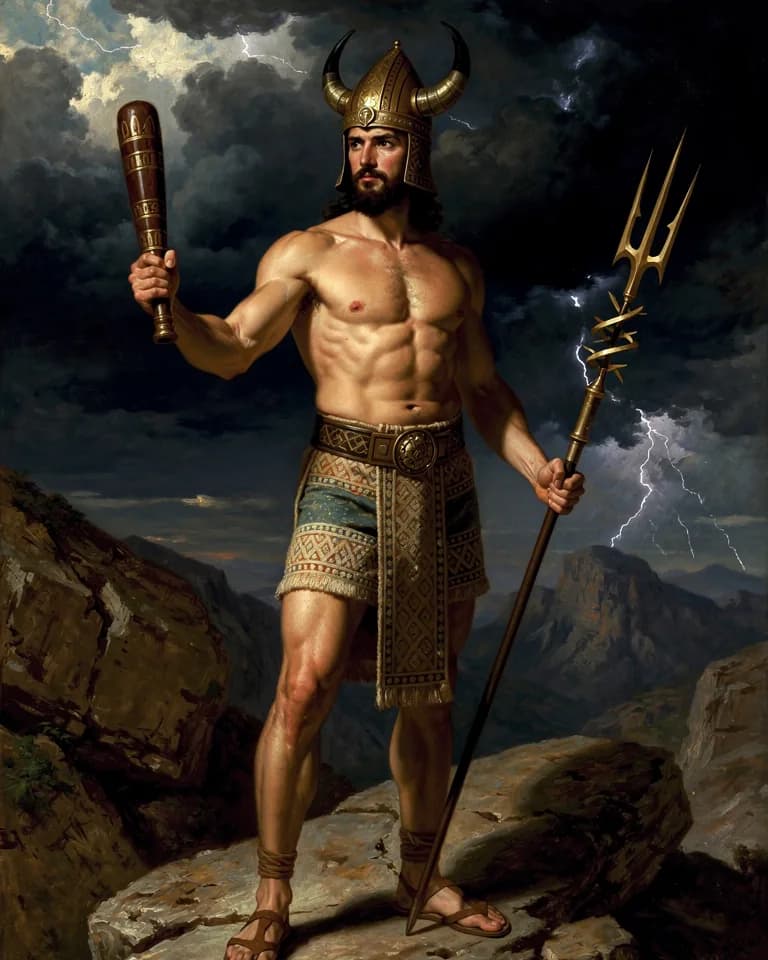
Baal (Baʿlu Haddu)
Baal (Baʿlu Haddu)Canaanite Pantheon (Ugarit)

Anat and Baal (Baʿlu Haddu) are recorded as siblings in the Canaanite Pantheon (Ugarit).

At a glance

Anat and Baal (Baʿlu Haddu) compared
AnatBaal (Baʿlu Haddu)
TraditionCanaanite Pantheon (Ugarit)Canaanite Pantheon (Ugarit)
Domainswar, hunting, loyalty to Baalstorms, rain, fertility, kingship among the gods
Symbolsbow and arrows, the heads and hands of the slain, wingsthunderbolt and club, the bull, Mount Zaphon
Also calledVirgin Anat (btlt ʿnt), Yabamat Liʾmim, AnathHadad, Haddu, Aliyan Baal (Mightiest Baal), Rider of the Clouds, Baal Zaphon

Where they meet

The atlas records no domain or symbol that Anat and Baal (Baʿlu Haddu) share.

They are compared because of how the myths connect them, not because of what they rule.

Where they part

Only Anat

Associated with war, hunting, and loyalty to baal.

Only Baal (Baʿlu Haddu)

Associated with storms, rain, fertility, and kingship among the gods.

How each was worshipped

Anat

Anat receives offerings in Ugaritic ritual lists; her cult spread to New Kingdom Egypt.

Baal (Baʿlu Haddu)

Cult sites
Temple of Baal on the acropolis of Ugarit; Mount Zaphon (Jebel Aqra)

Ugaritic ritual texts list offerings to Baal of Zaphon and to Baal under several local titles; stone anchors dedicated in his temple at Ugarit suggest the devotion of seafarers.

The two figures

Canaanite Pantheon (Ugarit)

Anat

The young warrior goddess of Ugarit, Baal's sister and fiercest ally, who wades through battle, bullies El into granting Baal a palace, finds Baal's body, and destroys Mot.

Anat is the most violent figure in Ugaritic poetry. In the Baal Cycle (KTU 1.3 II) she fights two armies, heaping up heads and hands, wading knee-deep and then neck-deep in the blood of warriors, before washing herself with dew and rain. She boasts that she has already defeated Yamm, the dragon Tunnan, and the twisting serpent. Her usual epithet, "Virgin Anat" (btlt ʿnt), marks her as a young, unmarried woman, and the texts are more interested in her ferocity than in any maternal role.

Read the full Anat entry

Canaanite Pantheon (Ugarit)

Baal (Baʿlu Haddu)

The storm-god of Ugarit, 'Rider of the Clouds', whose rain makes the land fertile; he defeats Yamm the Sea, builds his palace on Mount Zaphon, is swallowed by Mot (Death), and returns to life.

Baal is a title, "lord", and at Ugarit it belongs above all to the storm-god whose personal name was Haddu (Hadad). He is "Mightiest Baal" (aliyn bʿl) and "Rider of the Clouds" (rkb ʿrpt), and his voice is the thunder. Ugaritic texts call him the son of Dagan, a grain-god worshipped along the middle Euphrates, even though he lives among El's family; the tension between those two statements has never been fully explained. His home is Mount Zaphon (Ṣapānu), the mountain north of Ugarit now called Jebel Aqra, and one of the two great temples on Ugarit's acropolis is generally identified as his.

Read the full Baal (Baʿlu Haddu) entry
About this comparison

Comparisons pair figures that play a similar role across traditions, or that the myths connect within one. A shared role does not, by itself, establish a shared origin.