Mythos Atlas

Side by sideParallel across traditions

Baal (Baʿlu Haddu) vs Zeus

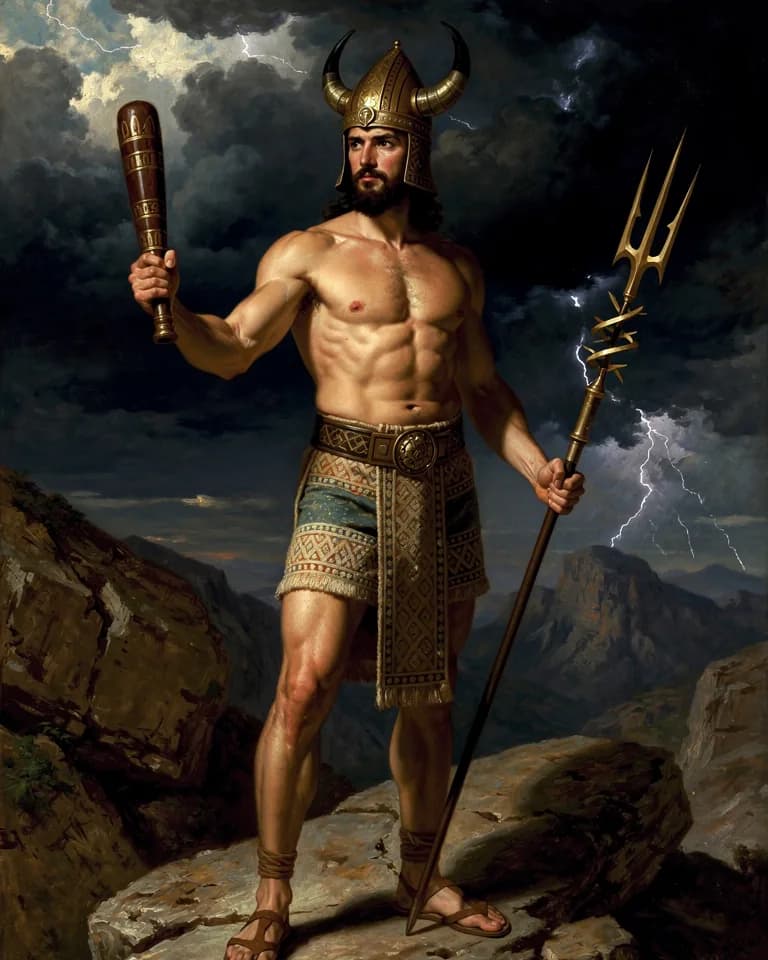
Baal (Baʿlu Haddu)
Baal (Baʿlu Haddu)Canaanite Pantheon (Ugarit)
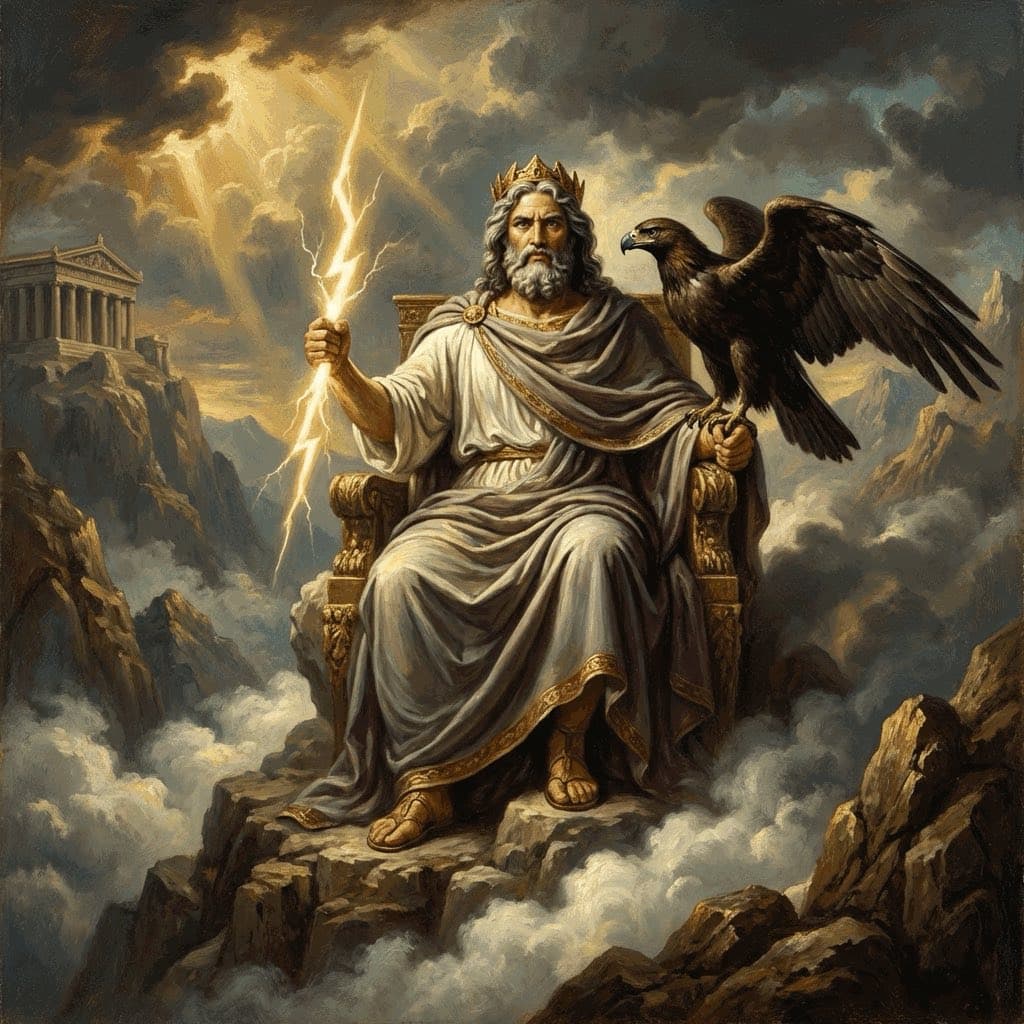
Zeus
ZeusGreek

Both are storm-kings who win their rule against a chaotic rival; Greek sources later called the same mountain Kasios and worshipped Zeus Kasios there.

At a glance

Baal (Baʿlu Haddu) and Zeus compared
Baal (Baʿlu Haddu)Zeus
TraditionCanaanite Pantheon (Ugarit)Greek Pantheon
Domainsstorms, rain, fertility, kingship among the godssky, thunder, lightning, law, order
Symbolsthunderbolt and club, the bull, Mount Zaphonthunderbolt, eagle, oak tree, bull
Also calledHadad, Haddu, Aliyan Baal (Mightiest Baal), Rider of the Clouds, Baal ZaphonJupiter, Jove

Where they meet

The atlas records no domain or symbol that Baal (Baʿlu Haddu) and Zeus share.

They are compared for the part each plays in their own tradition rather than for any attribute in common.

Where they part

Only Baal (Baʿlu Haddu)

Associated with storms, rain, fertility, and kingship among the gods.

Only Zeus

Associated with sky, thunder, lightning, law, and order.

How each was worshipped

Baal (Baʿlu Haddu)

Cult sites
Temple of Baal on the acropolis of Ugarit; Mount Zaphon (Jebel Aqra)

Ugaritic ritual texts list offerings to Baal of Zaphon and to Baal under several local titles; stone anchors dedicated in his temple at Ugarit suggest the devotion of seafarers.

Zeus

Cult sites
Temple of Zeus at Olympia; Oracle of Zeus at Dodona; Nemean sanctuary
Festivals
Olympic Games; Diasia; Dipolieia

White bulls and the thunderbolt belong to him. Olympic contest was a sacrifice as much as a race. Dodona spoke through oak and doves. Civic oaths called Zeus Horkios; a perjurer feared the sky more than the court.

The two figures

Canaanite Pantheon (Ugarit)

Baal (Baʿlu Haddu)

The storm-god of Ugarit, 'Rider of the Clouds', whose rain makes the land fertile; he defeats Yamm the Sea, builds his palace on Mount Zaphon, is swallowed by Mot (Death), and returns to life.

Baal is a title, "lord", and at Ugarit it belongs above all to the storm-god whose personal name was Haddu (Hadad). He is "Mightiest Baal" (aliyn bʿl) and "Rider of the Clouds" (rkb ʿrpt), and his voice is the thunder. Ugaritic texts call him the son of Dagan, a grain-god worshipped along the middle Euphrates, even though he lives among El's family; the tension between those two statements has never been fully explained. His home is Mount Zaphon (Ṣapānu), the mountain north of Ugarit now called Jebel Aqra, and one of the two great temples on Ugarit's acropolis is generally identified as his.

Read the full Baal (Baʿlu Haddu) entry

Greek Pantheon

Zeus

King of the gods and ruler of Mount Olympus. God of the sky, thunder, and justice. Zeus overthrew his father Cronus to become the supreme deity of the Greek pantheon.

Zeus was the youngest son of the Titans Cronus and Rhea. Cronus, fearing a prophecy that he would be overthrown by his children, swallowed each child at birth. Rhea hid Zeus and gave Cronus a stone wrapped in swaddling clothes instead. Zeus was raised in secret and later forced Cronus to regurgitate his siblings, leading the rebellion against the Titans.

Zeus is the supreme ruler of the gods, the lord of the sky, and the wielder of the thunderbolt. His power is greater than that of all the other gods combined. He presides over the oaths of men and the laws of the universe, ensuring justice and order.

Read the full Zeus entry
About this comparison

Comparisons pair figures that play a similar role across traditions, or that the myths connect within one. A shared role does not, by itself, establish a shared origin.