Mythos Atlas

Side by sideParent and child

Enlil vs Sin

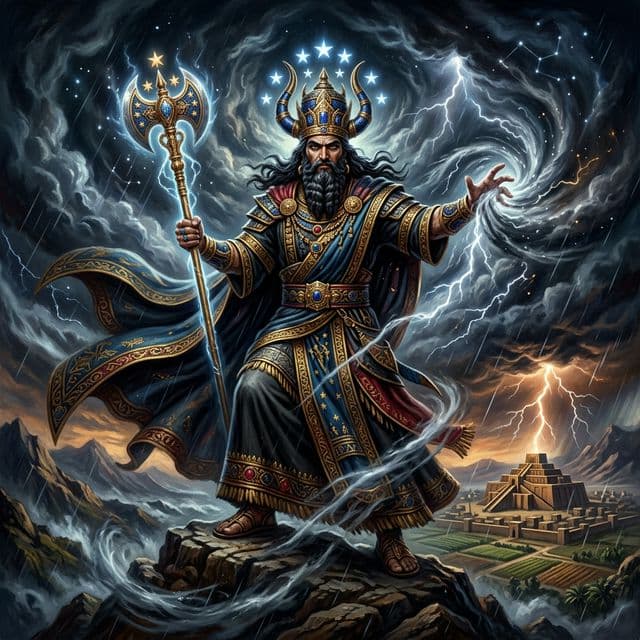
Enlil
EnlilMesopotamian
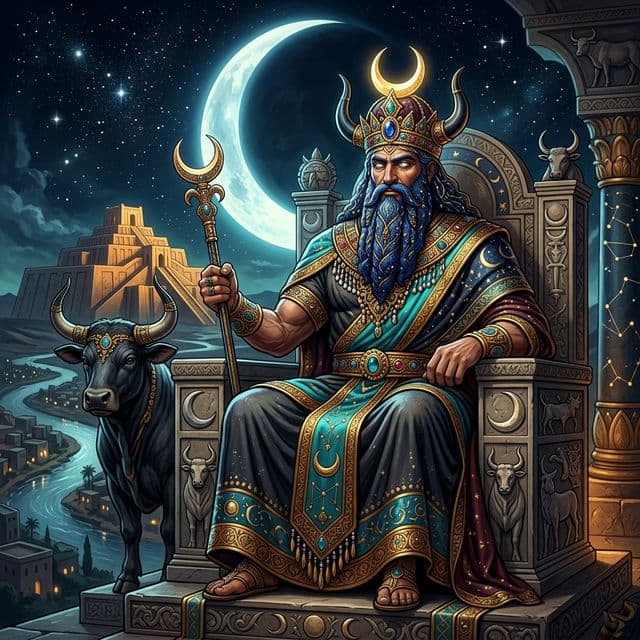
Sin
SinMesopotamian

Enlil and Sin are recorded as parent and child in the Mesopotamian Pantheon.

At a glance

Enlil and Sin compared
EnlilSin
TraditionMesopotamian PantheonMesopotamian Pantheon
Domainswind, storms, earth, agriculture, destinymoon, time, wisdom, cattle
Symbolsseven stars, horned crown, royal sceptercrescent moon, bull, lapis lazuli beard
Also calledEllil, NunamnirNanna, Nannar, Suen

Where they meet

The atlas records no domain or symbol that Enlil and Sin share.

They are compared because of how the myths connect them, not because of what they rule.

Where they part

Only Enlil

Associated with wind, storms, earth, agriculture, and destiny.

Only Sin

Associated with moon, time, wisdom, and cattle.

How each was worshipped

Enlil

Cult sites
Ekur at Nippur
Festivals
Nippur's temple year; kingship confirmed there

Lord Wind, tablet of destinies. Nippur was the religious capital even when kings lived elsewhere. The cult is the mountain-house and the decree.

Sin

Cult sites
Great Ziggurat of Ur; Harran in the later period
Festivals
Ur's moon festivals; Nanna's boat processions

The moon at Ur, with priestesses in the giparu. Nabonidus still cared in the sixth century BCE. Silver, cattle, and the month.

The two figures

Mesopotamian Pantheon

Enlil

Lord of wind, storms, and the breath of life. Enlil is the executive authority of the gods, wielding the Tablet of Destinies and determining the fates of gods and mortals.

When heaven and earth were separated, Enlil was born between them as the atmosphere itself. He carved out space for life to exist and received the Tablet of Destinies from Anu, becoming the active ruler of the cosmos. He established Nippur as the holy city and built the Ekur as his eternal temple.

Enlil is the most powerful of the active gods, second only to Anu in the cosmic hierarchy but first in practical authority. His name means 'Lord Wind' or 'Lord of the Command,' and he embodies both the life-giving breeze and the destructive storm. Where Anu reigns in distant majesty, Enlil governs the cosmos with an iron will.

Read the full Enlil entry

Mesopotamian Pantheon

Sin

The moon god and lord of the night sky. Sin is the father of the sun god Shamash and the goddess Inanna, and the keeper of time through the lunar calendar.

Sin was born to Enlil and Ninlil in the underworld under unusual circumstances. After Enlil was banished to the underworld for ravishing Ninlil, she followed him and gave birth to Nanna/Sin there. Through clever deception, Sin was allowed to ascend to the sky, where he became the moon.

Sin is the great moon god of Mesopotamia, father of the sun and stars. In Mesopotamian astral hierarchy, the moon held precedence over the sun, as the moon's phases provided the basis for the calendar and the measurement of time. Sin's waxing and waning represented the cosmic rhythm that governed agriculture, religion, and commerce.

Read the full Sin entry
About this comparison

Comparisons pair figures that play a similar role across traditions, or that the myths connect within one. A shared role does not, by itself, establish a shared origin.