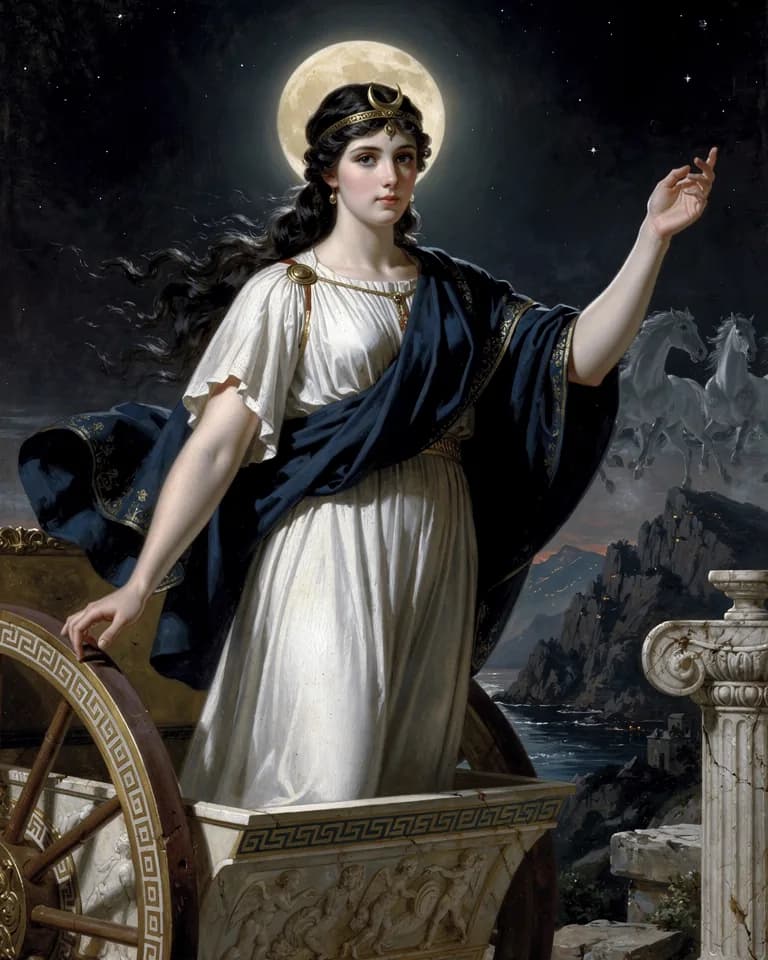
Selene
The Titan-born goddess of the moon, daughter of Hyperion and Theia and sister of Helios and Eos. She drives her team across the night sky, and poets tell of her love for the sleeping shepherd Endymion.
Divine domains
13 deities from 11 traditions whose entries in this atlas list moon among their domains, grouped by tradition.
The Titan-born goddess of the moon, daughter of Hyperion and Theia and sister of Helios and Eos. She drives her team across the night sky, and poets tell of her love for the sleeping shepherd Endymion.
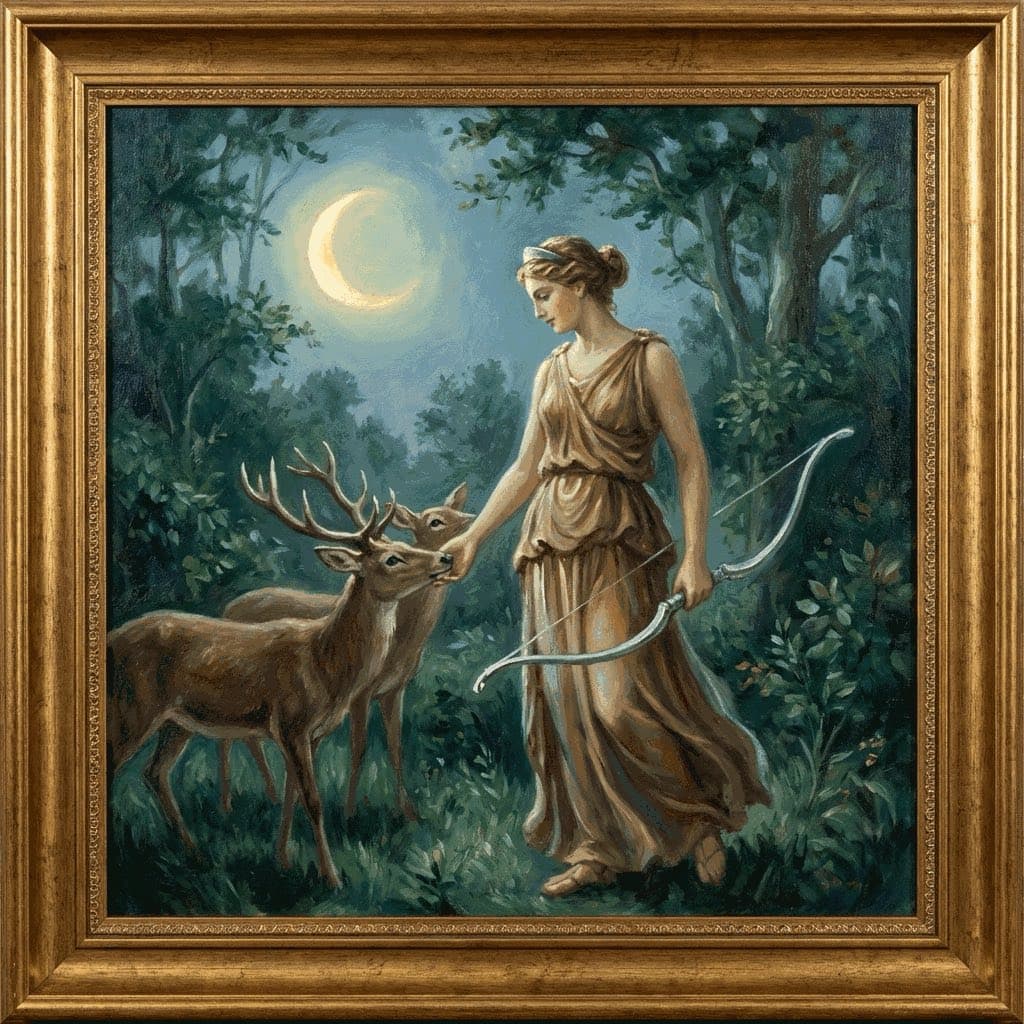
Goddess of the hunt, wilderness, and the moon. Twin sister of Apollo, protector of young women and animals.
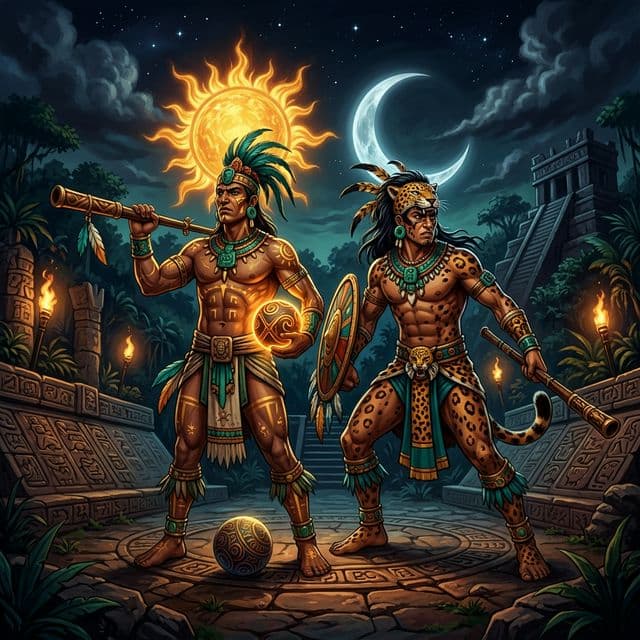
The Hero Twins of Maya mythology, sons of the maize god Hun Hunahpu. Through cleverness and sacrifice, they defeated the lords of death and became the sun and moon.
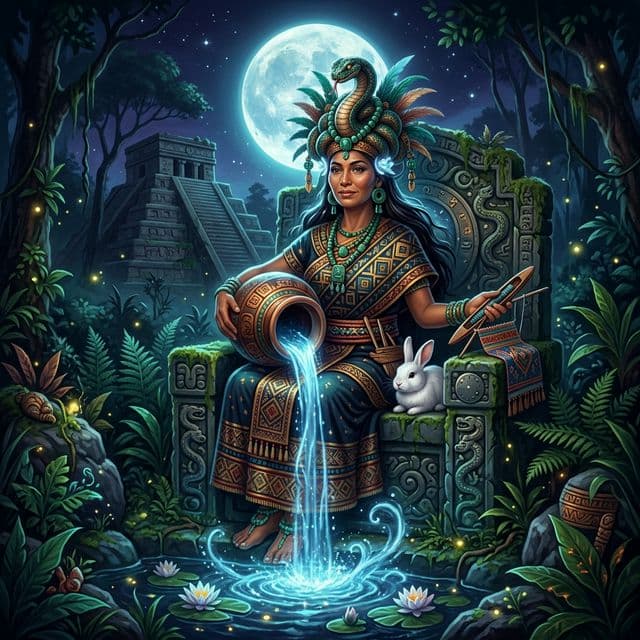
The Maya moon goddess associated with fertility, childbirth, medicine, and weaving. Ix Chel appears in both young and aged forms, representing different aspects of the lunar cycle and feminine power.
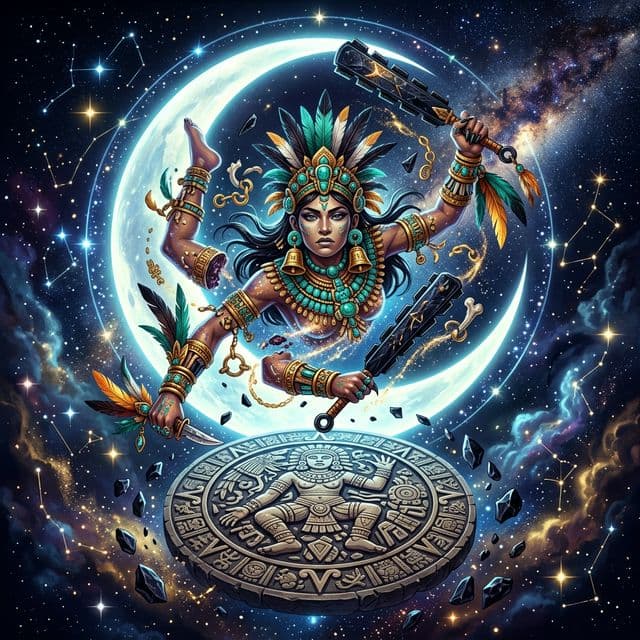
The moon goddess, daughter of Coatlicue and leader of the 400 stars. Coyolxauhqui was slain and dismembered by her brother Huitzilopochtli at his miraculous birth, her defeat reenacted at every sunrise.
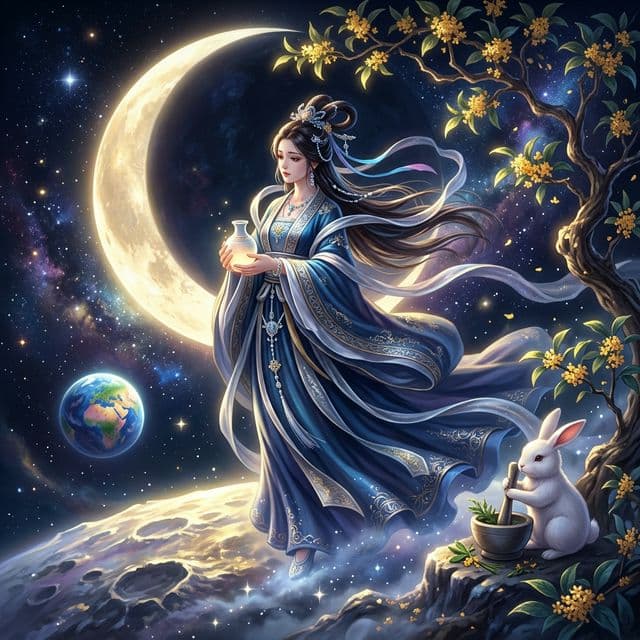
The goddess of the moon who lives in the Lunar Palace. She became immortal after drinking an elixir meant for her husband Hou Yi, and now dwells eternally on the moon with only a jade rabbit for company.
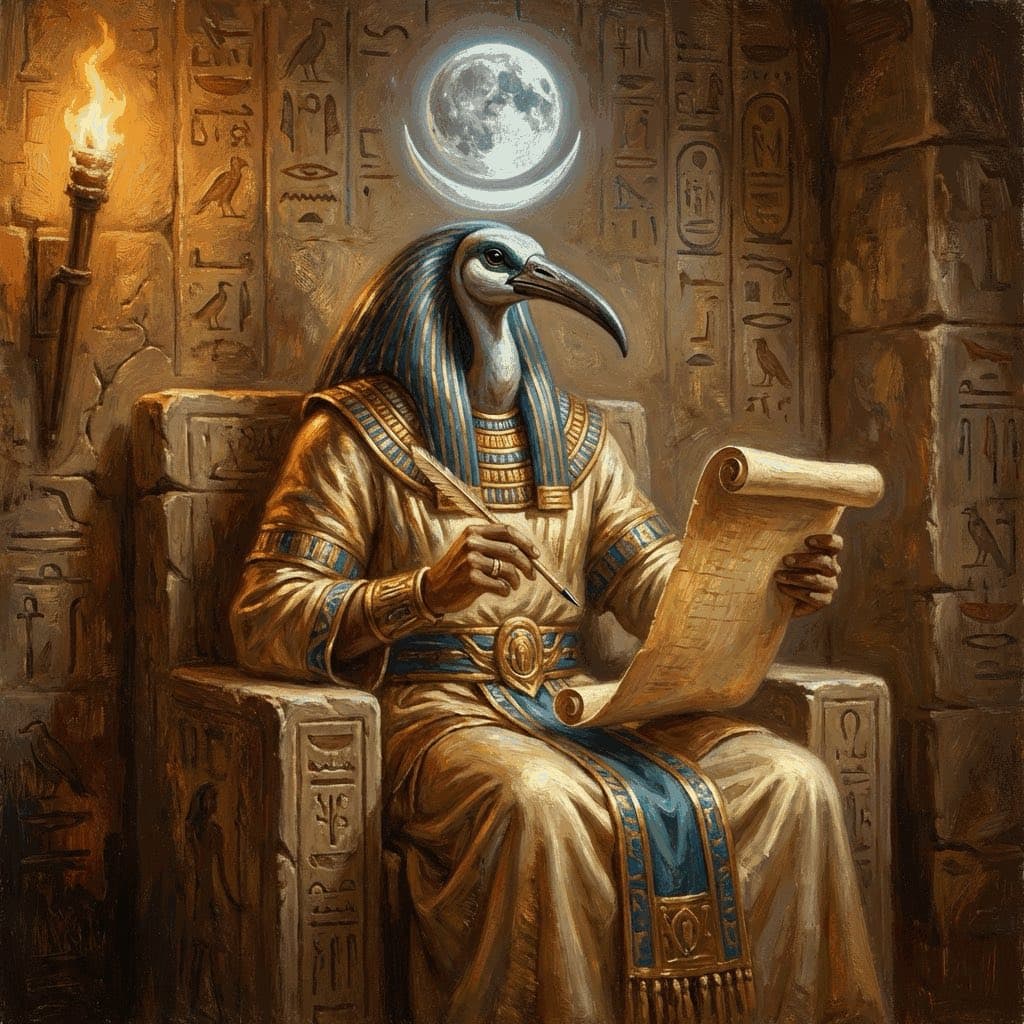
God of wisdom, writing, and magic. Inventor of hieroglyphs and scribe of the gods. He records the results of the weighing of hearts ceremony.
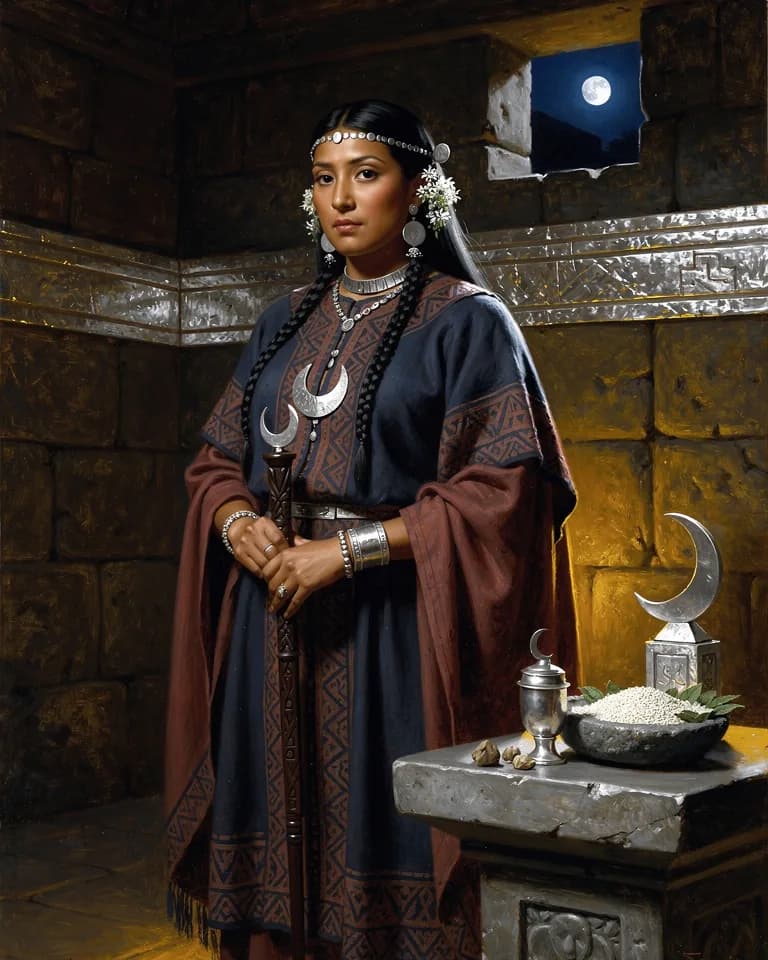
The Moon, sister and wife of the Sun in the Inca state cult, honored in a silver-lined chamber of the Coricancha and associated with the queen and with the reckoning of months and festivals.
The brother who became the moon after pursuing his sister, the sun, across the sky; in Iglulik tradition the Moon Spirit also helps angakkuit, watches over hunting and the birth of children, and punishes those who break taboos.
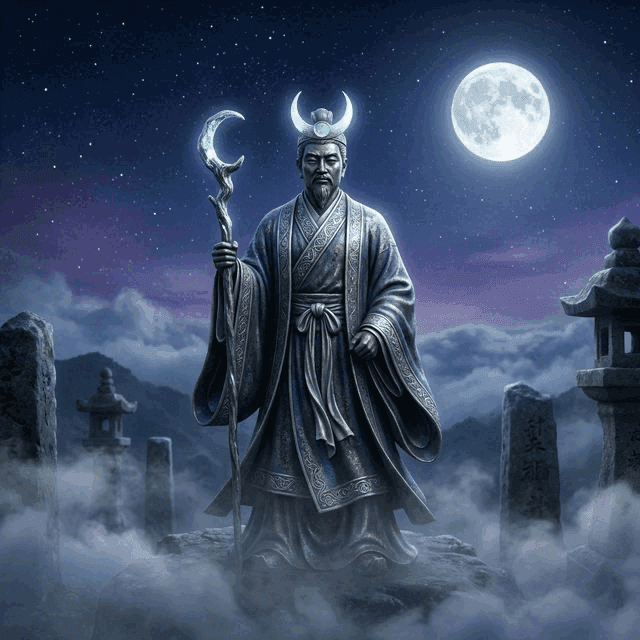
God of the moon and night. Brother of Amaterasu and Susanoo. Represents night, time, and the lunar cycle. Ruler of the night realm.
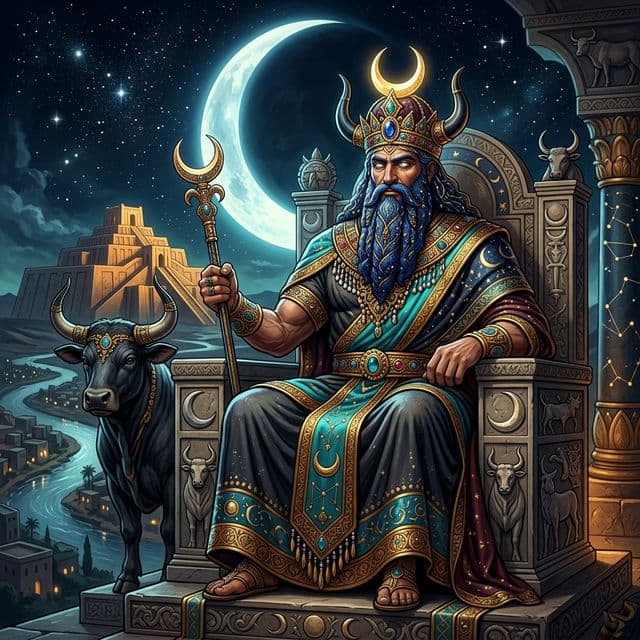
The moon god and lord of the night sky. Sin is the father of the sun god Shamash and the goddess Inanna, and the keeper of time through the lunar calendar.
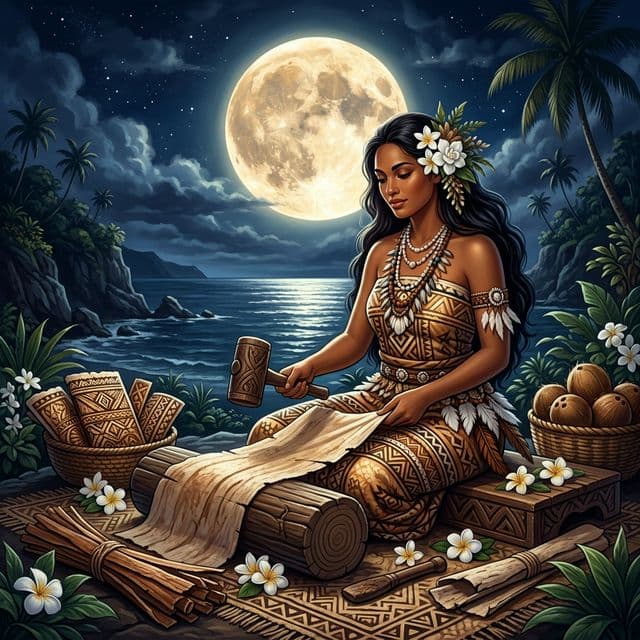
The goddess of the moon and women's arts, particularly the making of tapa cloth. Hina appears in many forms across Polynesia, sometimes as the mother of Maui, sometimes as a goddess who fled to the moon.
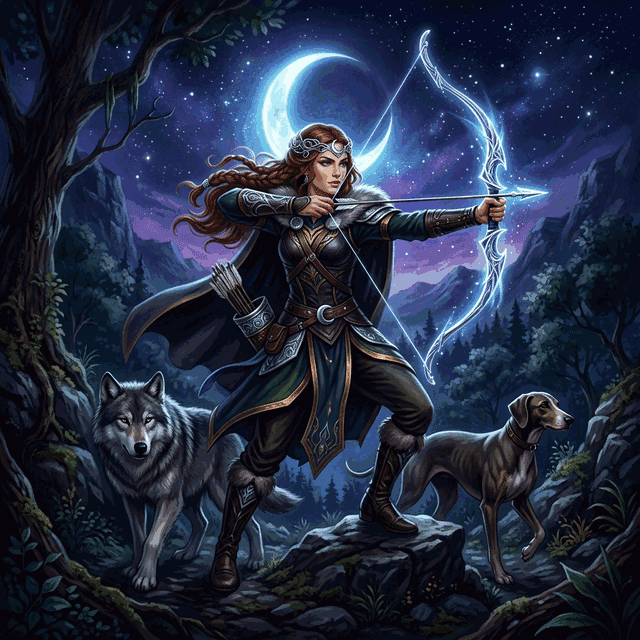
Goddess of the hunt, wild animals, wilderness, and the moon. Protector of women in childbirth. Twin sister of Apollo. Roman equivalent of Artemis.
Editorial comparisons recorded on these entries; a shared role does not establish a shared origin.
Artemis (Greek) and Diana (Roman)
Diana is the direct Roman equivalent, sharing all of Artemis's attributes as virgin huntress and moon goddess
Compare Artemis and DianaArtemis (Greek) and Tsukuyomi (Japanese)
Both are lunar deities, though Tsukuyomi is male and rules the night rather than the hunt
Compare Artemis and TsukuyomiTsukuyomi (Japanese) and Chang'e (Chinese)
Chang'e already lists Tsukuyomi; both are lunar deities associated with the moon's isolation and beauty
Compare Tsukuyomi and Chang'eTsukuyomi (Japanese) and Coyolxauhqui (Aztec)
Coyolxauhqui already lists Tsukuyomi; both are moon deities born from a sibling conflict with a sun/light deity
Compare Tsukuyomi and CoyolxauhquiCoyolxauhqui (Aztec) and Selene (Greek)
Both are lunar goddesses who traverse the night sky
Compare Coyolxauhqui and SeleneChang'e (Chinese) and Artemis (Greek)
Both are moon goddesses associated with beauty and isolation
Compare Chang'e and ArtemisSin (Mesopotamian) and Thoth (Egyptian)
Both are moon gods associated with wisdom and the measurement of time
Compare Sin and ThothIx Chel (Mesoamerican) and Artemis (Greek)
Both are moon goddesses associated with childbirth
Compare Ix Chel and ArtemisHina (Polynesian) and Artemis (Greek)
Both are moon goddesses associated with femininity
Compare Hina and ArtemisSelene (Greek) and Sin (Mesopotamian)
Both are the moon personified and linked to the reckoning of months, though Nanna is a major city god and Selene had little cult
Compare Selene and SinSelene (Greek) and Tsukuyomi (Japanese)
Both are moon deities born as siblings of the sun
Compare Selene and TsukuyomiAnningan (the Moon Man) (Inuit) and Tsukuyomi (Japanese)
Both are male moon figures whose separation from the sun explains why sun and moon are never together; the stories are otherwise unrelated.
Compare Anningan (the Moon Man) and TsukuyomiBuilt from each deity's catalog entry (matching “moon”, “the moon”). See every domain side by side on Divine Domains, or browse every cross-pantheon parallel.