Mythos Atlas

Side by sideParallel across traditions

Purusha vs Ymir

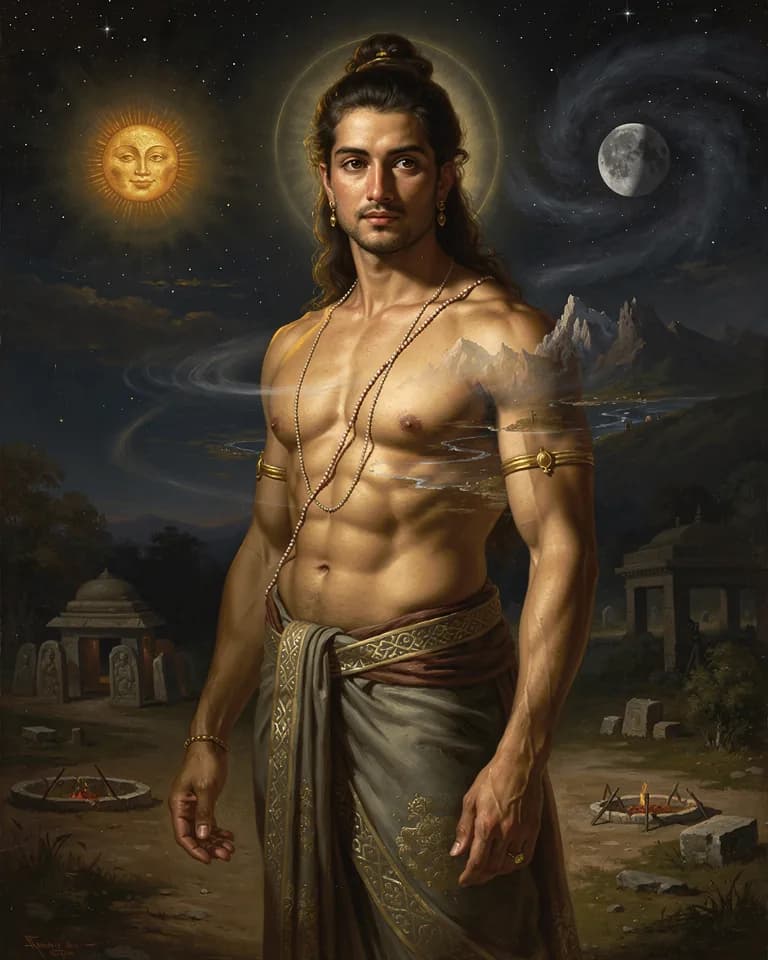
Purusha
PurushaHindu
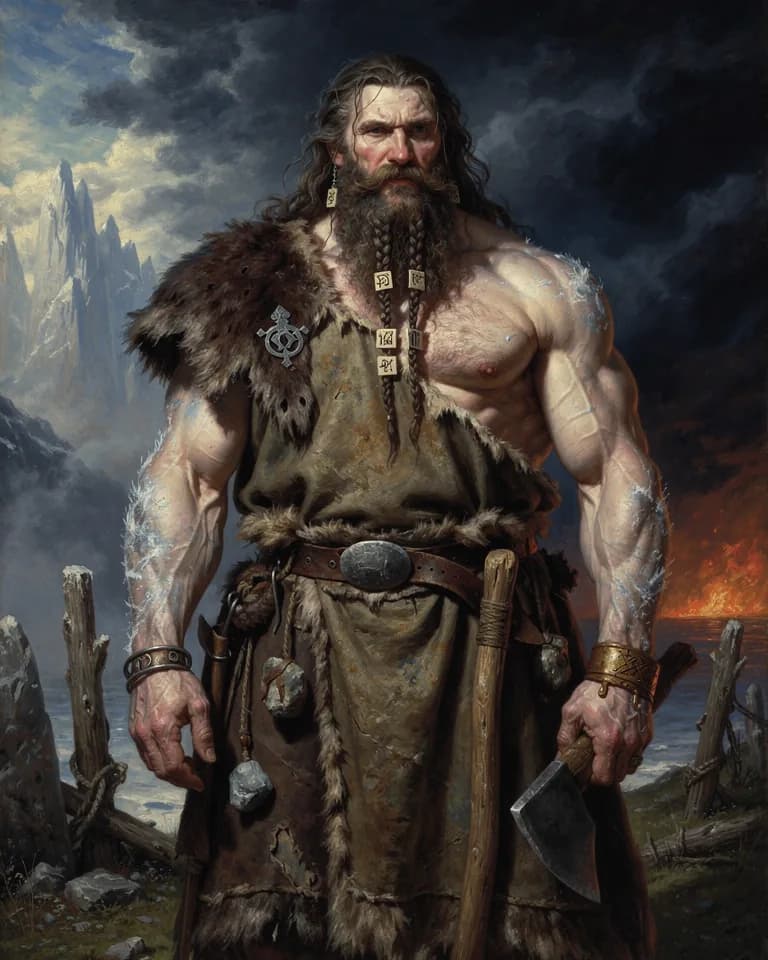
Ymir
YmirNorse

Both are primordial beings killed or sacrificed by the gods so that the world can be made from their bodies.

At a glance

Purusha and Ymir compared
PurushaYmir
TraditionHindu PantheonNorse Pantheon
Domainsthe cosmos, sacrifice, creation, the social orderprimordial chaos, the origin of the frost giants, the material of creation
Symbolsa thousand heads, eyes, and feet, the sacrificial victimice, primordial fog (Ginnungagap)
Also calledPurusa, Puruṣa, the Cosmic PersonAurgelmir

Where they meet

The atlas records no domain or symbol that Purusha and Ymir share.

They are compared for the part each plays in their own tradition rather than for any attribute in common.

Where they part

Only Purusha

Associated with the cosmos, sacrifice, creation, and the social order.

Only Ymir

Associated with primordial chaos, the origin of the frost giants, and the material of creation.

How each was worshipped

Purusha

The Purusha Sukta is recited in Vedic and temple ritual, including daily worship of Vishnu, rather than Purusha receiving a separate cult.

Ymir

Cult sites
No attested cult site; Ymir belongs to cosmogonic myth rather than devotional practice

Ymir was not an object of worship. He belongs to the cosmogonic layer of Norse myth preserved by poets and by Snorri, explaining the material origin of the world rather than receiving offerings himself.

The two figures

Hindu Pantheon

Purusha

The primordial cosmic being of Rigveda 10.90, the Purusha Sukta, whom the gods sacrificed so that the world could be made from his body: the sun from his eye, the moon from his mind, the sky from his head, the earth from his feet, and the four social classes from his mouth, arms, thighs, and feet.

Rigveda 10.90 says that from Purusha was born Viraj, and from Viraj Purusha again, a paradox of mutual origin. The gods then bound him as their sacrificial victim and made the ordered world from his divided body.

The Purusha Sukta (Rigveda 10.90) describes a cosmic Person with a thousand heads, eyes, and feet who covers the earth and extends beyond it. All creatures are a quarter of him; three quarters are immortal in heaven.

Read the full Purusha entry

Norse Pantheon

Ymir

The first living being, formed when the fire of Muspelheim met the ice of Niflheim in the void of Ginnungagap. Ymir is the ancestor of all frost giants and, after being slain by Odin and his brothers, his body became the physical material of the world.

Ymir formed in the void of Ginnungagap where the fire of Muspelheim met the ice of Niflheim. Nourished by the cow Audhumla, he became the ancestor of the frost giants before being killed by Odin and his brothers, who used his body to construct the physical world.

According to Snorri Sturluson's *Prose Edda*, before there was anything else, there was Ginnungagap, a yawning void between the fire of Muspelheim and the ice of Niflheim. Where the rime and the sparks met and thawed, life quickened, and the first being, the giant Ymir, took shape from the dripping ice.

Read the full Ymir entry
About this comparison

Comparisons pair figures that play a similar role across traditions, or that the myths connect within one. A shared role does not, by itself, establish a shared origin.