Hittite Pantheon
Inara
dInara(Inar(a))
Also known as Inar
- wild animals
- protection
- the hunt
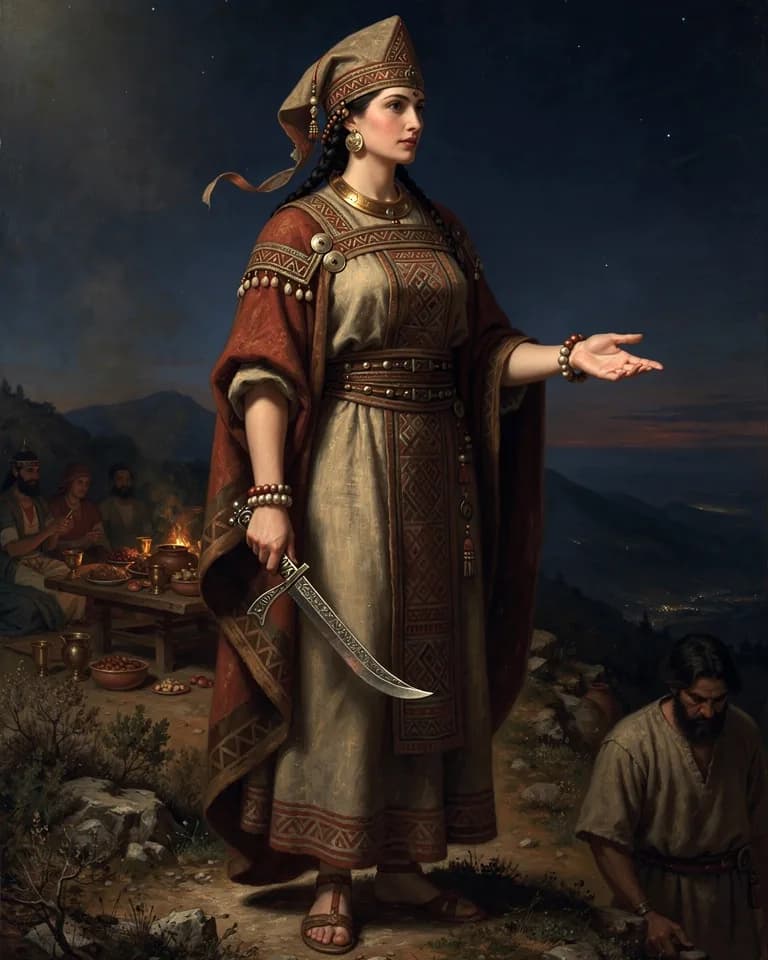
A Hattian goddess of the wild who helps the Storm-god defeat the serpent Illuyanka by laying out a great feast and recruiting the mortal Hupašiya.
About Inara
The goddess of the first Illuyanka tale
Inara is a Hattian protective goddess associated with wild animals, known above all from the first version of the Illuyanka story. After the Storm-god is beaten by the serpent, Inara prepares a feast with vessels of wine and other drinks, and goes to the town of Zigaratta, where she meets a mortal man, Hupašiya. He agrees to help on condition that he may sleep with her; she agrees, hides him near the feast, and lures the serpent and its children out. When they have eaten and drunk so much that they cannot fit back into their hole, Hupašiya ties them up with a rope and the Storm-god kills them.
The house on the cliff
The sequel is strange and only partly preserved. Inara builds a house on a cliff in the land of Tarukka and installs Hupašiya there, forbidding him to look out of the window while she is away. He disobeys, sees his wife and children, and begs to go home. At this point the tablet breaks; most scholars infer that Inara punished him, but the text does not say so, and this site does not supply an ending.
A protective deity
Outside this story, Inara belongs to a group of Hittite protective deities of the countryside, sometimes linked with the stag god of the wild. Her role in the myth, turning the Storm-god's defeat into victory through planning rather than force, is characteristic of the Anatolian tales, in which the storm-god rarely wins alone.
Worship and cult
Temples, festivals, and practices recorded for Inara
Received offerings among the protective deities of the countryside in Hattian-derived festivals.
Festivals
- Invoked in festival texts of the Hattian cult
In the atlas
Where Inara appears
Sources and further reading
Source notes
These references are recorded in the catalog. Their passage wording and translation have not been checked, so quotations are not displayed here.
- Illuyanka tales, first version, CTH 321, trans. H. A. Hoffner Jr., Hittite Myths
Appears in
Ancient and classical works featuring this figure.
prepares the feast that traps the serpent (Illuyanka tales, first version (CTH 321))
Further reading
The two versions of the Illuyanka story
About this entry
By Elizabeth Stein for Mythos Atlas. About the author. Editorial notes are grounded in the site's cited sources and can be challenged through the contact page.
Parallels are editorial comparisons across traditions: a shared role does not, by itself, establish a shared origin.
Genealogy
Family tree
Inara's parents, consorts, children and rivals, as recorded in the atlas.