Anatolia (central Türkiye) and northern Syria
Hittite Pantheon
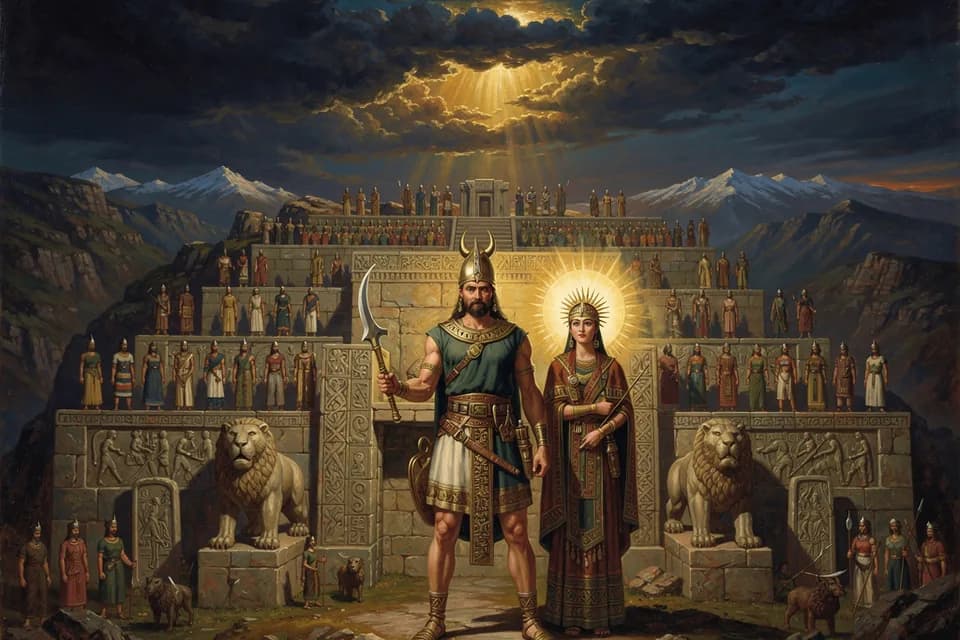
The "thousand gods of Hatti": the layered pantheon of the Hittite kingdom, where a native storm-god and sun-goddess stood beside Hattian local deities and Hurrian gods whose myths, the Song of Kumarbi and the Song of Ullikummi, were translated into Hittite at the capital Hattusa.
History and context
A pantheon assembled, not inherited
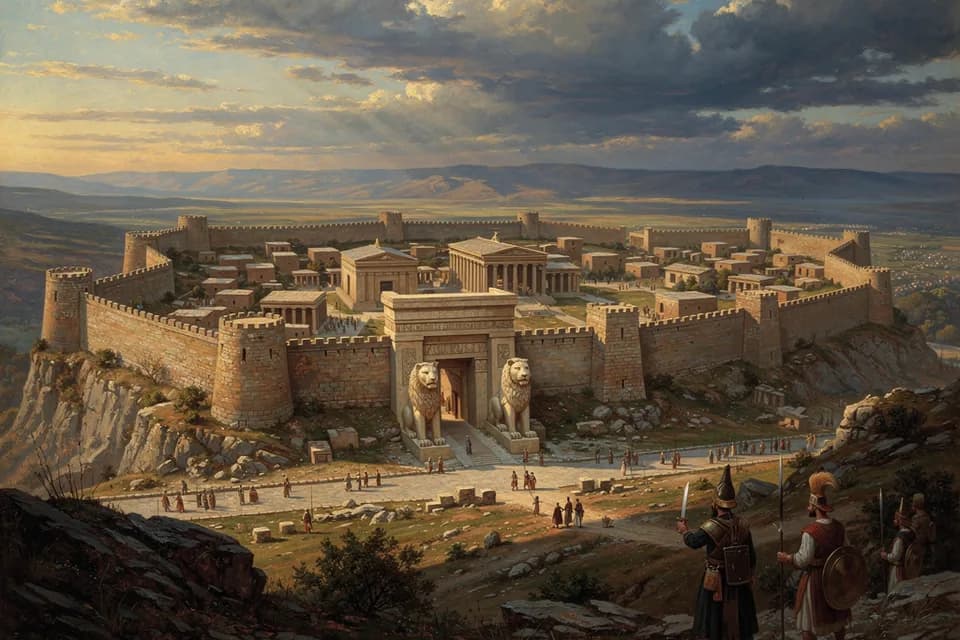
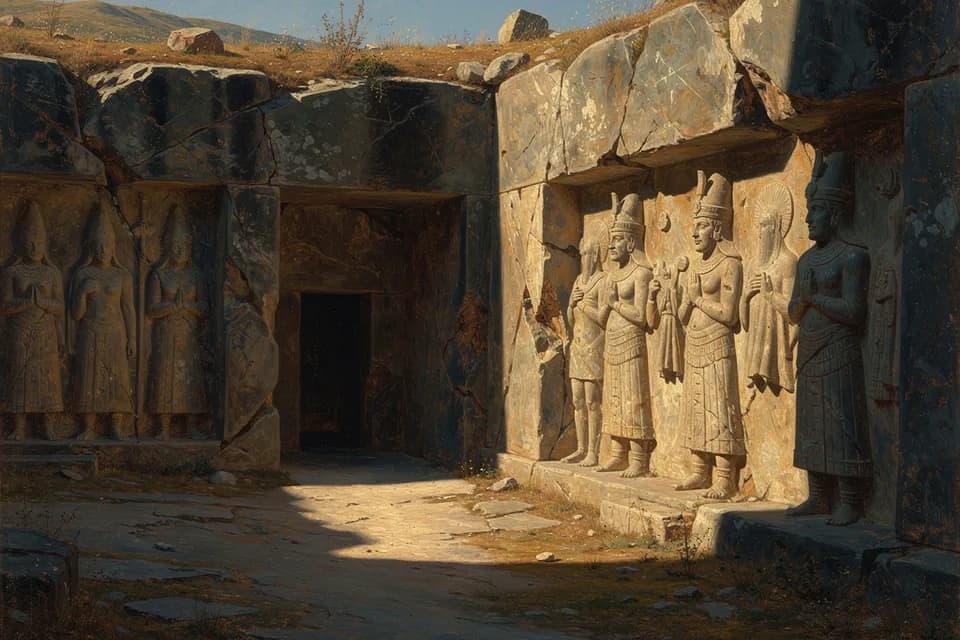
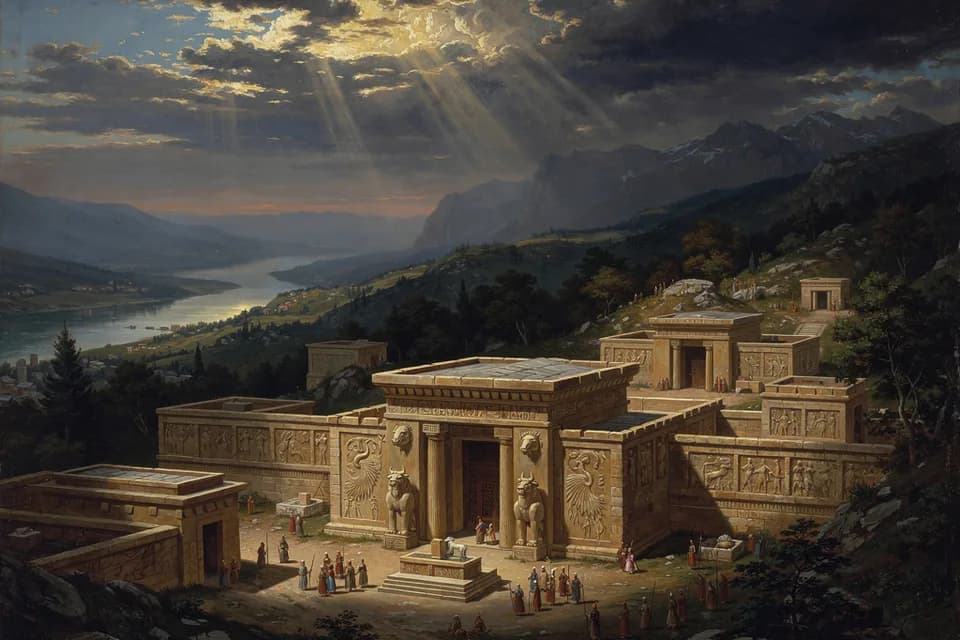
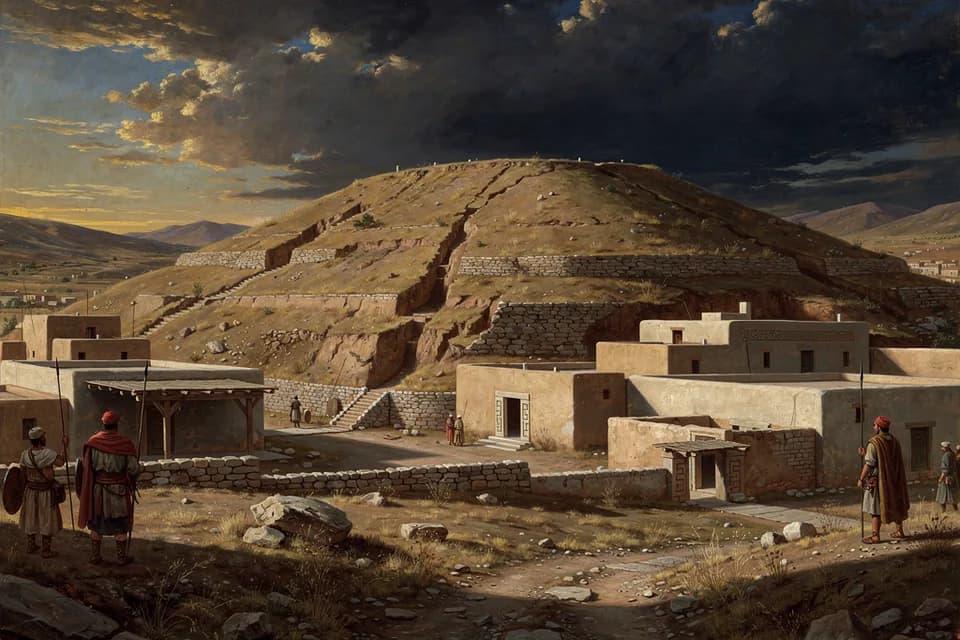
The Hittite kings of the Late Bronze Age (from about 1650 BCE until the collapse of the kingdom around 1180 BCE) ruled from Hattusa, near modern Boğazkale in central Türkiye, and their scribes spoke of "the thousand gods of Hatti" when they listed the divine witnesses to a treaty. The phrase was not an exaggeration so much as an honest description of how the pantheon was built: the Hittites, speakers of an Indo-European language, settled among the Hattians, a non-Indo-European people whose gods (the Storm-god of Nerik, the Sun-goddess of Arinna, Telipinu, Inara) they kept; they absorbed Luwian and Palaic deities from neighbouring Anatolian peoples; and from the fifteenth century BCE onward they took in the gods of the Hurrians of northern Syria and Mesopotamia, including Teššub, Hebat, Šauška, and Kumarbi. Rather than replacing local gods, Hittite religion tended to add them, so that the same storm-god might be worshipped under a Hattian, a Hittite, and a Hurrian name in different rites.
Where the myths come from, and why that matters
Almost everything on this site about Hittite myth comes from clay tablets excavated at Hattusa since 1906, the archive that allowed Bedřich Hrozný to identify Hittite as an Indo-European language in 1915. Two very different kinds of story survive. The Illuyanka tales and the myth of Telipinu's disappearance are Anatolian and Hattian in origin, and they survive because they were written down as part of rituals and festivals: the Illuyanka story was recited at the Purulli festival of Nerik, and the Telipinu story sits inside an invocation meant to coax an angry god home. The Song of Kumarbi, the Song of Ullikummi, and the Song of Hedammu, by contrast, are Hurrian literary compositions translated into Hittite; Hurrian-language fragments of the same cycle also survive, and its gods, places, and even its hero Teššub are Hurrian. Modern scholars group these songs as the Kumarbi cycle. This site marks the difference on every story, because treating Hurrian songs as native Hittite myth, a common simplification, hides how the pantheon was actually put together.
Fragmentary texts
Nearly every one of these compositions is broken. Tablets are damaged, columns are missing, and several endings, including the end of the Song of Ullikummi, are simply lost. Where this site retells a story, it follows the translations of Harry A. Hoffner Jr. (Hittite Myths, 2nd ed., 1998) and marks gaps as gaps rather than filling them from later Greek parallels. Text numbers in the Catalogue des Textes Hittites (CTH), the standard reference system for Hittite compositions, are given so readers can find each text in any modern edition.
Why Hittite myth matters beyond Anatolia
The Kumarbi cycle's succession of sky-kings (Alalu, then Anu, then Kumarbi, then the storm-god) and its castration and swallowing episodes are the closest known Near Eastern parallel to Hesiod's Theogony, and the storm-god's battle with the serpent Illuyanka belongs to a wide family of storm-god-versus-serpent stories stretching from Ugarit to Scandinavia. This site notes those parallels where they are well established, while treating the Hittite and Hurrian texts on their own terms first.
Cosmology
Heaven, the Dark Earth, and the Giant in the Sea
Hittite texts describe heaven above, the land of the living, and the Dark Earth below, where the Former Gods and sealed-away evils lie; the Hurrian Song of Ullikummi adds Upelluri, the giant in the sea on whom heaven and earth were built.
Upelluri: · In the Hurrian Song of Ullikummi, Upelluri is a giant standing in the sea on whom heaven and earth were built and then cut apart. He is not attested in native Anatolian myth, so this axis belongs to the Hurrian strand of the pantheon only.
Heaven
AboveHeaven (nepiš)nepiš
The seat of kingship among the gods, ruled in turn by Alalu, Anu, Kumarbi, and the storm-god in the Hurrian songs.
The land
MiddleThe land of Hatti
The land of the living, whose fertility depends on gods such as Telipinu staying present and content; the Sun-goddess of Arinna is its queen.
Visit HattusaUrkeš
Kumarbi's city in the Hurrian songs, from which he plots against Teššub.
Visit Urkeš (Tell Mozan)
The sea
WatersThe Dark Earth
BelowThe Dark Earthdankui tekan
The underworld behind seven doors and seven bolts, where bronze vessels with lead lids hold what must never return, and where the Former Gods, among them Alalu, were banished.
 Tarhunna (the Storm-god of Hatti)
 Šauška
 Sun-goddess of Arinna
 Telipinu
 Hannahanna
 Inara
Inara Kamrušepa
 Illuyanka
 Kumarbi
 Hedammu
 Ullikummi
 Sun-goddess of the Earth
 Alalu
AlaluSources
Works cited
Hittite Myths (2nd ed., SBL Writings from the Ancient World 2)
Harry A. Hoffner Jr. (translator)
The Kumarbi Cycle (Song of Kumarbi, Song of Hedammu, Song of Ullikummi), CTH 344-348
Hurrian compositions in Hittite translation, Hattusa archives
Hittite Prayers (SBL Writings from the Ancient World 11)
Itamar Singer
The Hittites and Their World
Billie Jean Collins
About this guide
By Elizabeth Stein for Mythos Atlas. About the author. Editorial notes are grounded in the site's cited sources and can be challenged through the contact page.
The catalog period is the span of the sources this atlas draws on, not the age of the tradition itself. Many traditions are older than their first written record, and many are still practised.
10 in the atlas
Deities
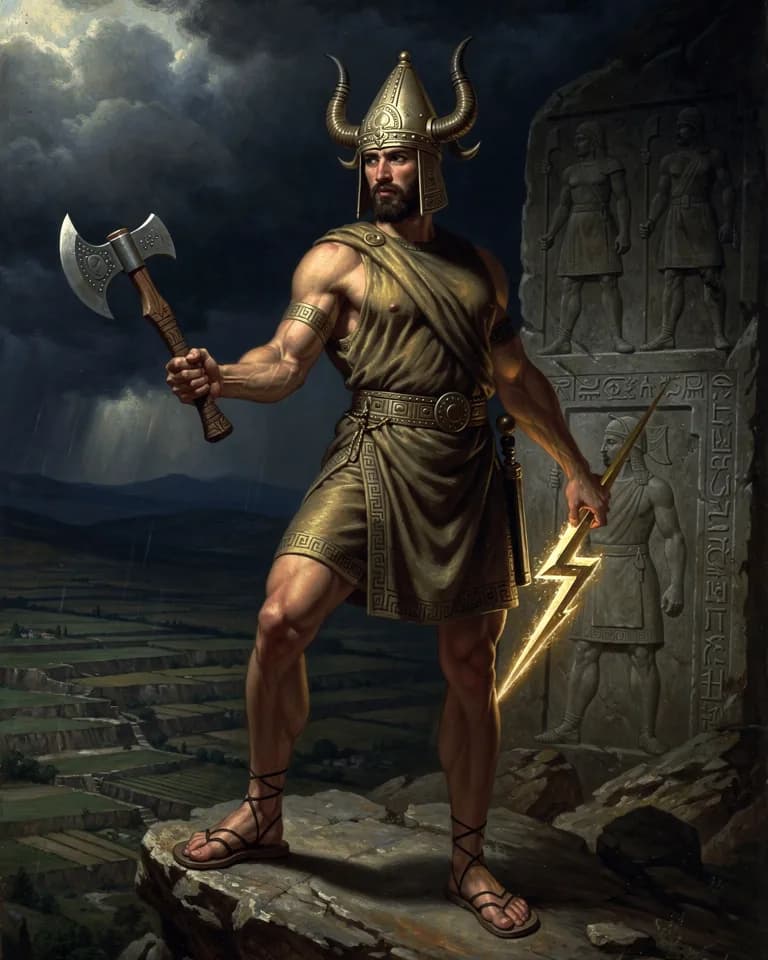 Tarhunna (the Storm-god of Hatti)storms, rain
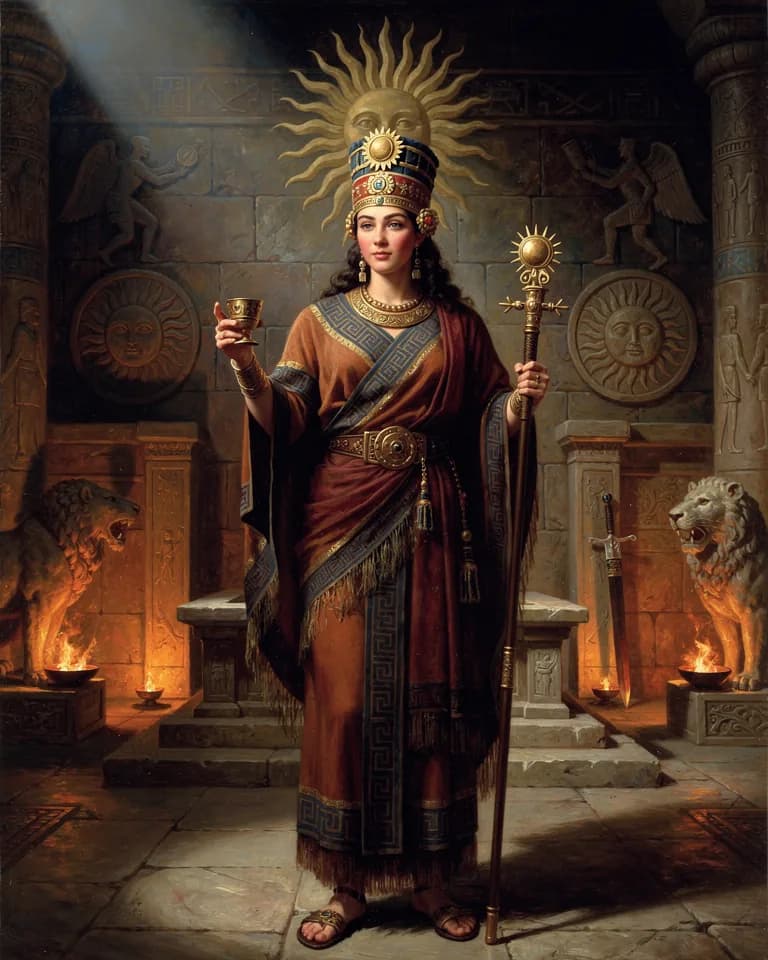 Sun-goddess of Arinnathe sun, kingship
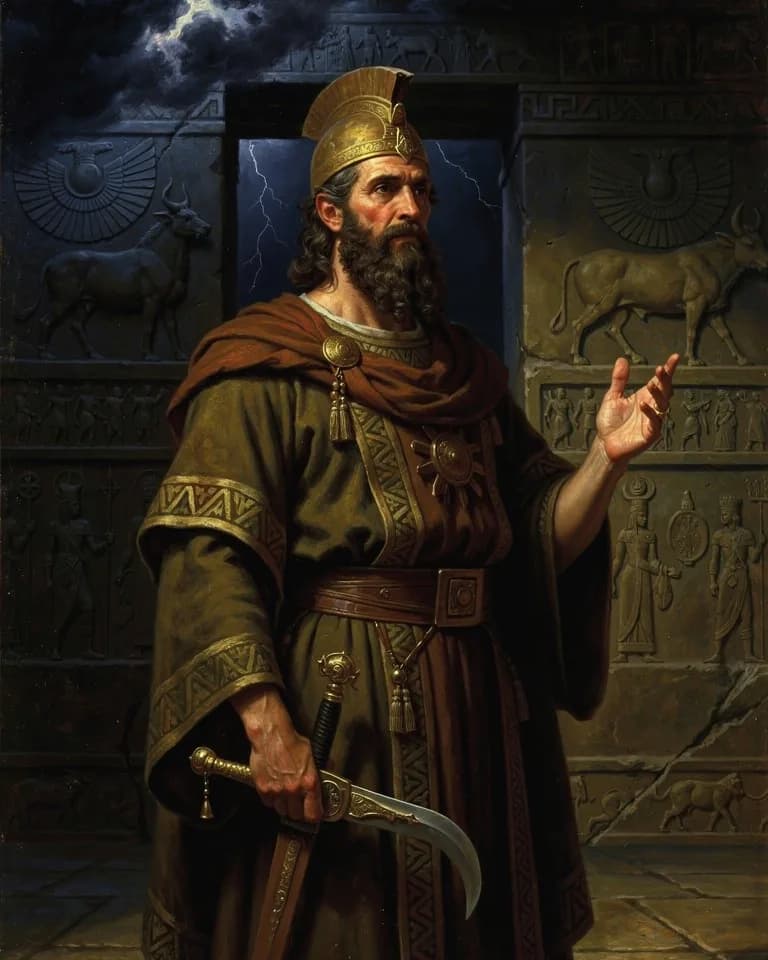 Kumarbithe older order of gods, grain
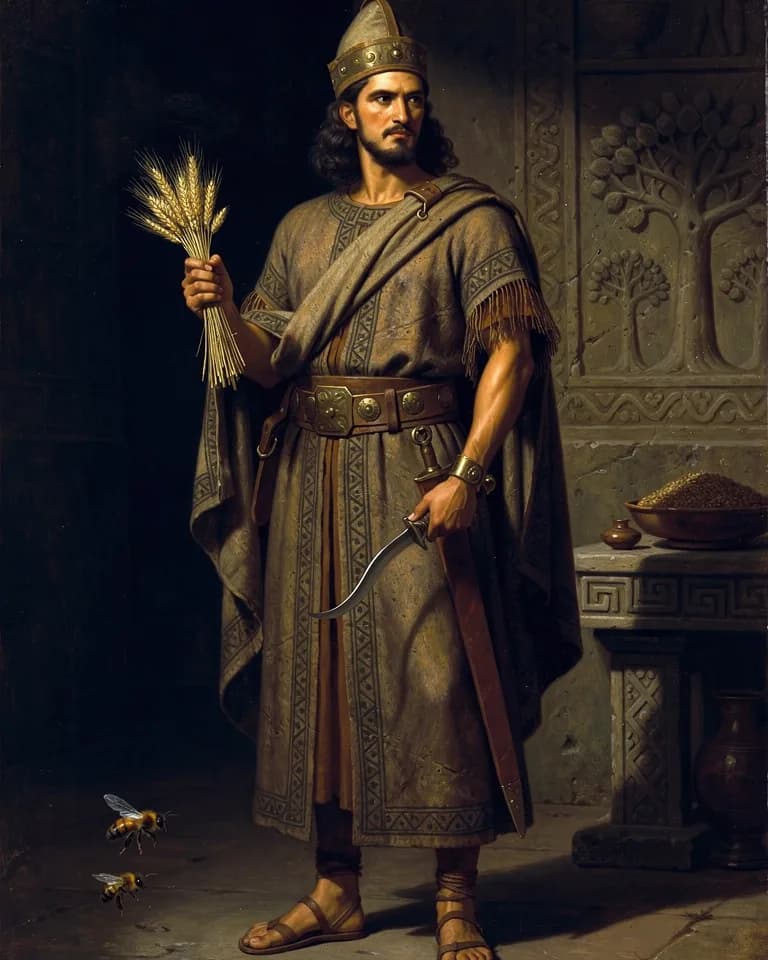 Telipinuagriculture, the growth of crops
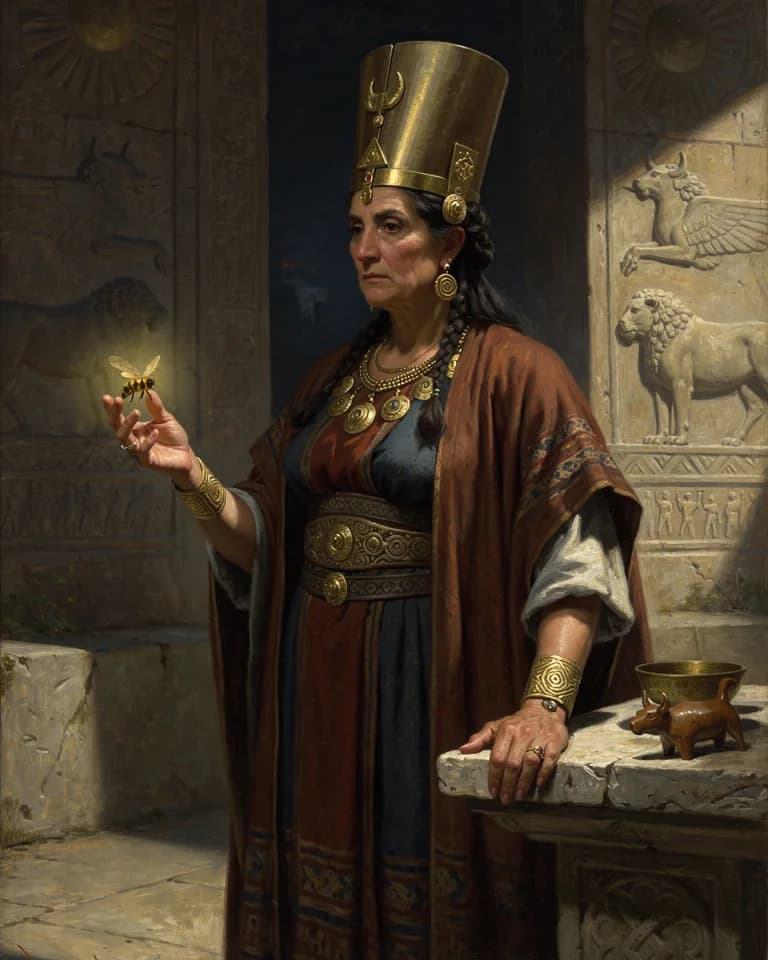 Hannahannabirth, motherhood
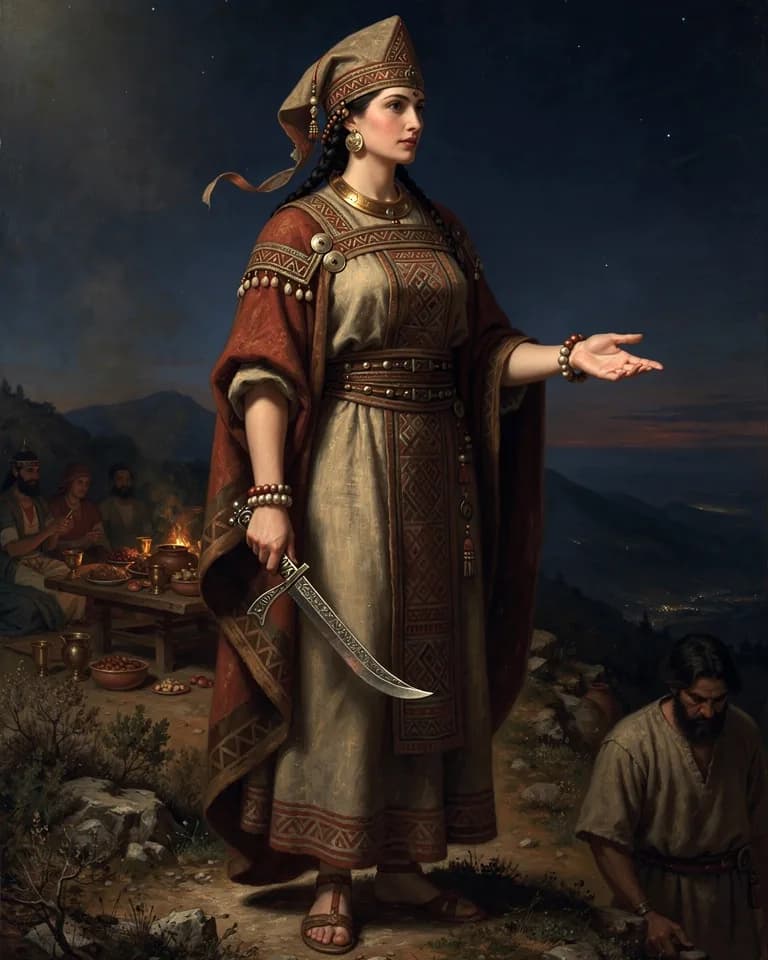 Inarawild animals, protection
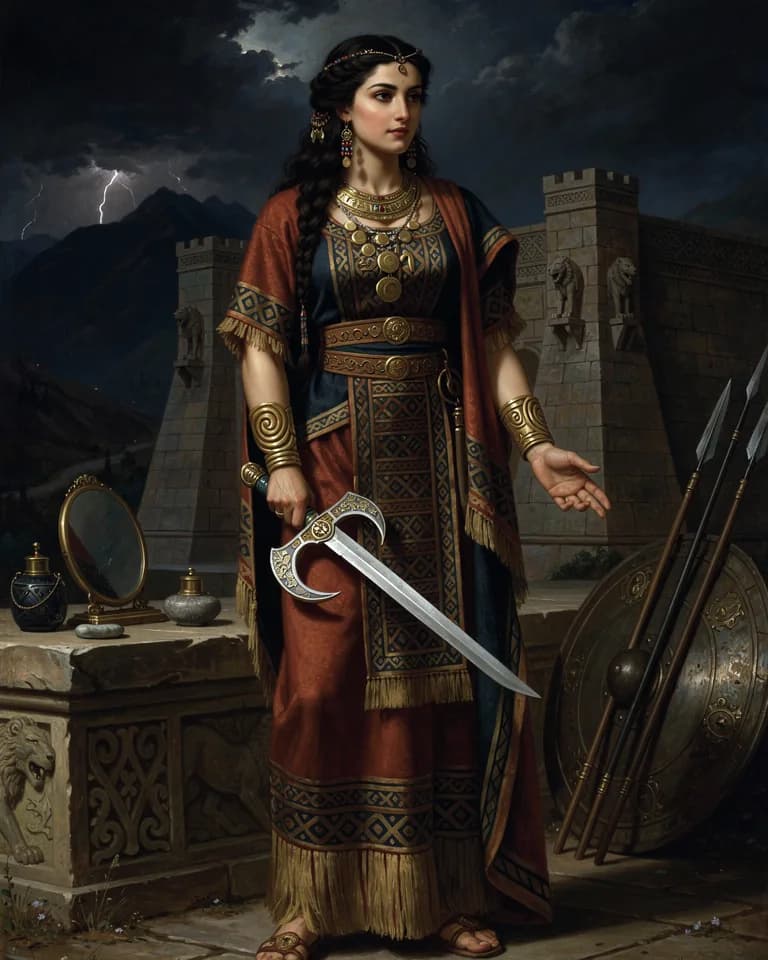 Šauškalove and sexuality, war
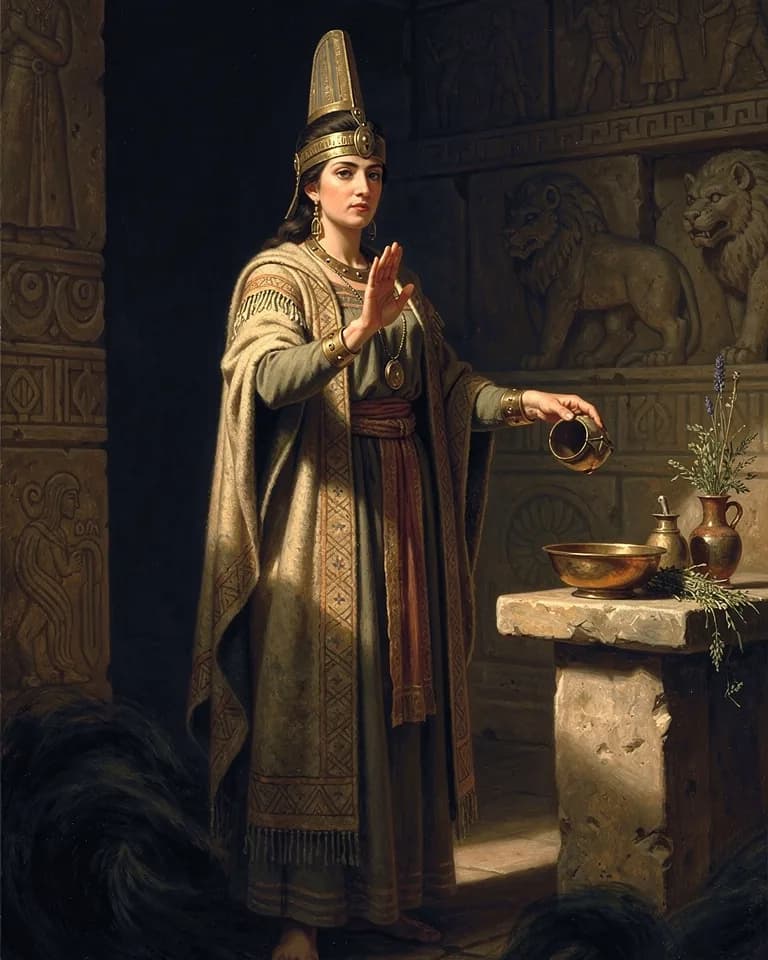 Kamrušepamagic, healing
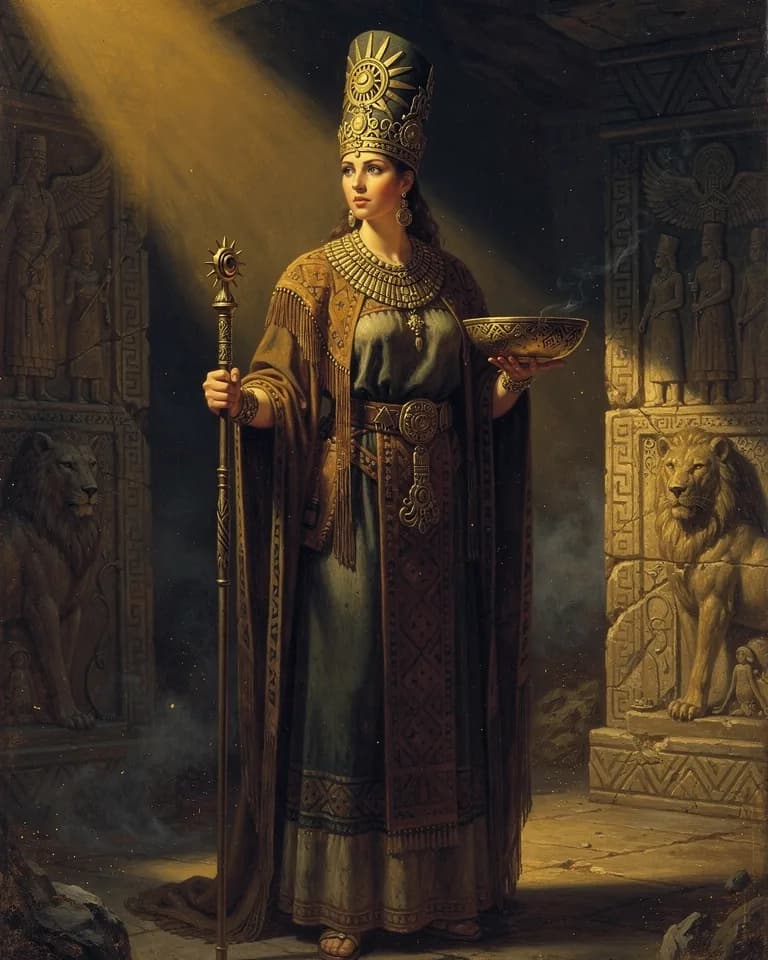 Sun-goddess of the Earththe underworld, the dead
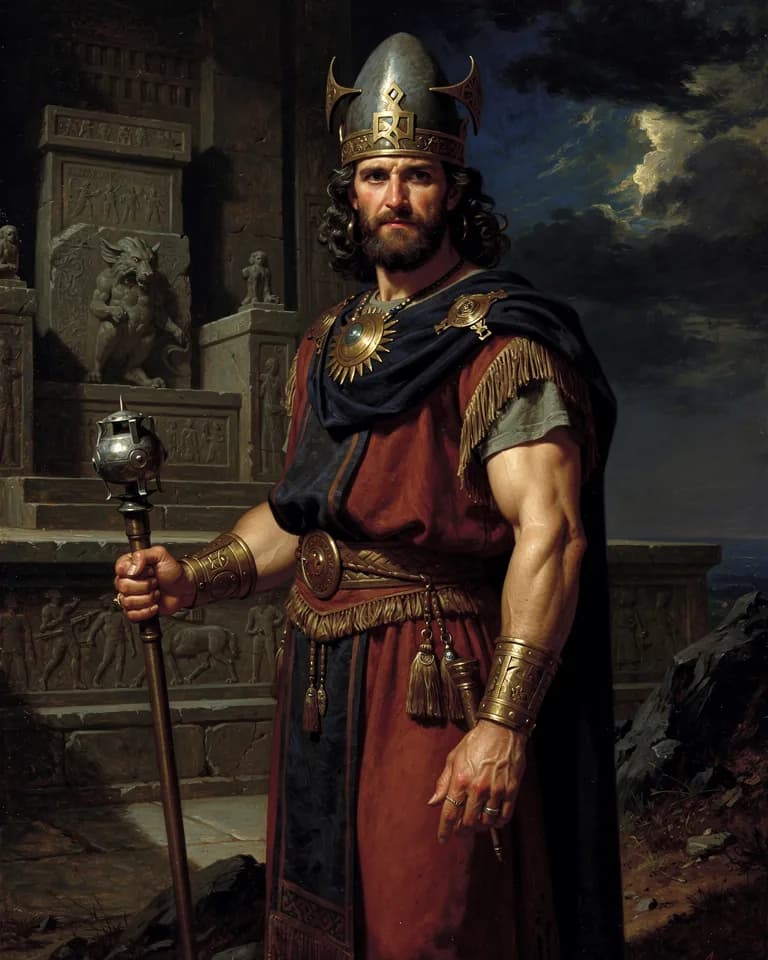 Alaluthe first kingship in heaven, the Former Gods
4 retold
Stories and myths
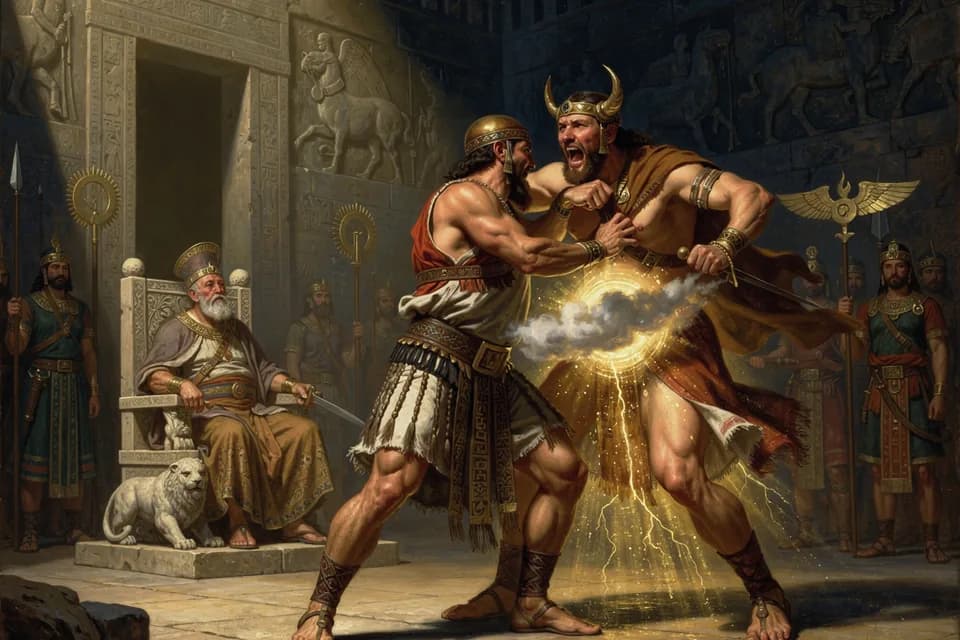 The Song of Kumarbi: Kingship in HeavencosmologyA Hurrian song, preserved in Hittite translation, in which kingship in heaven passes from Alalu to Anu to Kumarbi, who bites off Anu's loins and finds himself pregnant with the storm-god who will overthrow him.
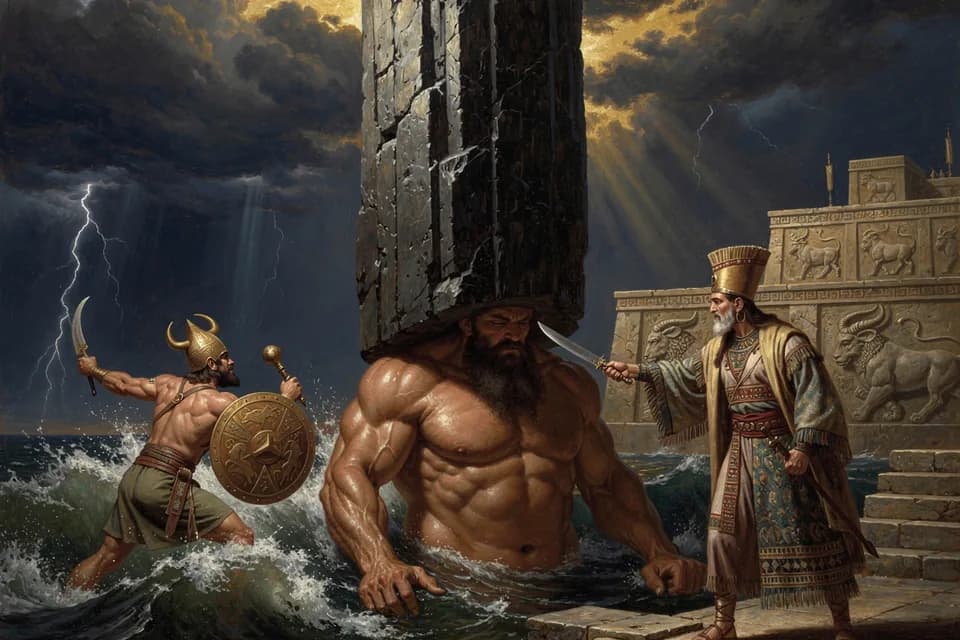 The Song of UllikummiwarKumarbi fathers a giant of basalt on a great rock and hides it on the shoulder of Upelluri in the sea, where it grows until it reaches heaven; Teššub is defeated until Ea cuts the monster from its base with the ancient copper tool that once separated heaven and earth.
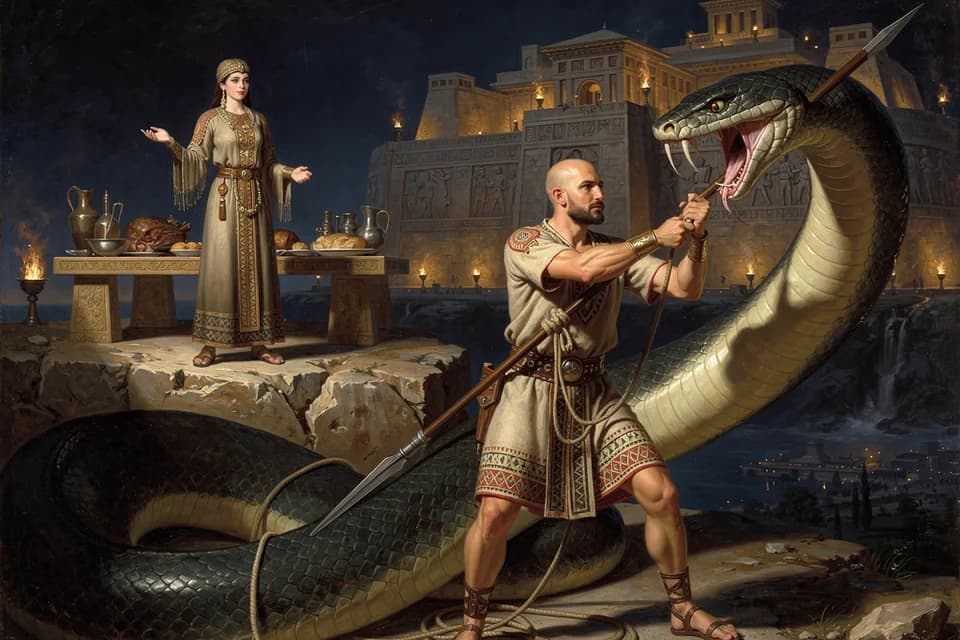 The Storm-god and the Serpent IlluyankawarTwo versions of an Anatolian myth recited at the Purulli festival of Nerik: in one the goddess Inara traps the serpent with a feast, in the other the Storm-god's son wins back his father's stolen heart and eyes.
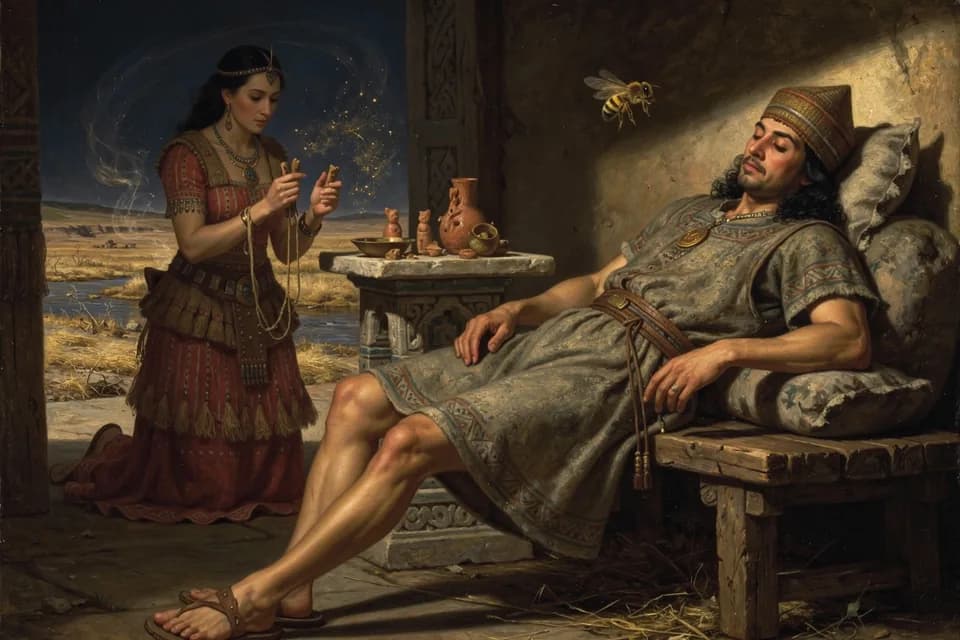 The Disappearance of TelipinumythThe farming god Telipinu leaves in anger and the land withers; after the gods' searches fail, Hannahanna's bee finds him asleep, and the goddess Kamrušepa's ritual locks his rage away in the Dark Earth.
4 in the atlas