Canaanite Pantheon (Ugarit)Mountain
Mount Zaphon (Jebel Aqra)
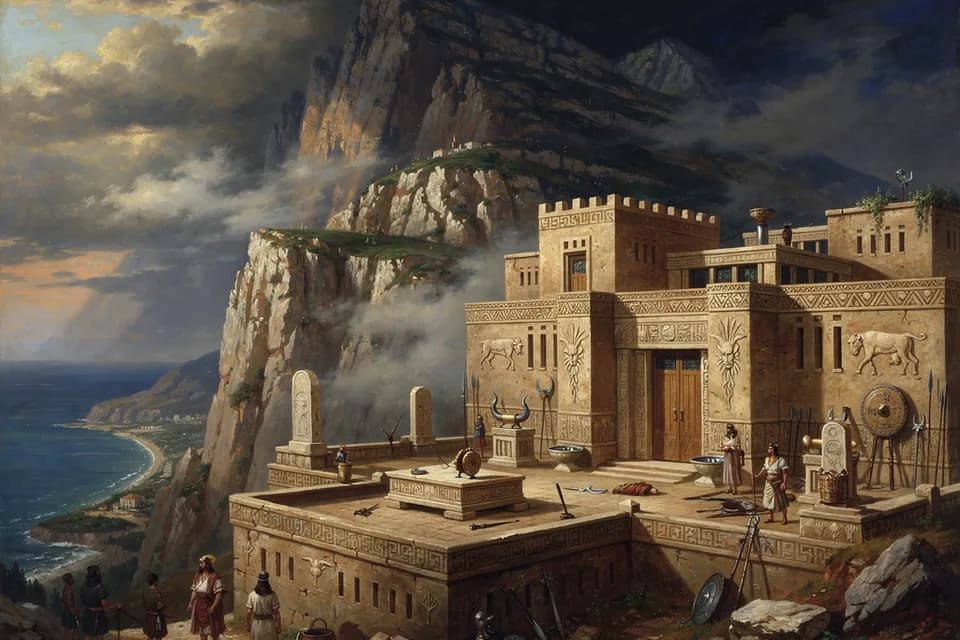
The mountain north of Ugarit, now Jebel Aqra on the Syrian-Turkish border, where Baal's palace stands in myth; the Hurrian-Hittite Mount Hazzi and the Greek Mount Kasios.
About Mount Zaphon (Jebel Aqra)
Baal's mountain
Ṣapānu, Zaphon, is Baal's home in the Ugaritic texts. His palace is built on its heights, Anat buries his body there, and he and Mot fight their final battle on it. Baal is often called Baal of Zaphon, and Ugaritic ritual texts treat the mountain itself as divine, listing offerings to it.
A real mountain
Zaphon is Jebel Aqra (Kel Dağı in Turkish), rising about 1,700 metres from the coast at the mouth of the Orontes, some 40 kilometres north of Ugarit and visible from the city. Storms build over it from the sea, which suits a storm-god's seat.
One mountain, many gods
The same mountain was Mount Hazzi to the Hurrians and Hittites, where the storm-god Teššub climbs to look at the stone giant Ullikummi, and Mount Kasios to the Greeks, where Zeus Kasios was worshipped and where some Greek sources place Zeus's battle with Typhon. The Hebrew word ṣāpôn, "north", derives from the mountain's name, and Psalm 48 describes Mount Zion as "the heights of Zaphon". Few places in the ancient world show so clearly how one sacred landscape passed between traditions.
On the map
Mount Zaphon (Jebel Aqra) among other places of the Canaanite Pantheon (Ugarit).
Sources and further reading
Source notes
These references are recorded in the catalog. Their passage wording and translation have not been checked, so quotations are not displayed here.
- Baal Cycle, KTU 1.6 I
About this entry
By Elizabeth Stein for Mythos Atlas. About the author. Editorial notes are grounded in the site's cited sources and can be challenged through the contact page.
Coordinates mark where the myths place a site, or where the tradition locates it today. Mythic realms are left off the map or marked as symbolic placements.