The Levant (coastal Syria, Lebanon, and Israel/Palestine)
Canaanite Pantheon (Ugarit)
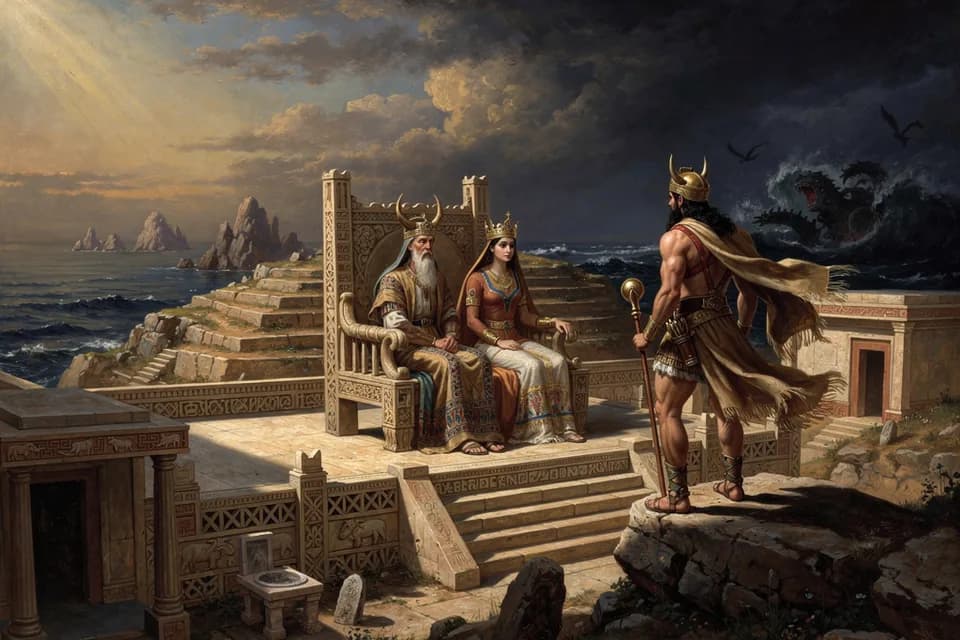
The gods of the Late Bronze Age Levant as the clay tablets of Ugarit preserve them: aged El and Lady Athirat at the head of the divine family, and the storm-god Baal, who defeats the Sea, builds his palace on Mount Zaphon, and is swallowed by Death before he returns.
History and context
Ugarit and the problem of the word "Canaanite"
Almost everything known in detail about the myths of the ancient Levant before the first millennium BCE comes from one city: Ugarit, on the Syrian coast at Ras Shamra, north of modern Latakia. In 1928 a farmer's plough broke into a tomb nearby; excavations led by Claude Schaeffer from 1929 uncovered a wealthy port city, destroyed around 1185 BCE, and archives written in a previously unknown alphabetic cuneiform of thirty signs. The mythological poems on this site come from those archives. "Canaanite" is the conventional scholarly label for the shared West Semitic religion of the Levant, and it is used here for that reason; but the people of Ugarit did not call themselves Canaanites (an Ugaritic text lists a "Canaanite" as a foreigner), and the Ugaritic myths should not be assumed to describe every Levantine city. Where later Phoenician or biblical evidence differs, this site says so.
The texts and their scribe
The three great narrative poems, the Baal Cycle (KTU 1.1-1.6), the Epic of Aqhat (KTU 1.17-1.19), and the Epic of Kirta (KTU 1.14-1.16), survive on tablets copied in the late thirteenth or early twelfth century BCE. Several carry a colophon naming the scribe Ilimilku, who worked under a king Niqmaddu, although the poems themselves are older. All are damaged: whole columns are missing, the order of the Baal tablets is partly reconstructed, and the endings of Aqhat and Kirta are lost. Citations here use the standard KTU numbering (Keilalphabetische Texte aus Ugarit, also published in English as CAT), by tablet and column, so readers can check any retelling against a modern translation such as those of Mark S. Smith, Simon B. Parker, Edward L. Greenstein, and Nicolas Wyatt.
The divine family
At the head of the pantheon stands El (Ilu), the aged "Father of Years" and "Bull El", creator of creatures, who presides over the assembly of the gods from his dwelling at the source of the two rivers. His consort is Athirat, "Lady Athirat of the Sea", mother of the seventy gods. The drama of the myths, though, belongs to a younger generation: Baal (Baʿlu Haddu), the storm-god of rain and fertility, "Rider of the Clouds", who is called the son of Dagan; his fierce sister-ally Anat; the Sea (Yamm) and Death (Mot), both favourites of El; the craftsman god Kothar-wa-Khasis; and the sun-goddess Shapash, who sees everything as she crosses the sky and the underworld.
Why these texts matter
The Ugaritic poems are the closest surviving literary context for the Hebrew Bible's poetry. Biblical texts use the same divine names (El, Baal, Asherah), the same image of a storm-god riding the clouds, and even nearly the same words: Isaiah 27:1 describes "Leviathan the twisting serpent" in terms close to the Ugaritic description of Litan. The relationship is one of shared language and imagery across a region, not of one text copying another, and this site describes Ugaritic religion on its own terms rather than as background to the Bible. Readers of Jewish and Christian scripture should also know that biblical polemic against "Baal" and "Asherah" was written centuries later and from a very different standpoint; the Ugaritic texts are the only surviving account of these gods from their own worshippers.
Cosmology
Zaphon, the Sea, and the Throat of Death
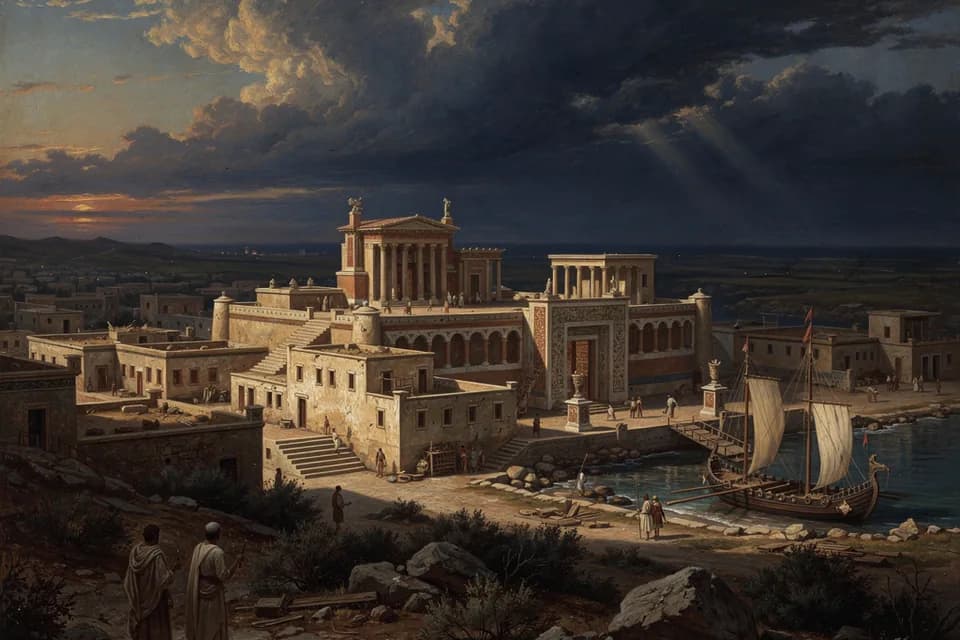
Ugaritic myth places Baal's palace on Mount Zaphon, El's pavilion at the source of the cosmic rivers, the Sea as a rival power, and Mot's muddy city below the earth, entered through his throat.
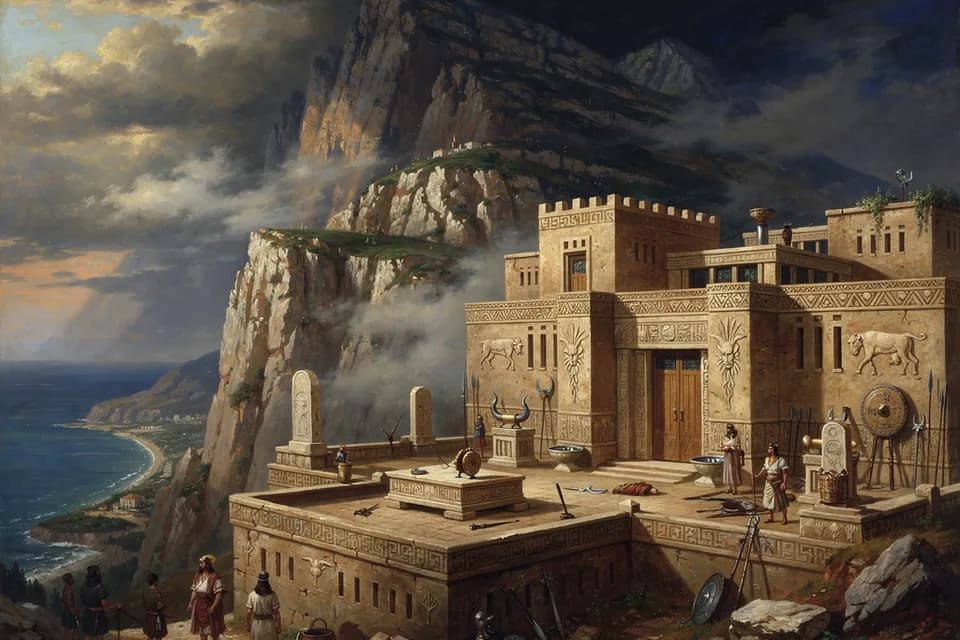
Mount Zaphon: · Baal's mountain, the real Jebel Aqra north of Ugarit, where his palace, his burial, and his final battle with Mot take place; it links the storm in the sky to the land below.
El's domain
BeyondThe source of the two rivers
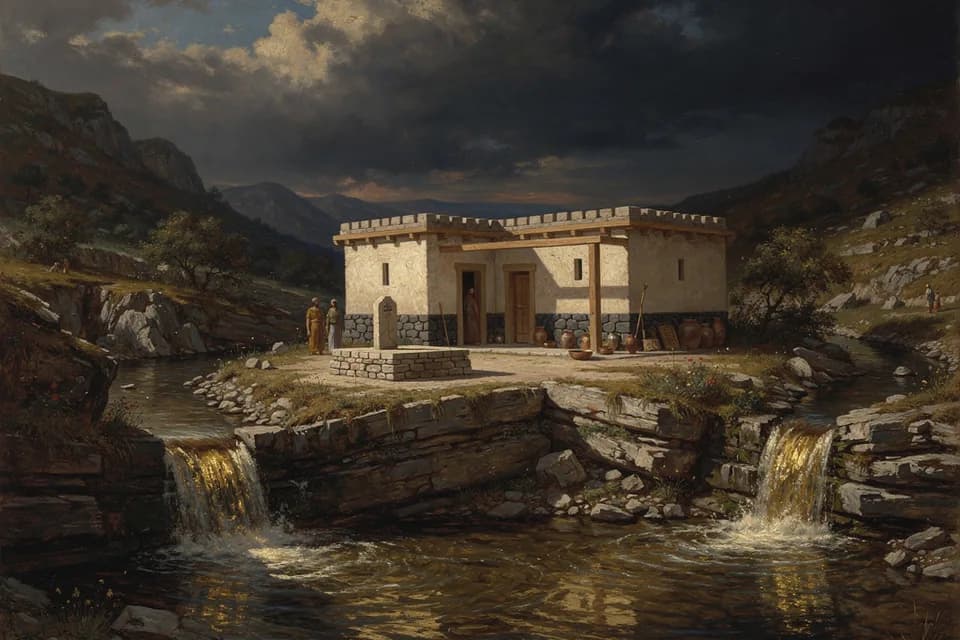
El's pavilion at the edge of the world, where the springs of the two deeps rise and the gods come for his decisions.
Visit The Source of the Two Rivers
Zaphon and the heavens
AboveThe heights of ZaphonṢapānu
Baal's palace of silver and gold, with its window in the clouds.
Visit Mount Zaphon (Jebel Aqra)The sun's course
The path of Shapash, Torch of the Gods, who sees all and passes also through the underworld.
The broad earth
MiddleThe land
The fields that dry when Baal is dead and revive when he returns; Athtar rules here after failing on Zaphon.
Visit Ugarit (Ras Shamra)
The Sea
WatersYam's waters
The Sea and River, rival powers subdued by Baal, home to the serpent Litan and the dragon Tunnan.
The land of Mot
BelowHmry, Mot's cityhmry
Death's muddy city beneath the earth, reached between the mountains at the world's edge and through his enormous throat.
 El (Ilu)
 Athirat (Asherah)
 Baal (Baʿlu Haddu)
 Anat
Anat Athtart (Astarte)
 Kothar-wa-Khasis
 Shapash
 Athtar
 Yam (Yammu)
 Litan (Lotan)
 Tunnan
 Mot
MotSources
Works cited
The Baal Cycle (KTU 1.1-1.6)
Ugaritic poem; scribe Ilimilku
The Epic of Aqhat (KTU 1.17-1.19)
Ugaritic poem; scribe Ilimilku
The Epic of Kirta (KTU 1.14-1.16)
Ugaritic poem; scribe Ilimilku
Ugaritic Narrative Poetry (SBL Writings from the Ancient World 9), ed. Simon B. Parker
Mark S. Smith, Simon B. Parker, Edward L. Greenstein (translators)
Stories from Ancient Canaan (2nd ed.)
Michael D. Coogan and Mark S. Smith
Religious Texts from Ugarit (2nd ed.)
Nicolas Wyatt
About this guide
By Elizabeth Stein for Mythos Atlas. About the author. Editorial notes are grounded in the site's cited sources and can be challenged through the contact page.
The catalog period is the span of the sources this atlas draws on, not the age of the tradition itself. Many traditions are older than their first written record, and many are still practised.
10 in the atlas
Deities
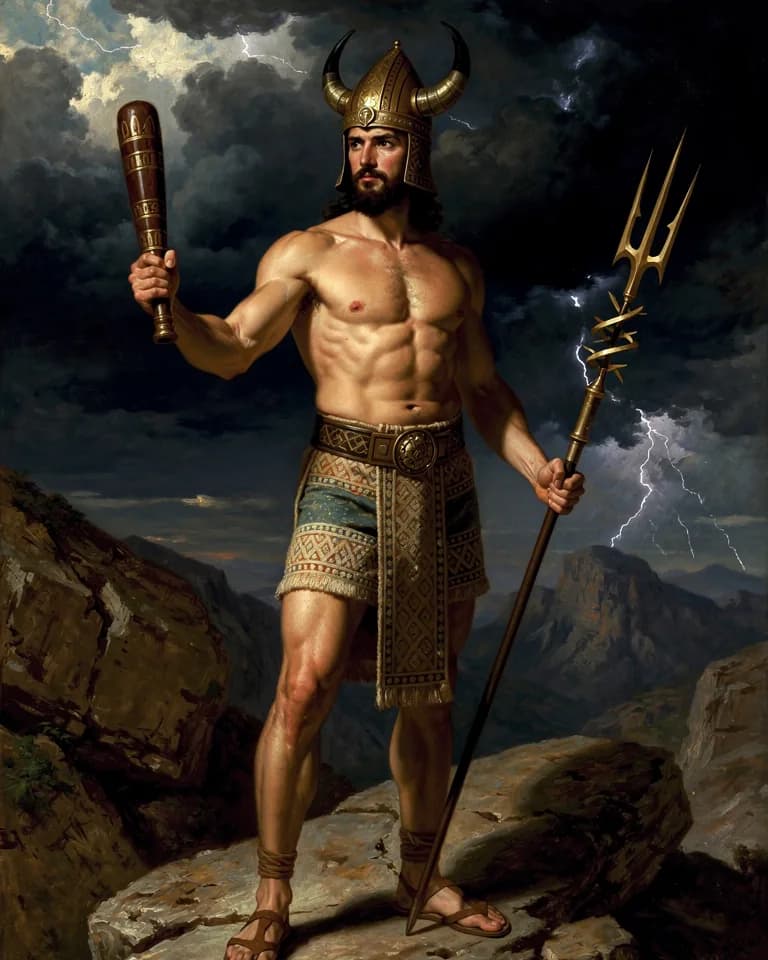 Baal (Baʿlu Haddu)storms, rain
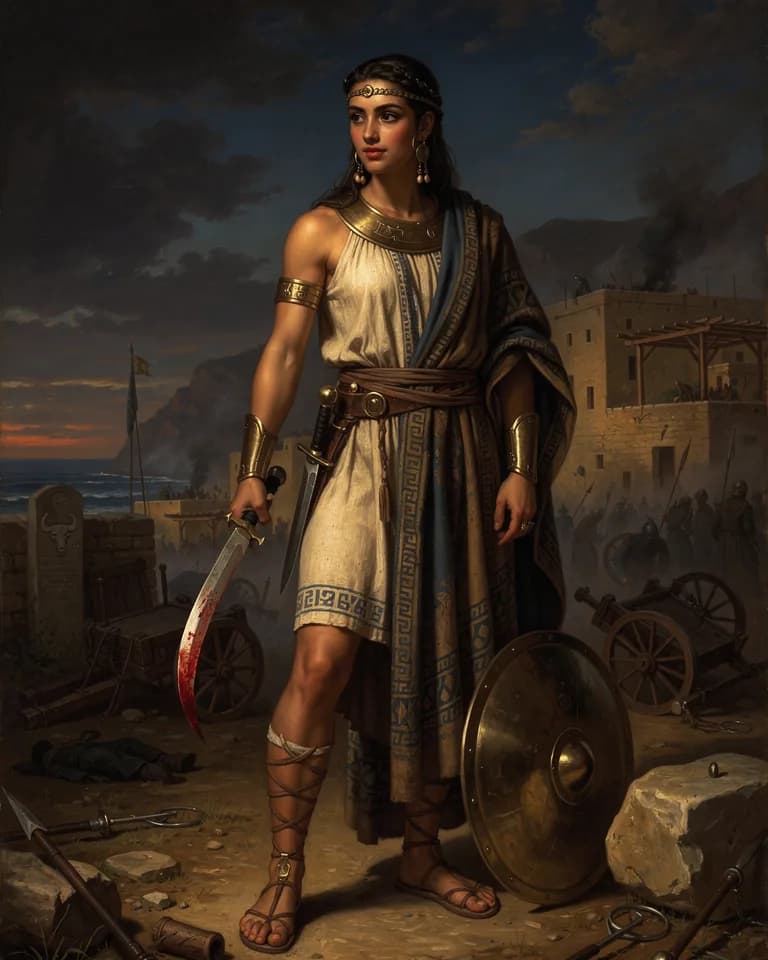 Anatwar, hunting
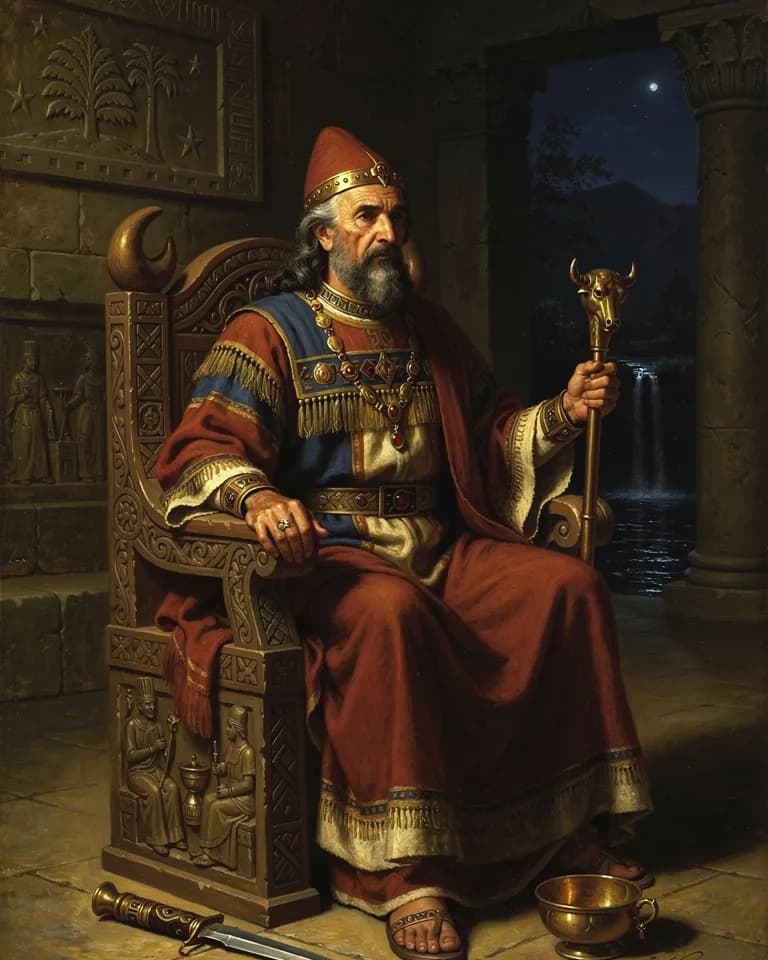 El (Ilu)kingship over the gods, creation
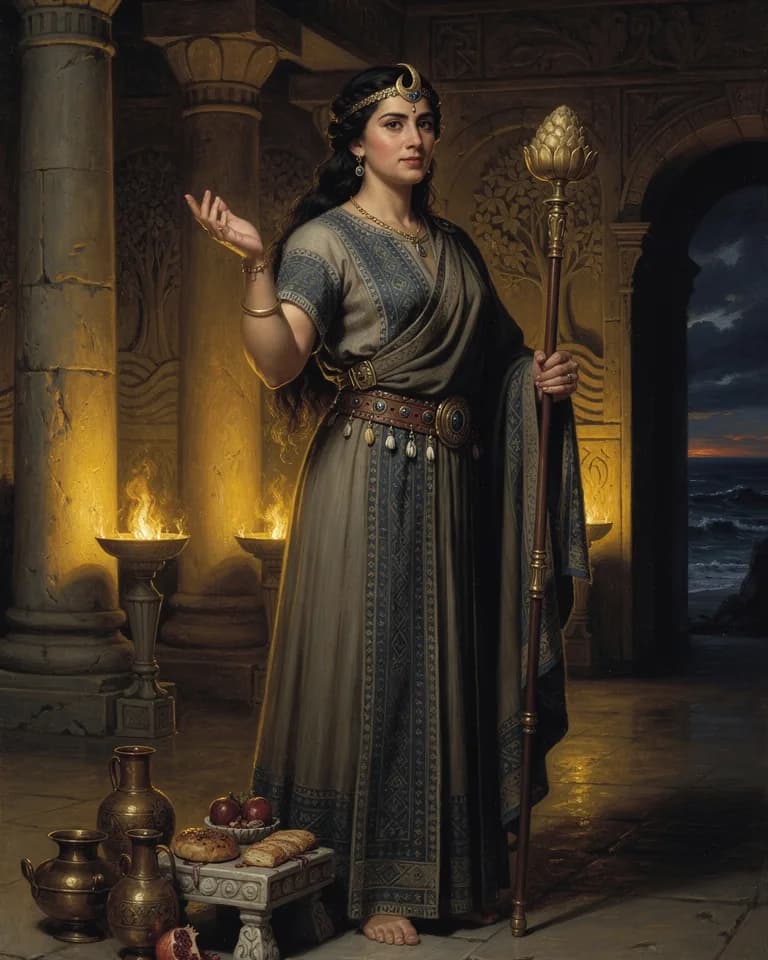 Athirat (Asherah)motherhood of the gods, queenship
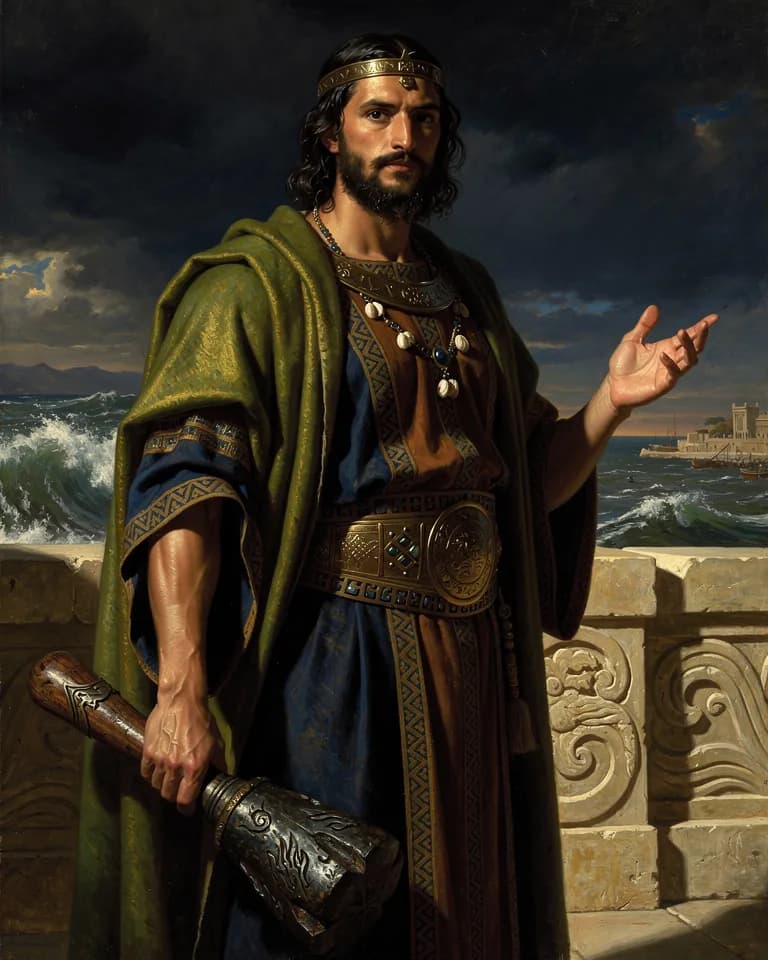 Yam (Yammu)the sea, rivers
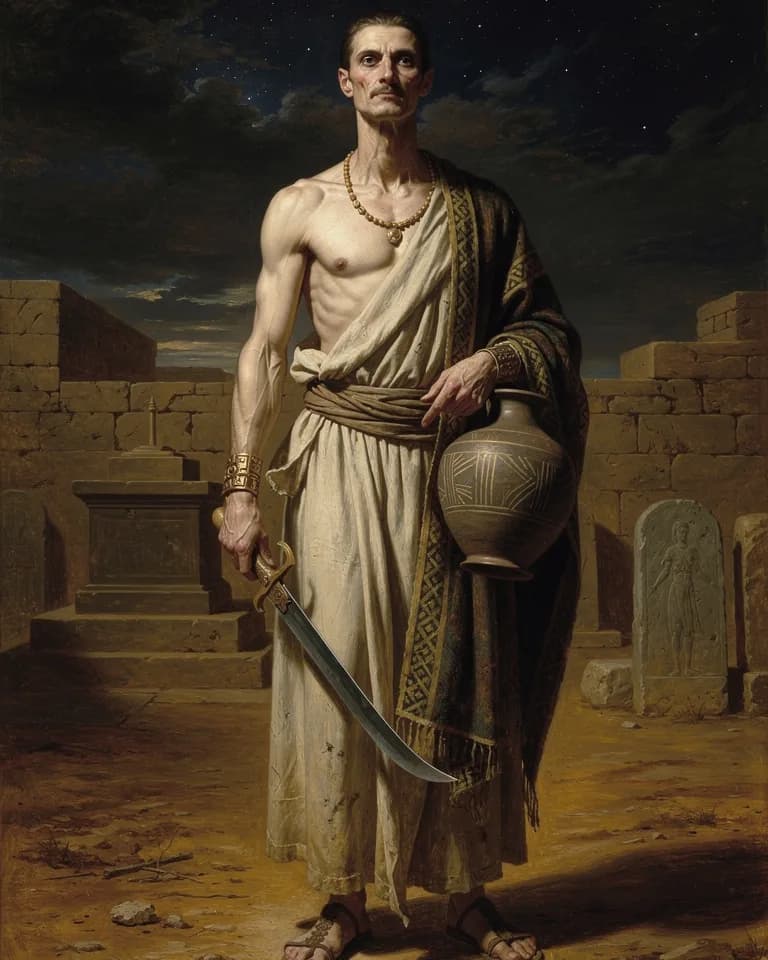 Motdeath, the underworld
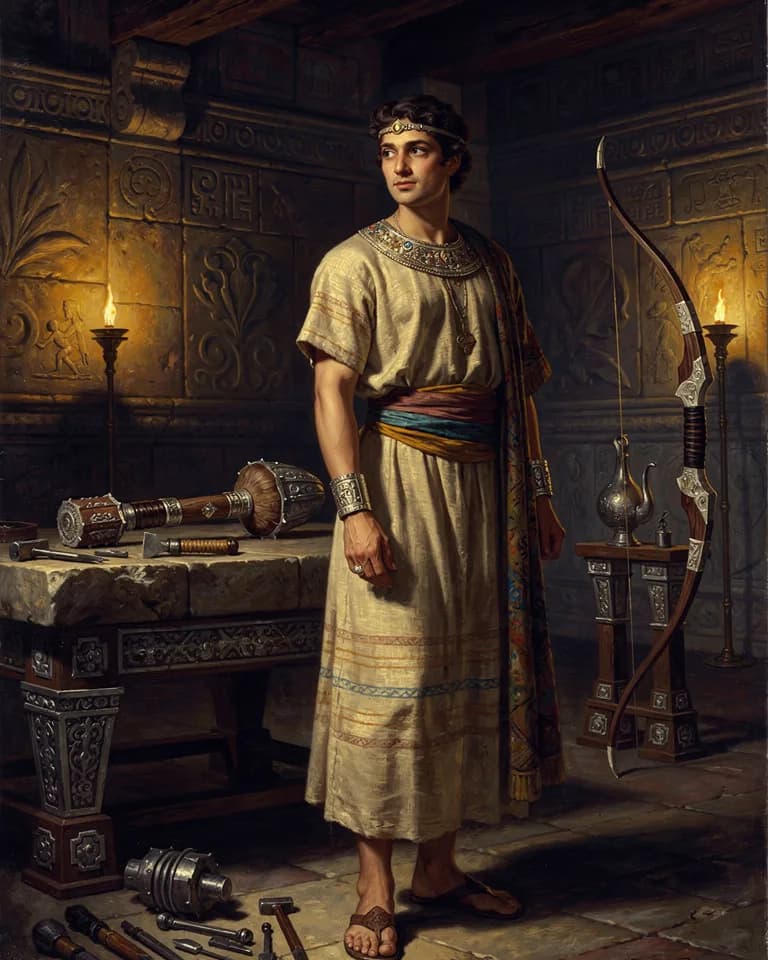 Kothar-wa-Khasiscraftsmanship, metalwork
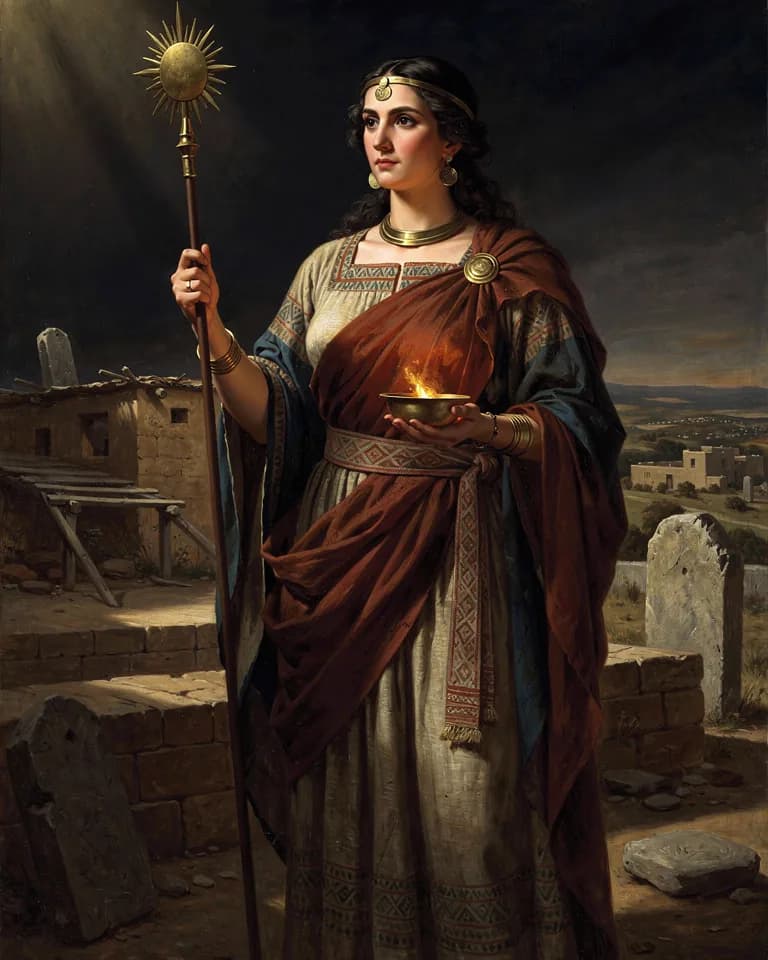 Shapashthe sun, seeing and searching
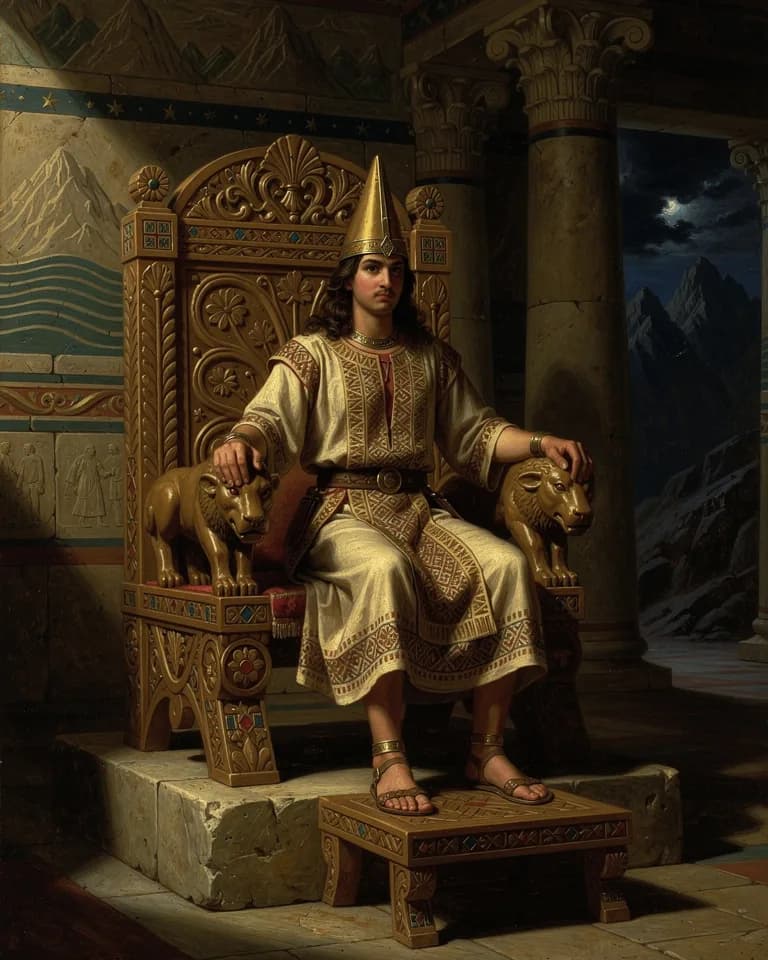 Athtarthe morning star, irrigation (disputed)
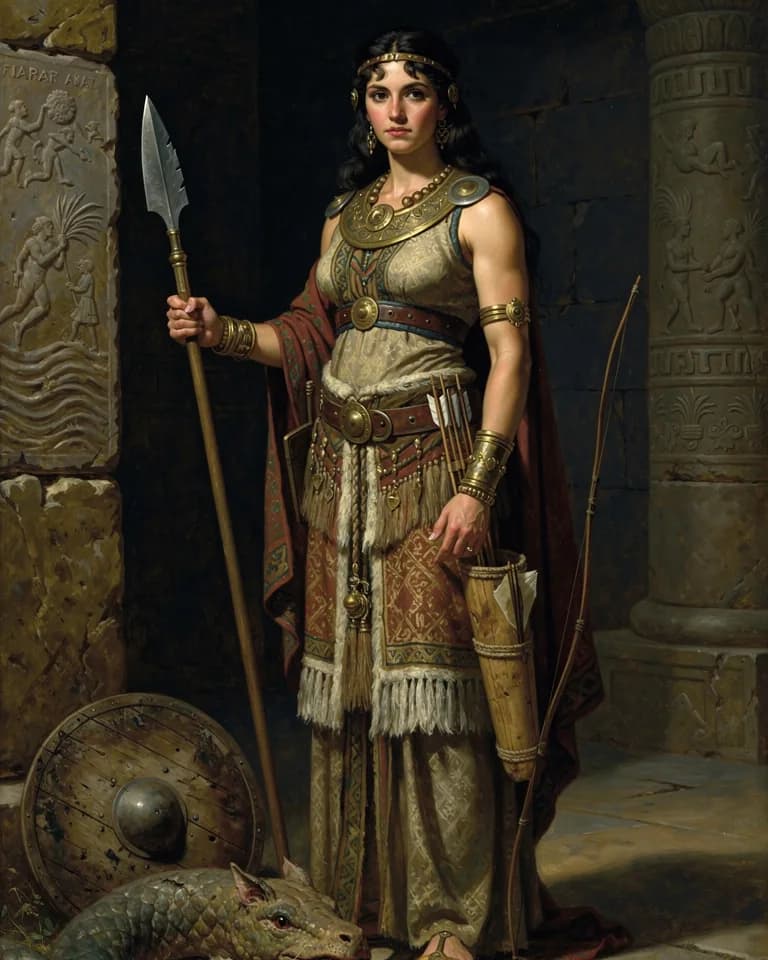 Athtart (Astarte)war, hunting
5 retold
Stories and myths
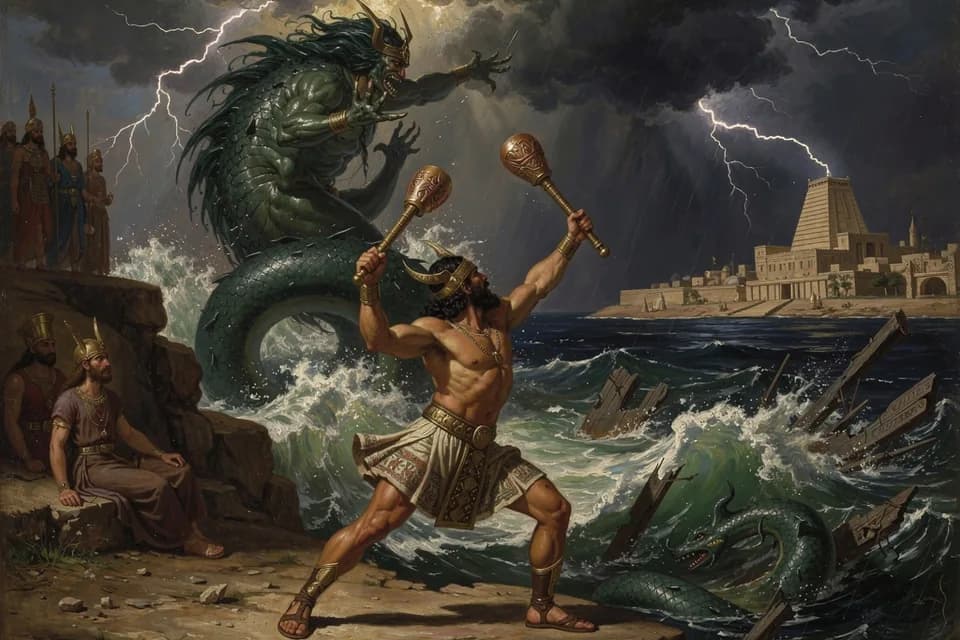 Baal and Yam: The Storm Against the SeawarYam, the Sea, favoured by El, demands that the gods hand Baal over as his captive; armed with two clubs made by Kothar-wa-Khasis, Baal strikes Yam down and claims kingship.
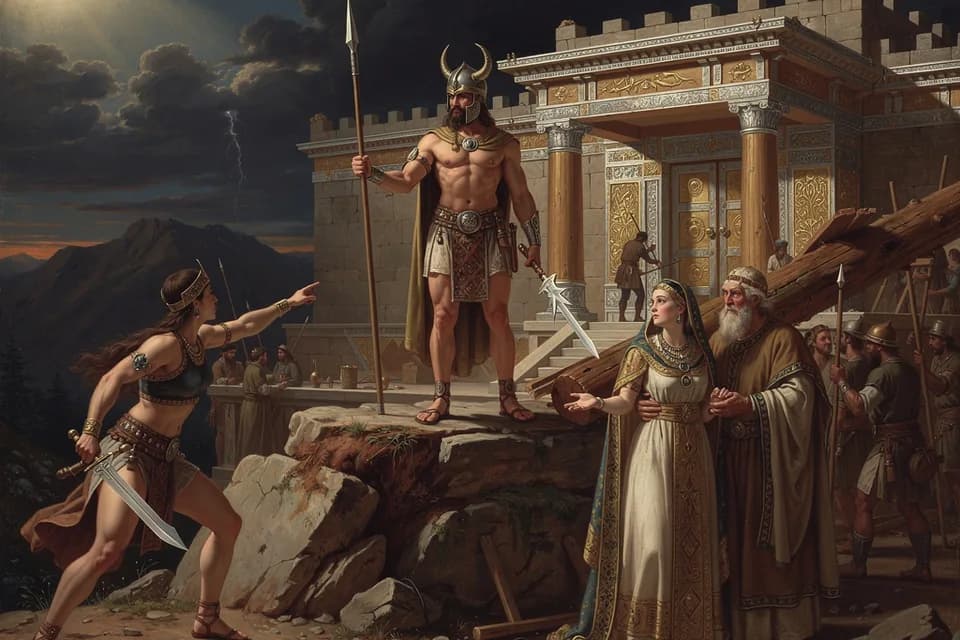 The Palace of BaalmythHaving defeated Yam, Baal still has no house of his own; Anat threatens El, Athirat persuades him, and Kothar-wa-Khasis builds a palace of cedar, silver, and gold on Mount Zaphon, with a window through which Baal thunders.
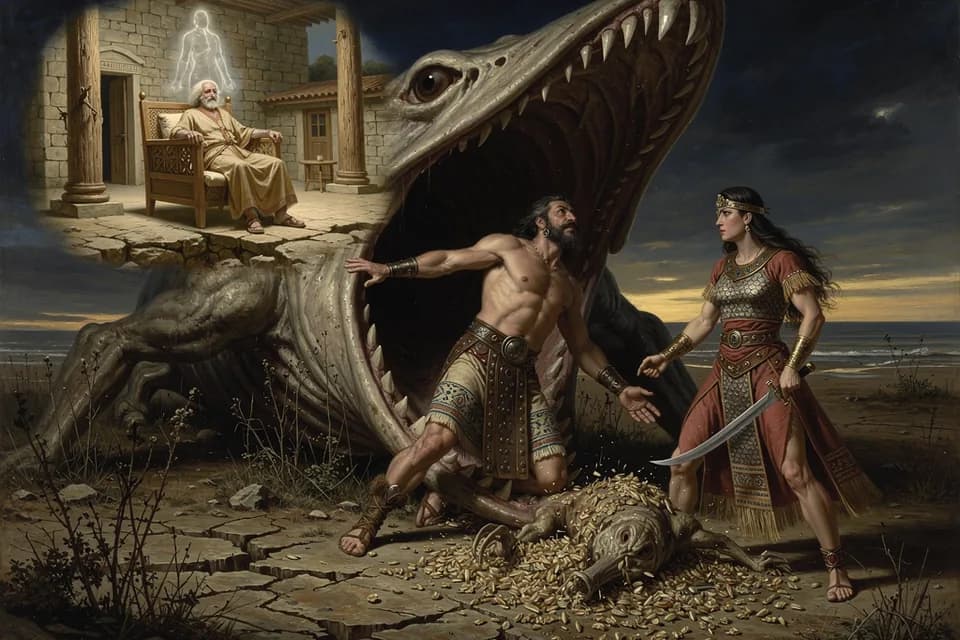 Baal and Mot: The Storm-god in the Throat of DeathdeathBaal goes down into the throat of Mot, Death, and the land dries up; Anat finds his body, destroys Mot like threshed grain, and El dreams that Baal lives; seven years later the two gods fight, and Mot yields.
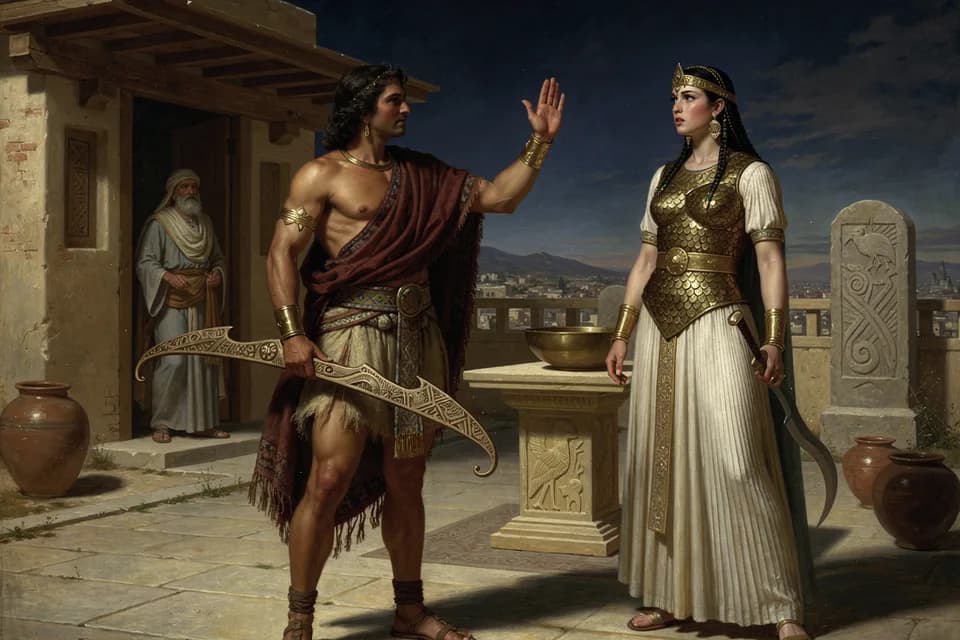 The Legend of AqhattragedyThe righteous Danel is granted a son, Aqhat, who receives a divine bow; when Aqhat refuses to give it to the goddess Anat even for immortality, she has him killed, and the land withers as his sister Pughat sets out for revenge.
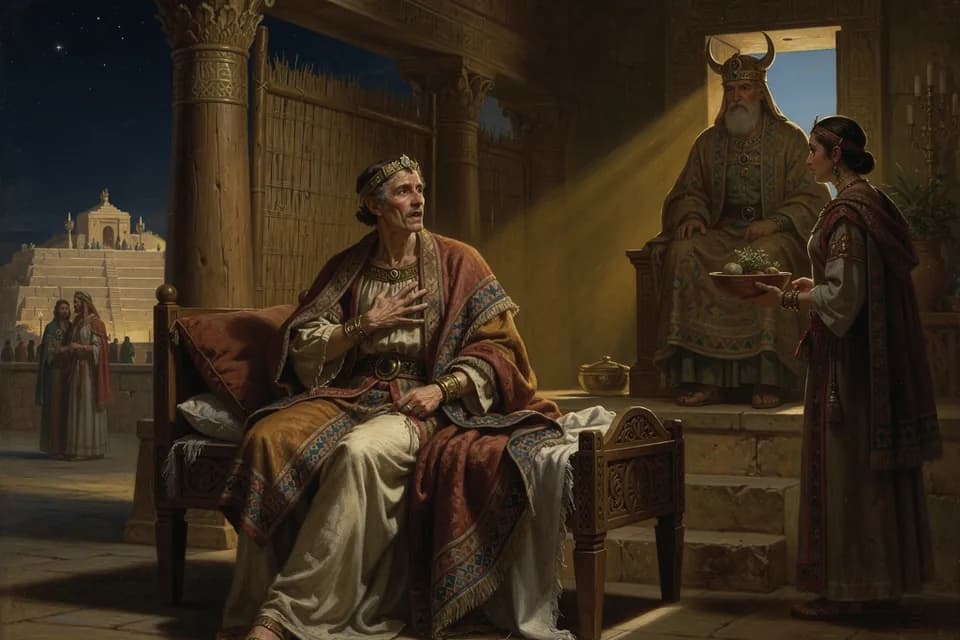 The Legend of KirtalegendKing Kirta, bereft of his family, follows El's dream-instructions to win a new bride, but forgets his vow to Athirat and falls deathly ill; El himself creates a healer to save him, before Kirta's own son challenges his right to rule.
3 in the atlas