Source recordAncient text
The Baal Cycle (KTU 1.1-1.6)
Anonymous Ugaritic poet(s); tablets copied by the scribe Ilimilku · Tablets of the late 13th or early 12th c. BCE; the poem is older · Ugaritic
Ancient text
The Baal Cycle (KTU 1.1-1.6)
Anonymous Ugaritic poet(s); tablets copied by the scribe Ilimilku
Six damaged tablets from Ugarit telling how the storm-god Baal defeats Yamm (the Sea), wins permission to build his palace on Mount Zaphon, descends into the throat of Mot (Death), and returns to life. The order of the first tablets and many passages are uncertain.
About this work
Six damaged tablets from Ugarit telling how the storm-god Baal defeats Yamm (the Sea), wins permission to build his palace on Mount Zaphon, descends into the throat of Mot (Death), and returns to life. The order of the first tablets and many passages are uncertain.
Where to start
Read tablets 1.1-1.2 (Baal and Yamm), then 1.3-1.4 (the palace), then 1.5-1.6 (Baal and Mot). Mark S. Smith's translations mark gaps and uncertain readings clearly.
Figures in the text
Heroes and divinities who feature prominently, with where they appear.
Deities and immortals
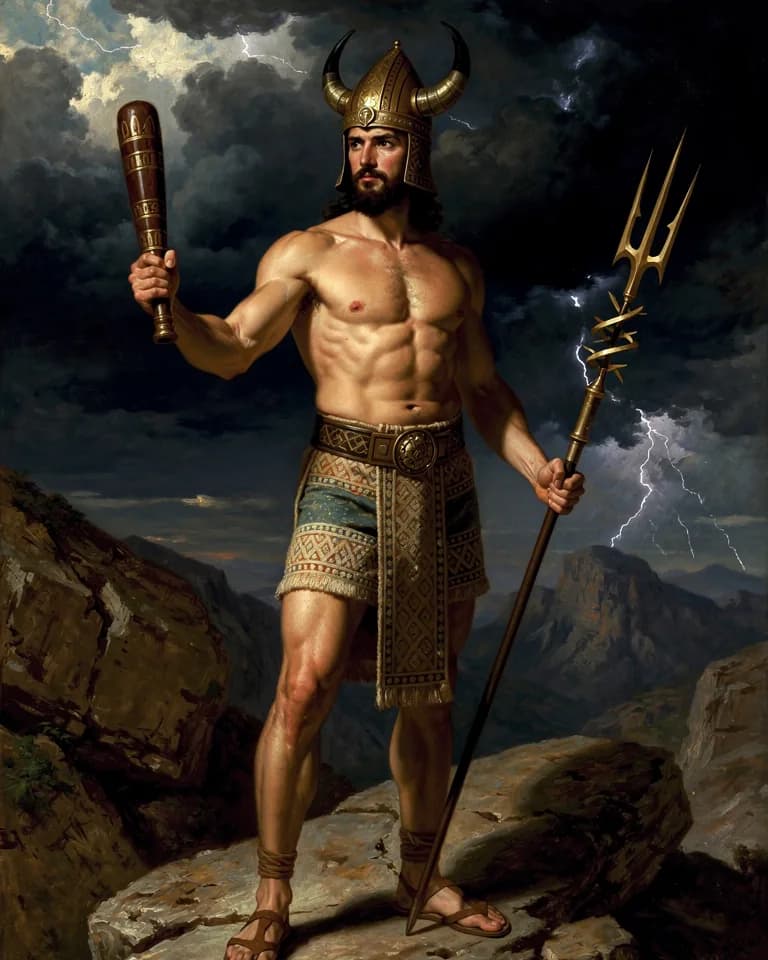 Baal (Baʿlu Haddu)throughout, KTU 1.1-1.6the storm-god who defeats Yamm, builds his palace, dies, and returns
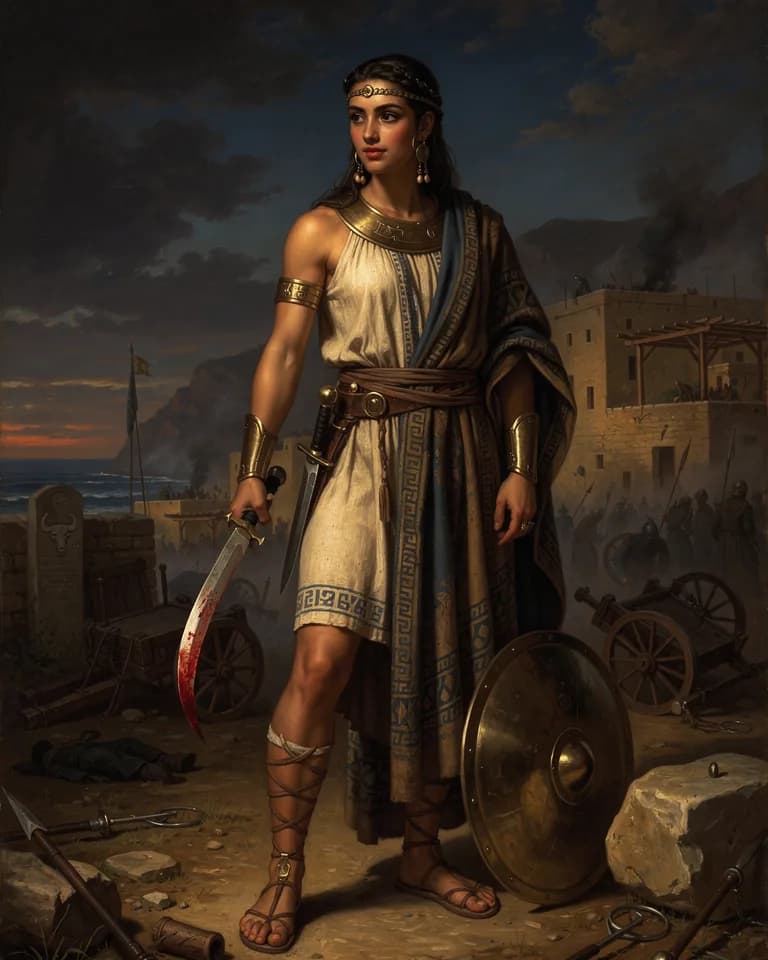 AnatKTU 1.3; 1.6 I-IIBaal's warrior ally who finds his body and destroys Mot
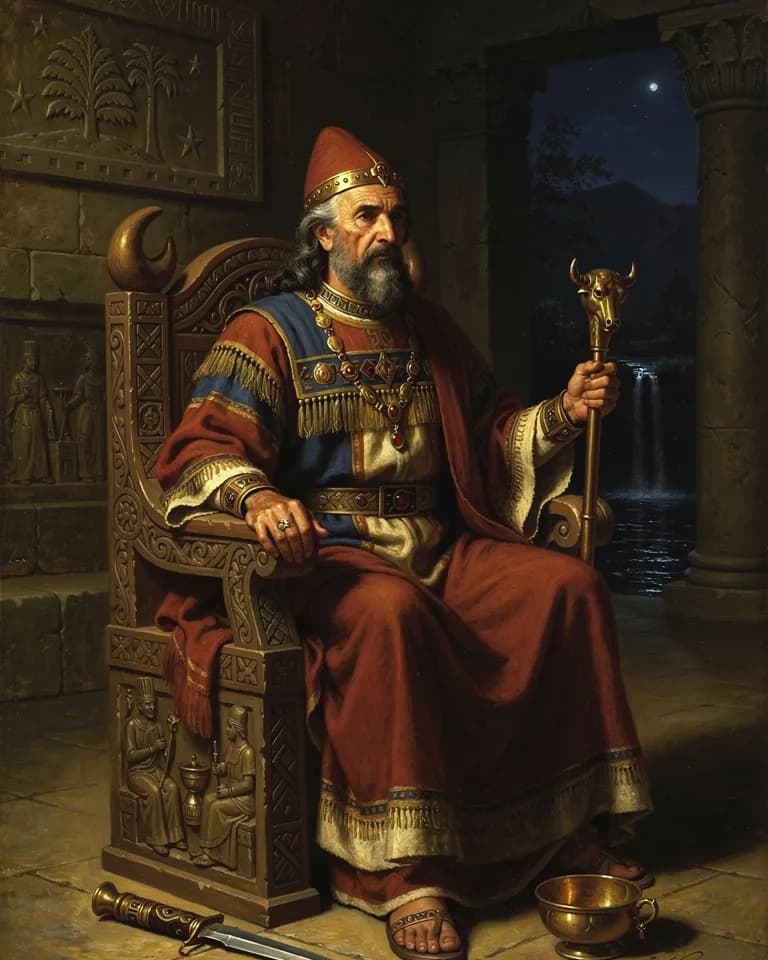 El (Ilu)KTU 1.1-1.6the aged king of the gods who grants and withholds permission
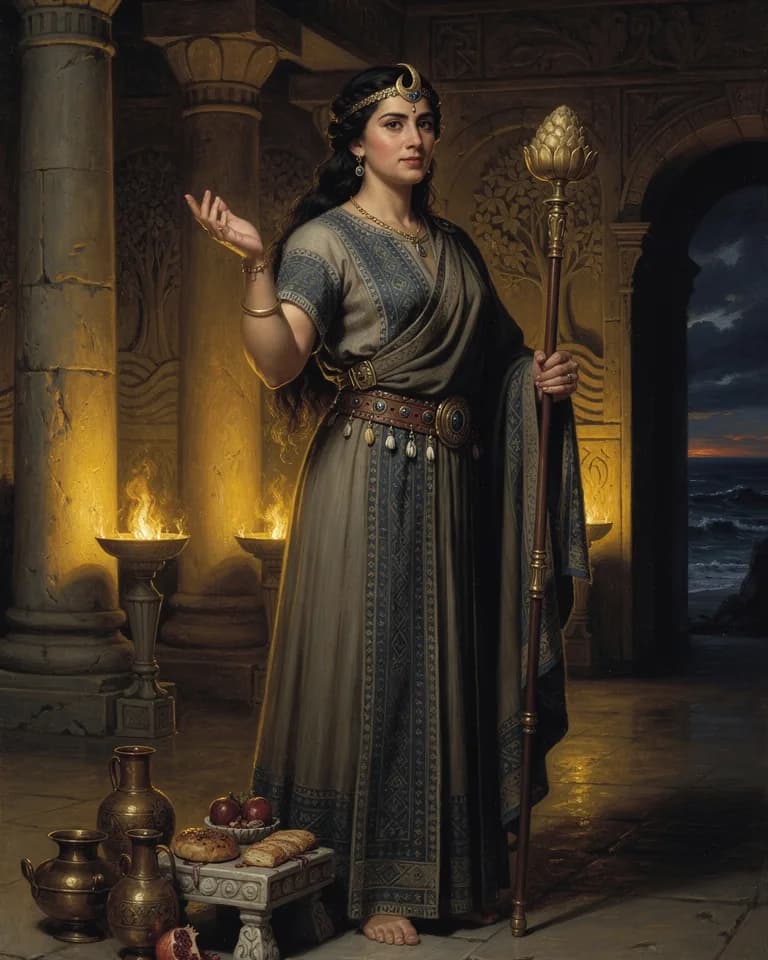 Athirat (Asherah)KTU 1.4 II-V; 1.6 IEl's consort, persuaded to intercede for Baal's palace
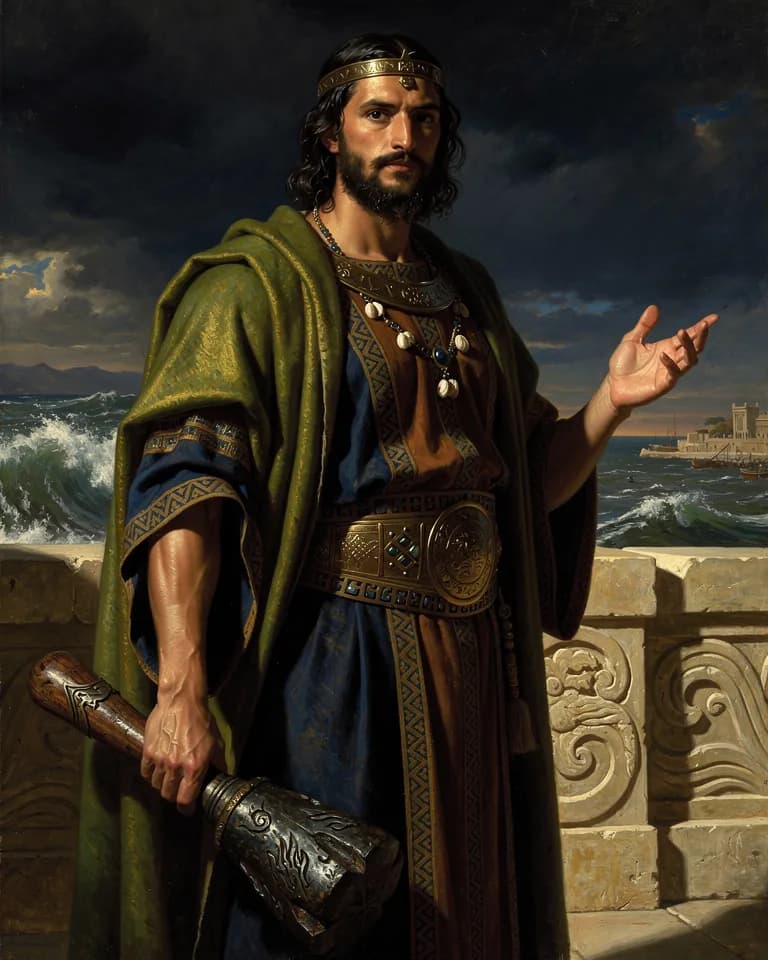 Yam (Yammu)KTU 1.1-1.2the Sea, Baal's first rival
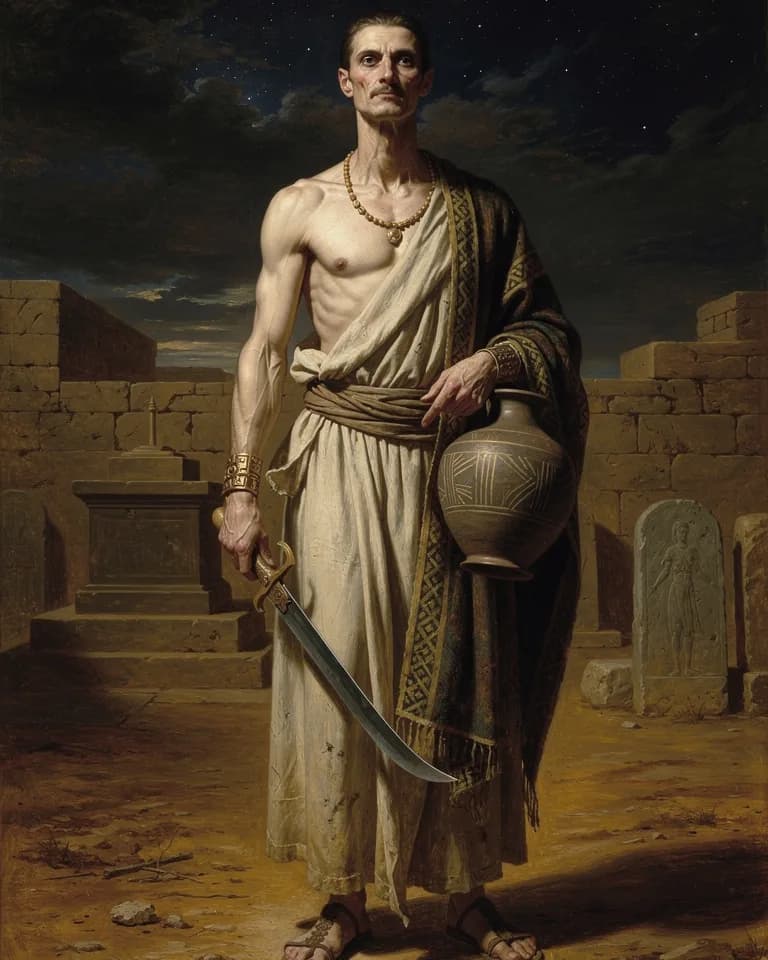 MotKTU 1.4 VIII-1.6Death, who swallows Baal
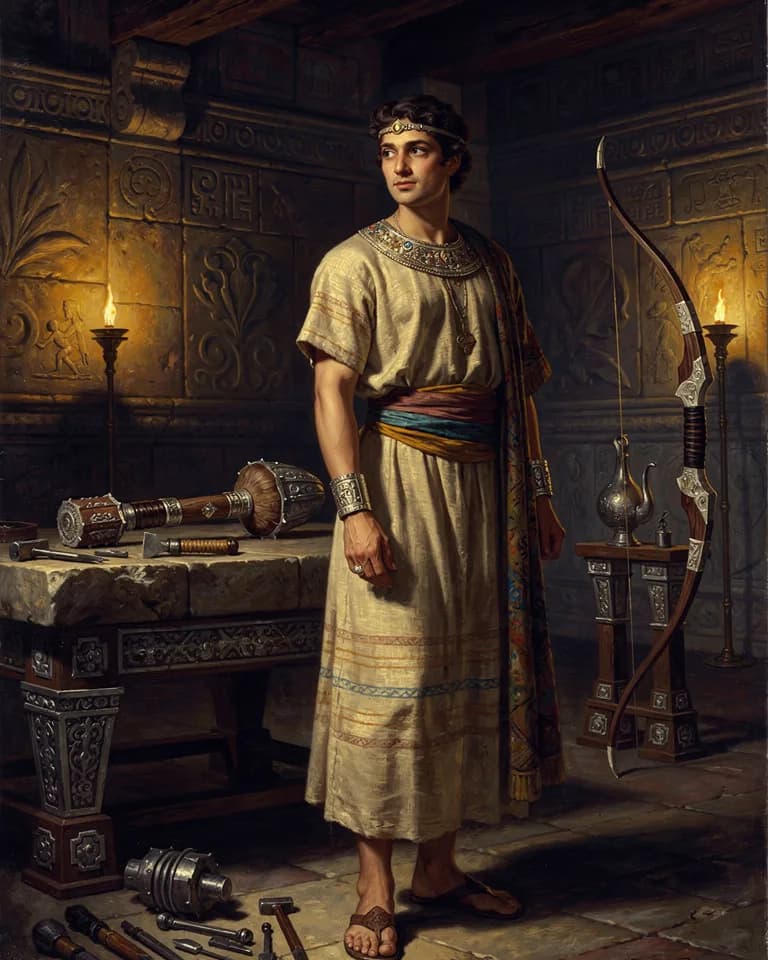 Kothar-wa-KhasisKTU 1.2 IV; 1.4 V-VIIcraftsman who makes Baal's clubs and builds his palace
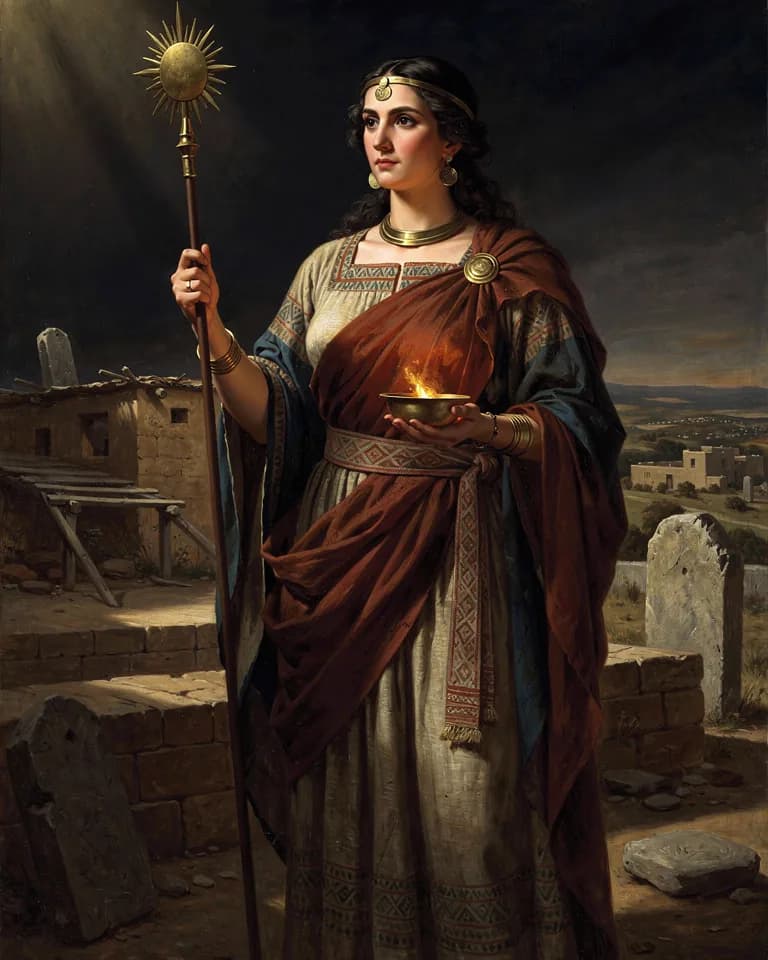 ShapashKTU 1.6 I, VIsun-goddess who helps recover Baal and warns Mot
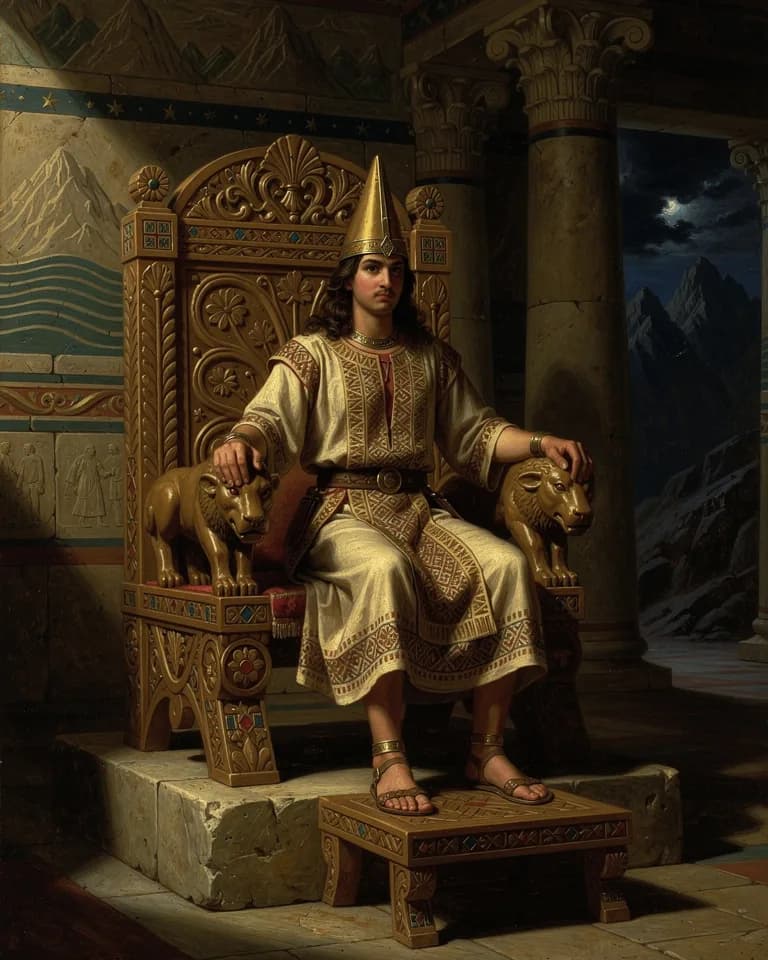 AthtarKTU 1.6 Itries and fails to fill Baal's throne
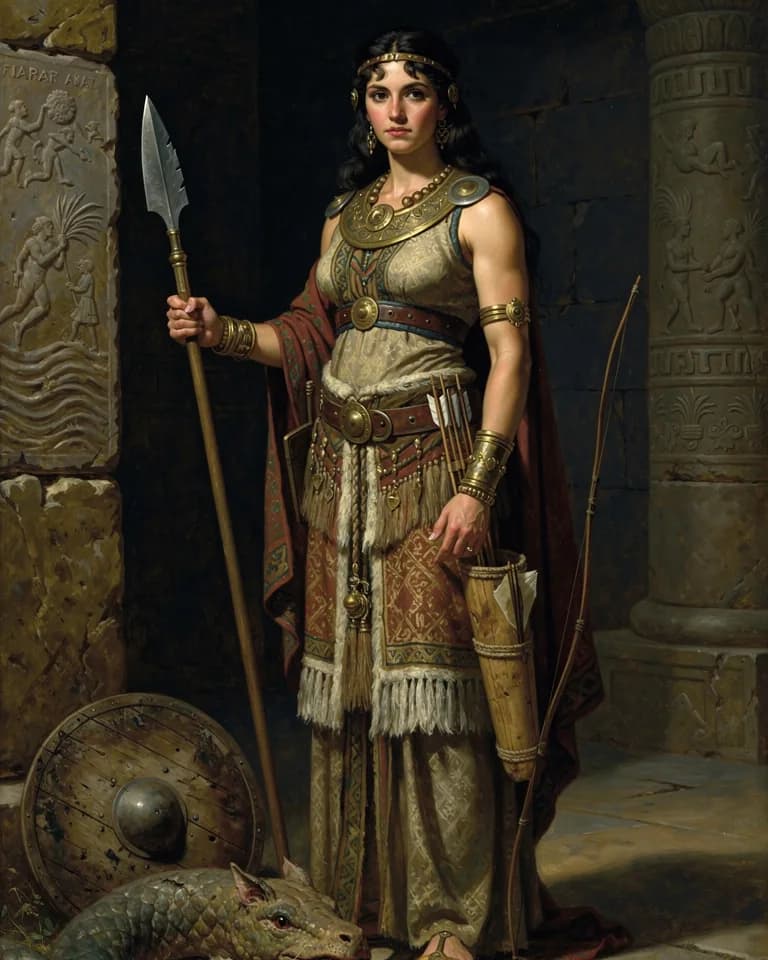 Athtart (Astarte)KTU 1.2 I, IVrestrains Baal and later urges him to finish Yamm
Key scenes
Turning points of the work, in reading order.
Yagrush and Ayyamur
Kothar-wa-Khasis makes two named clubs for Baal; the second strikes Yamm on the head and he falls.
The Window in the Palace
Baal at first refuses a window in his new palace, then allows it; through the rift in the clouds he thunders.
Anat Destroys Mot
Anat seizes Mot, splits him with a blade, winnows, burns, grinds, and sows him like grain.
Baal Lives
El dreams that the heavens rain oil and the wadis run with honey, and knows that Baal is alive.
Stories drawn from it
Retellings in the atlas that quote or cite this work.
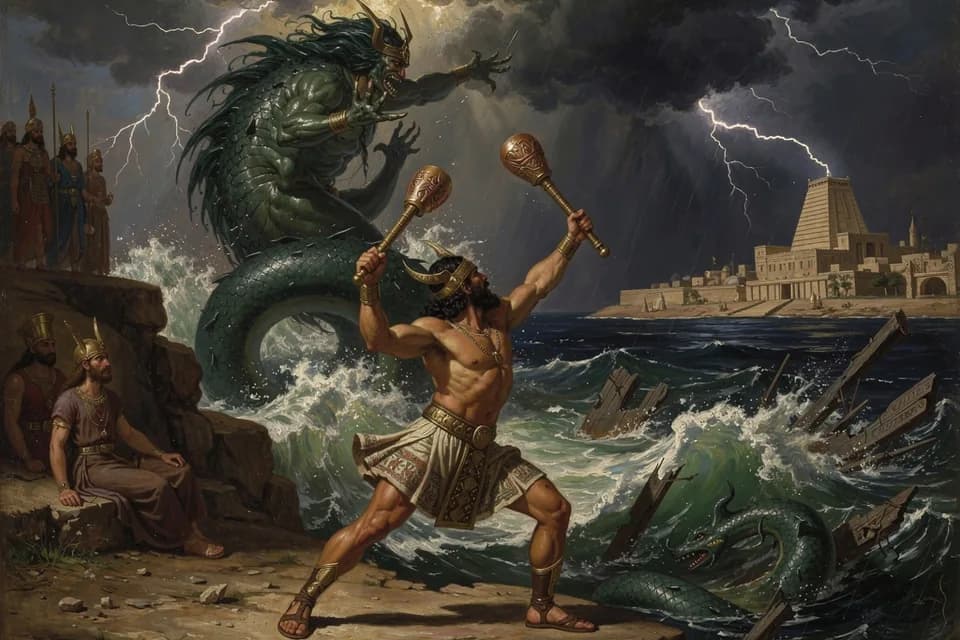 Baal and Yam: The Storm Against the SeawarYam, the Sea, favoured by El, demands that the gods hand Baal over as his captive; armed with two clubs made by Kothar-wa-Khasis, Baal strikes Yam down and claims kingship.
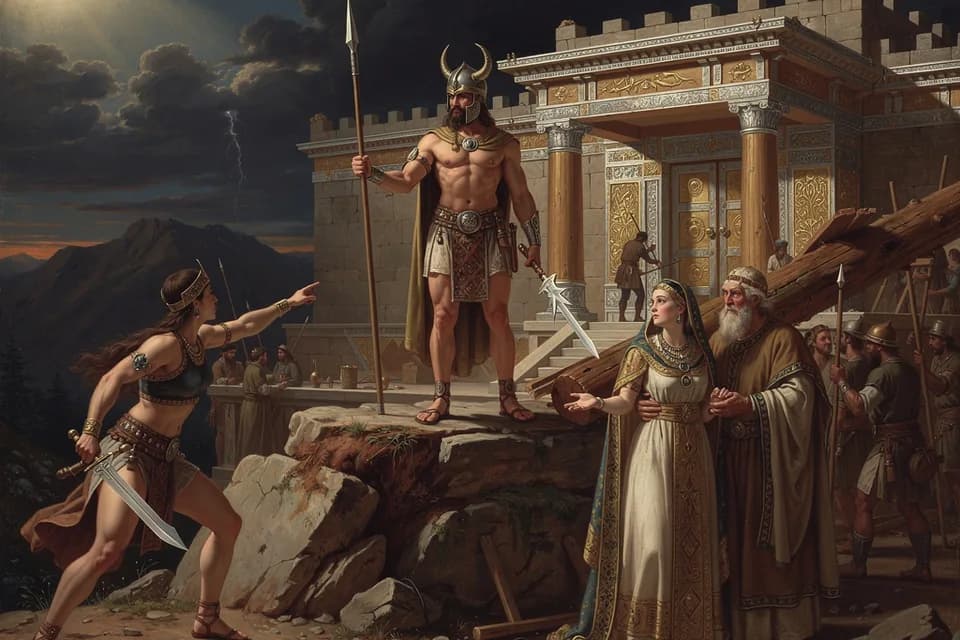 The Palace of BaalmythHaving defeated Yam, Baal still has no house of his own; Anat threatens El, Athirat persuades him, and Kothar-wa-Khasis builds a palace of cedar, silver, and gold on Mount Zaphon, with a window through which Baal thunders.
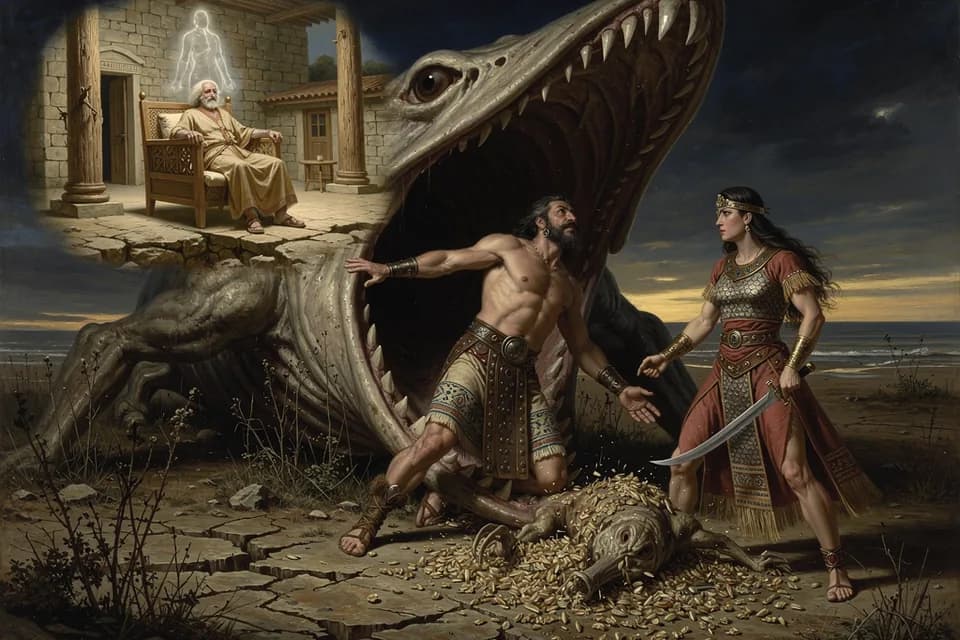 Baal and Mot: The Storm-god in the Throat of DeathdeathBaal goes down into the throat of Mot, Death, and the land dries up; Anat finds his body, destroys Mot like threshed grain, and El dreams that Baal lives; seven years later the two gods fight, and Mot yields.
About this record
By Elizabeth Stein for Mythos Atlas. About the author. Editorial notes are grounded in the site's cited sources and can be challenged through the contact page.
Dates and authorship follow standard scholarly references; for many ancient works both are approximate or disputed.