Mythos Atlas

Side by sideParent and child

Alalu vs Kumarbi

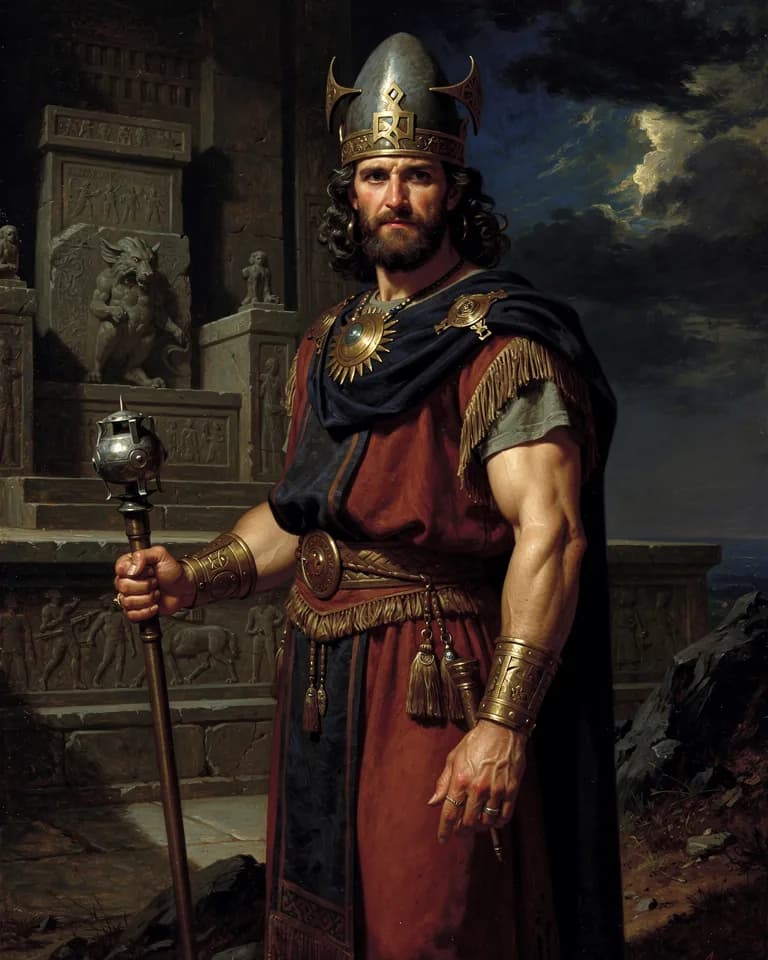
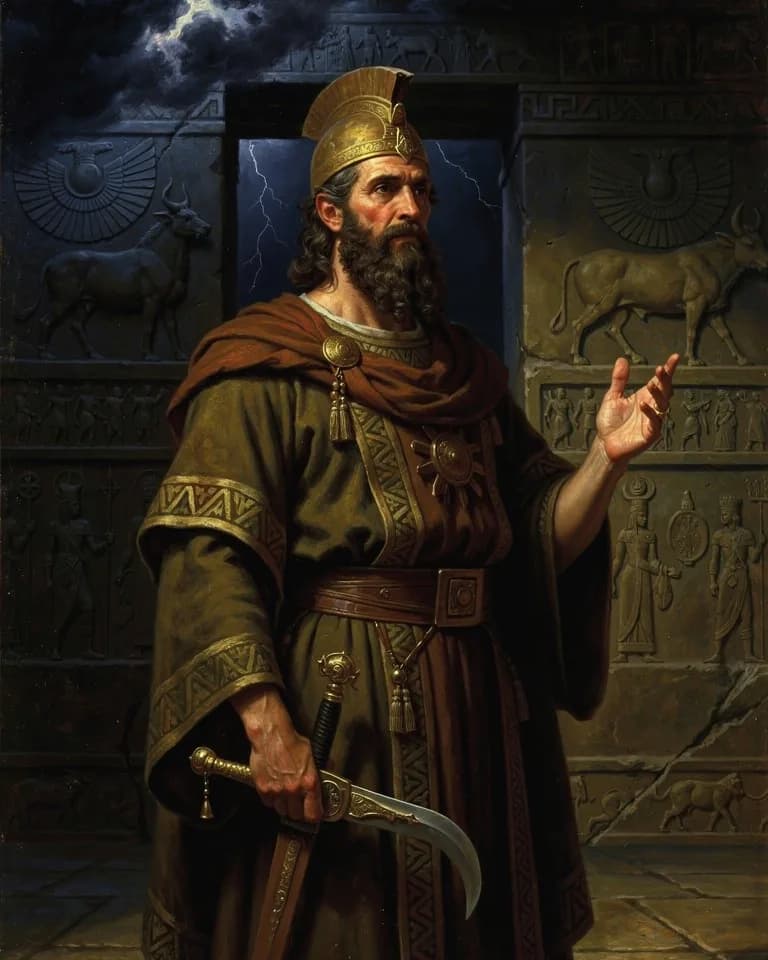
Alalu
AlaluHittite
Kumarbi
KumarbiHittite

Alalu and Kumarbi are recorded as parent and child in the Hittite Pantheon.

At a glance

Alalu and Kumarbi compared
AlaluKumarbi
TraditionHittite PantheonHittite Pantheon
Domainsthe first kingship in heaven, the Former Godsthe older order of gods, grain, kingship in heaven
Symbolsthe cup-bearer's cup, the Dark Earththe city of Urkeš, the swallowed stone
Also calledAlalusFather of the gods (Hurrian)

Where they meet

The atlas records no domain or symbol that Alalu and Kumarbi share.

They are compared because of how the myths connect them, not because of what they rule.

Where they part

Only Alalu

Associated with the first kingship in heaven and the former gods.

Only Kumarbi

Associated with the older order of gods, grain, and kingship in heaven.

How each was worshipped

Alalu

No cult sites or festivals are recorded in the atlas.

Kumarbi

Cult sites
Urkeš (Tell Mozan), his traditional Hurrian cult city

Kumarbi received offerings in Hurrian cult lists (kaluti) alongside other gods of the Hurrian pantheon; he is far more prominent in myth than in recorded Hittite state ritual.

The two figures

Hittite Pantheon

Alalu

The first king in heaven in the Hurrian Song of Kumarbi, overthrown by his cup-bearer Anu after nine years and driven down to the Dark Earth; Kumarbi is called his offspring.

The Song of Kumarbi opens by calling on the Former Gods to listen, and then tells how, in earlier years, Alalu was king in heaven. Anu, the mightiest of the gods, served him as cup-bearer, bowing at his feet and handing him his drink. After nine years Anu rebelled and defeated him, and Alalu fled down to the Dark Earth.

Read the full Alalu entry

Hittite Pantheon

Kumarbi

Hurrian father of the gods who seizes kingship in heaven by biting off the sky-god Anu's loins, unwittingly conceives the storm-god Teššub, and spends the rest of the Kumarbi cycle fathering monsters to overthrow him.

Kumarbi belongs to the Hurrian pantheon of northern Syria and Upper Mesopotamia. His city was Urkeš (modern Tell Mozan in northeastern Syria), one of the oldest Hurrian centres, and he was equated in god-lists with the Mesopotamian grain-god Dagan and with Enlil. Everything known of his mythology comes from Hurrian songs preserved mainly in Hittite translation at Hattusa: the Song of Kumarbi (CTH 344), the Song of Hedammu (CTH 348), and the Song of Ullikummi (CTH 345).

Read the full Kumarbi entry
About this comparison

Comparisons pair figures that play a similar role across traditions, or that the myths connect within one. A shared role does not, by itself, establish a shared origin.