Mythos Atlas

Side by sideParallel across traditions

El (Ilu) vs Kumarbi

El (Ilu)
El (Ilu)Canaanite Pantheon (Ugarit)
Kumarbi
KumarbiHittite

Ugaritic multilingual god-lists equate Kumarbi with El, the aged father of the gods.

At a glance

El (Ilu) and Kumarbi compared
El (Ilu)Kumarbi
TraditionCanaanite Pantheon (Ugarit)Hittite Pantheon
Domainskingship over the gods, creation, wisdom, the divine assemblythe older order of gods, grain, kingship in heaven
Symbolsthe bull, grey beard, the tent at the source of the two riversthe city of Urkeš, the swallowed stone
Also calledIlu, Bull El (ṯr il), Father of Years (ab šnm), Creator of Creatures (bny bnwt)Father of the gods (Hurrian)

Where they meet

The atlas records no domain or symbol that El (Ilu) and Kumarbi share.

They are compared for the part each plays in their own tradition rather than for any attribute in common.

Where they part

Only El (Ilu)

Associated with kingship over the gods, creation, wisdom, and the divine assembly.

Only Kumarbi

Associated with the older order of gods, grain, and kingship in heaven.

Why they are compared

Ugaritic multilingual god-lists equate El with the Hurrian father of the gods Kumarbi.

How each was worshipped

El (Ilu)

El heads the Ugaritic offering lists; no temple at Ugarit is securely identified as his.

Kumarbi

Cult sites
Urkeš (Tell Mozan), his traditional Hurrian cult city

Kumarbi received offerings in Hurrian cult lists (kaluti) alongside other gods of the Hurrian pantheon; he is far more prominent in myth than in recorded Hittite state ritual.

The two figures

Canaanite Pantheon (Ugarit)

El (Ilu)

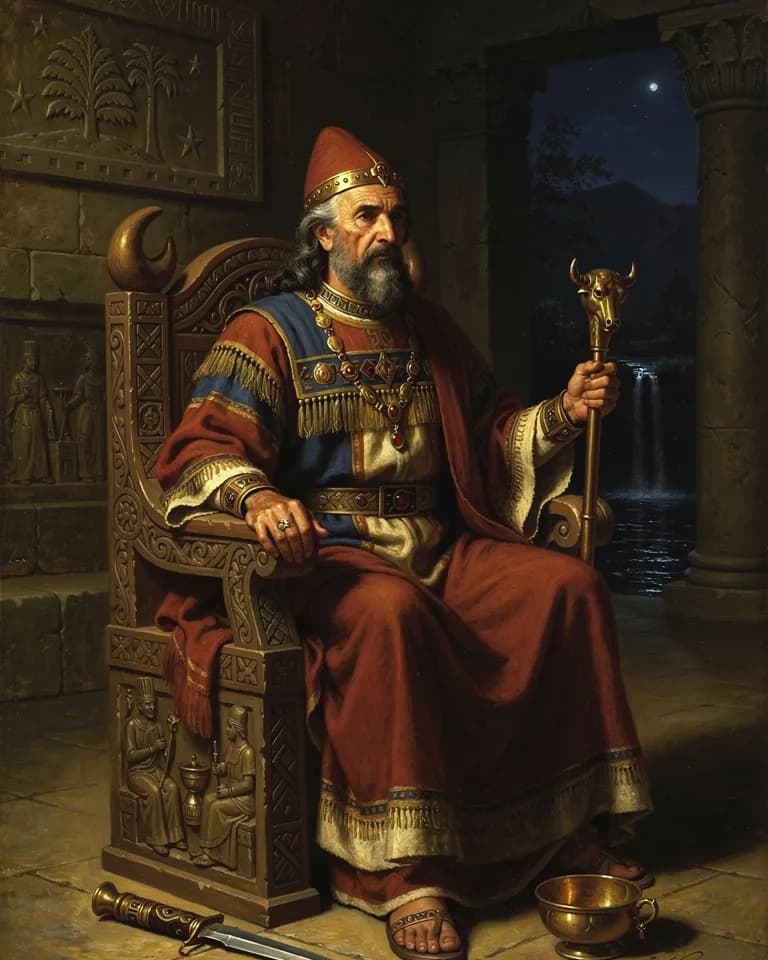
The aged king and father of the gods at Ugarit, 'Bull El', 'Father of Years', who presides over the divine assembly from his dwelling at the source of the two rivers and whose permission every younger god seeks.

El's name is simply the common Semitic word for "god". At Ugarit he is the head of the pantheon, the "Father of Years" and "Creator of Creatures", with a grey beard that other gods praise for its wisdom. He dwells far from the other gods "at the source of the two rivers, in the midst of the springs of the two deeps", in a tent or pavilion, and the assembly of the gods meets on his mountain. His consort is Athirat, and the gods are collectively "the sons of El".

Read the full El (Ilu) entry

Hittite Pantheon

Kumarbi

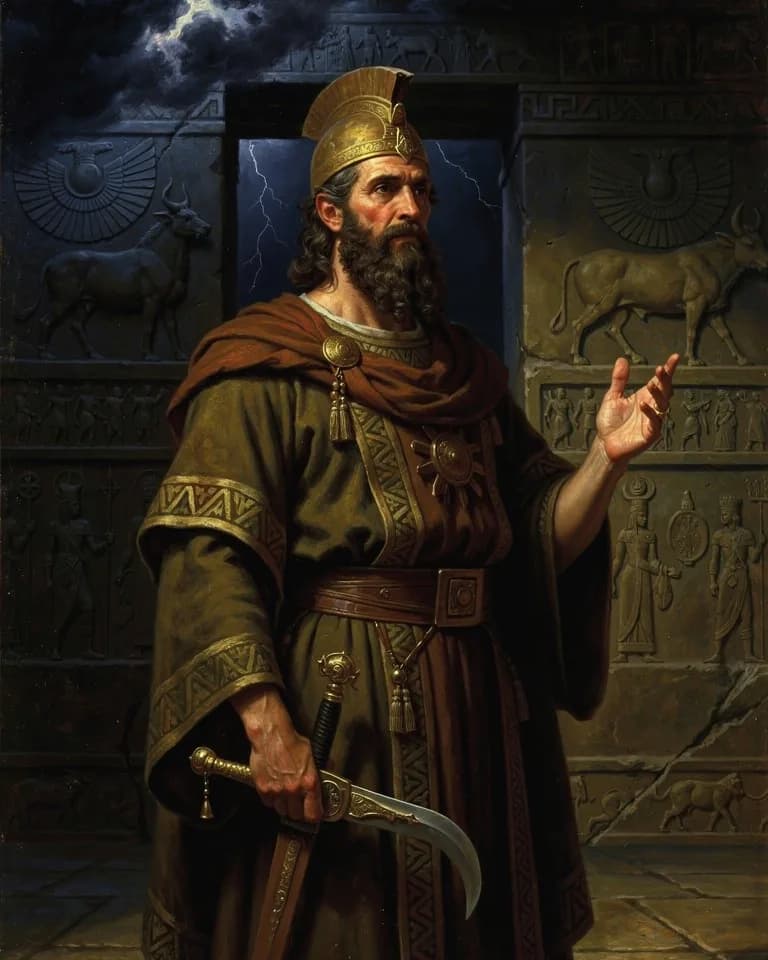
Hurrian father of the gods who seizes kingship in heaven by biting off the sky-god Anu's loins, unwittingly conceives the storm-god Teššub, and spends the rest of the Kumarbi cycle fathering monsters to overthrow him.

Kumarbi belongs to the Hurrian pantheon of northern Syria and Upper Mesopotamia. His city was Urkeš (modern Tell Mozan in northeastern Syria), one of the oldest Hurrian centres, and he was equated in god-lists with the Mesopotamian grain-god Dagan and with Enlil. Everything known of his mythology comes from Hurrian songs preserved mainly in Hittite translation at Hattusa: the Song of Kumarbi (CTH 344), the Song of Hedammu (CTH 348), and the Song of Ullikummi (CTH 345).

Read the full Kumarbi entry
About this comparison

Comparisons pair figures that play a similar role across traditions, or that the myths connect within one. A shared role does not, by itself, establish a shared origin.