Mythos Atlas

Side by sideParallel across traditions

Ame-no-Uzume vs Usha

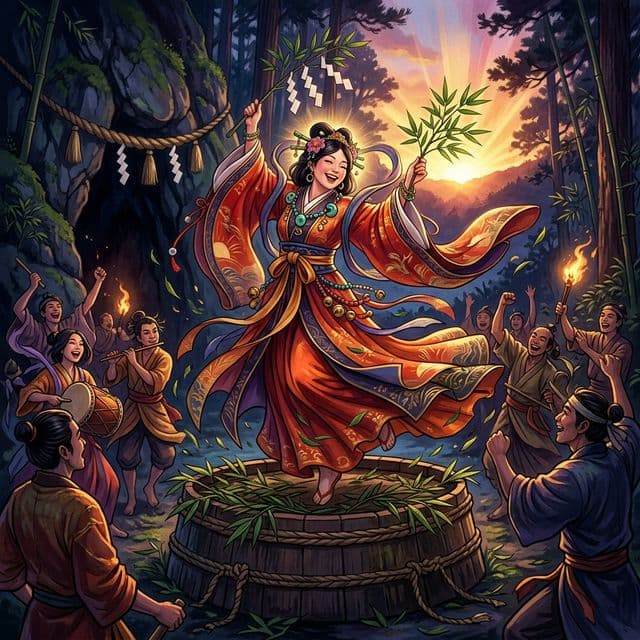
Ame-no-Uzume
Ame-no-UzumeJapanese
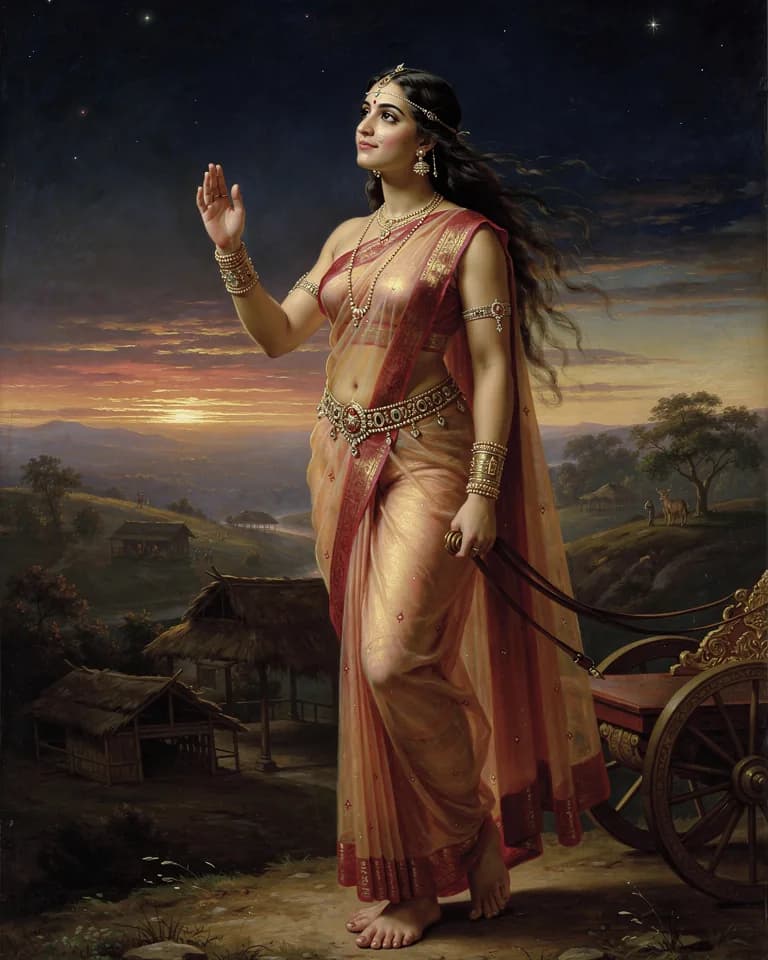
Usha
UshaHindu

A thematic comparison of figures associated with dawn; this is not evidence of a shared origin or Indo-European influence on Japanese tradition.

At a glance

Ame-no-Uzume and Usha compared
Ame-no-UzumeUsha
TraditionJapanese PantheonHindu Pantheon
Domainsdawn, revelry, dance, performance, meditationdawn, awakening, renewal of days
Symbolssacred dance, overturned tub, bamboo leaves, round smiling facered cows or horses, shining chariot, open doors of heaven
Also calledAme-no-Uzume-no-Mikoto, Uzume, OkameUshas, Uṣas

Where they meet

Both are associated with dawn.

Where they part

Only Ame-no-Uzume

Associated with revelry, dance, performance, and meditation.

Only Usha

Associated with awakening and renewal of days.

Why they are compared

A thematic comparison of figures associated with dawn; this is not evidence of a shared origin.

How each was worshipped

Ame-no-Uzume

Cult sites
Kagura stages; the cave dance as origin of shrine performance

She danced the sun out of the cave. Shrine maidens and comic kagura inherit that file. The cult is performance, not a quiet inner hall.

Usha

Invoked in the Vedic morning sacrifice, when the fire is kindled at dawn; her hymns are recited in the morning litany of Soma ritual. She has no major temple cult in later Hinduism.

The two figures

Japanese Pantheon

Ame-no-Uzume

Goddess of dawn, mirth, and revelry. Her wild, comedic dance lured Amaterasu from the Heavenly Rock Cave, restoring light to the world. Ancestral deity of performing arts.

When **Amaterasu** retreated into the Ama-no-Iwato cave and plunged the world into darkness, the eight million kami gathered in desperation. Ame-no-Uzume overturned a tub, stamped upon it, and performed an ecstatic, risque dance that provoked such uproarious laughter among the gods that Amaterasu's curiosity drew her forth.

**Ame-no-Uzume-no-Mikoto** holds one of the most pivotal roles in Japanese mythology. When Amaterasu withdrew into the Heavenly Rock Cave and darkness engulfed the world, it was Ame-no-Uzume's bold, outrageous performance that ultimately saved creation by drawing the sun goddess back into the light.

Read the full Ame-no-Uzume entry

Hindu Pantheon

Usha

The Vedic goddess of dawn, praised in some twenty hymns of the Rigveda as a radiant young woman who drives away darkness, wakes every living creature, and returns each morning ever young while the generations of mortals pass away.

Usha is called the daughter of Dyaus (Heaven) and the sister of Ratri (Night), with whom she shares an unending path, the two alternating across the sky.

Usha is among the most celebrated goddesses of the Rigveda, which addresses about twenty hymns to her. She is the daughter of Heaven, sister of Night, and the brilliant maiden who unbars the doors of the sky. Her light rouses people to their work and to sacrifice: she causes Agni's fire to be kindled at the morning rite.

Read the full Usha entry
About this comparison

Comparisons pair figures that play a similar role across traditions, or that the myths connect within one. A shared role does not, by itself, establish a shared origin.