Mythos Atlas

Side by sideSiblings

Eos vs Selene

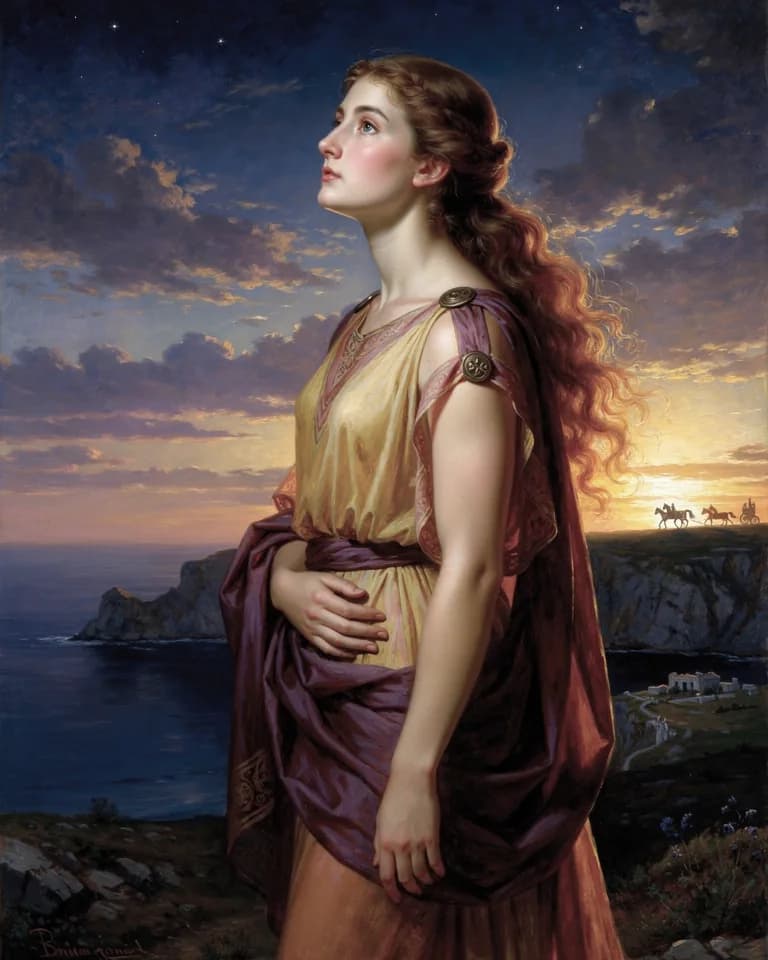
Eos
EosGreek
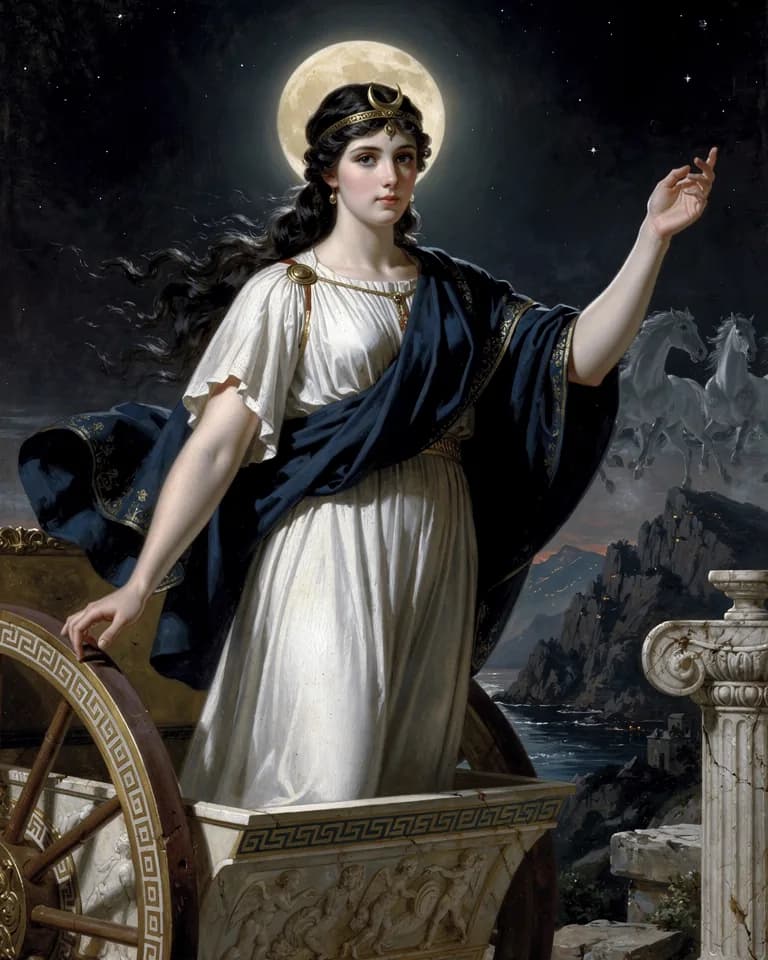
Selene
SeleneGreek

Eos and Selene are recorded as siblings in the Greek Pantheon.

At a glance

Eos and Selene compared
EosSelene
TraditionGreek PantheonGreek Pantheon
Domainsdawn, morning lightthe moon, night, the months
Symbolssaffron robe, rosy fingers, chariot, wings (in art)crescent, two-horse chariot, billowing veil, torch
Also calledAurora (Roman)Mene, Luna (Roman)

Where they meet

The atlas records no domain or symbol that Eos and Selene share.

They are compared because of how the myths connect them, not because of what they rule.

Where they part

Only Eos

Associated with dawn and morning light.

Only Selene

Associated with the moon, night, and the months.

The two figures

Greek Pantheon

Eos

The goddess of dawn, sister of Helios and Selene, who rises each morning from the bed of her mortal consort Tithonus to bring light to gods and men. Homer's formula 'rosy-fingered Dawn' marks the start of countless days in the Iliad and Odyssey.

Eos was born to the Titans Hyperion and Theia with her siblings Helios and Selene. Each morning she rises from the streams of Ocean at the eastern edge of the world to announce the sun.

Eos is the dawn made divine. Hesiod names her with Helios and Selene as a child of Hyperion and Theia, and he also makes her mother of the winds and the stars by the Titan Astraeus. In Homer she is chiefly a time-marker: the formula of 'early-born, rosy-fingered Dawn' opens new days again and again in the *Iliad* and the *Odyssey*.

Read the full Eos entry

Greek Pantheon

Selene

The Titan-born goddess of the moon, daughter of Hyperion and Theia and sister of Helios and Eos. She drives her team across the night sky, and poets tell of her love for the sleeping shepherd Endymion.

Selene was born to the Titans Hyperion and Theia, sister of Helios the sun and Eos the dawn. The Homeric Hymn to Selene adds that Zeus lay with her and that she bore a daughter, Pandia.

Selene is the moon itself, imagined as a goddess who bathes in Ocean and drives her horses across the sky at night. Hesiod places her with Helios and Eos among the children of Hyperion and Theia. The *Homeric Hymn to Selene* describes the radiance from her head filling the air and calls her full moon a sign and token to mortals, since the month was counted by her phases.

Read the full Selene entry
About this comparison

Comparisons pair figures that play a similar role across traditions, or that the myths connect within one. A shared role does not, by itself, establish a shared origin.