Source recordAncient text
The Avesta (Zend-Avesta)
Zoroastrian priestly tradition; the Gathas are attributed to Zarathushtra · Gathas c. 1500-1000 BCE (date disputed); later parts through the Achaemenid era; written down in the Sasanian period · Avestan
Ancient text
The Avesta (Zend-Avesta)
Zoroastrian priestly tradition; the Gathas are attributed to Zarathushtra
The scripture of Zoroastrianism: the Gathas (hymns attributed to Zarathushtra), the Yasna liturgy, the Yashts (hymns to Mithra, Anahita, Tishtrya, Verethragna and others), and the Vendidad (purity law, with the myths of the sixteen lands and of Yima's enclosure). Transmitted orally for centuries; the surviving manuscripts are medieval.
About this work
The scripture of Zoroastrianism: the Gathas (hymns attributed to Zarathushtra), the Yasna liturgy, the Yashts (hymns to Mithra, Anahita, Tishtrya, Verethragna and others), and the Vendidad (purity law, with the myths of the sixteen lands and of Yima's enclosure). Transmitted orally for centuries; the surviving manuscripts are medieval.
Where to start
Start with the Yashts in Darmesteter's Sacred Books of the East translation (volume 23), which contain the most vivid narrative hymns, then the Vendidad's first two chapters (volume 4). Read the Gathas last and in a modern translation such as Humbach's, since their language is archaic and every English rendering involves heavy interpretation.
Figures in the text
Heroes and divinities who feature prominently, with where they appear.
Deities and immortals
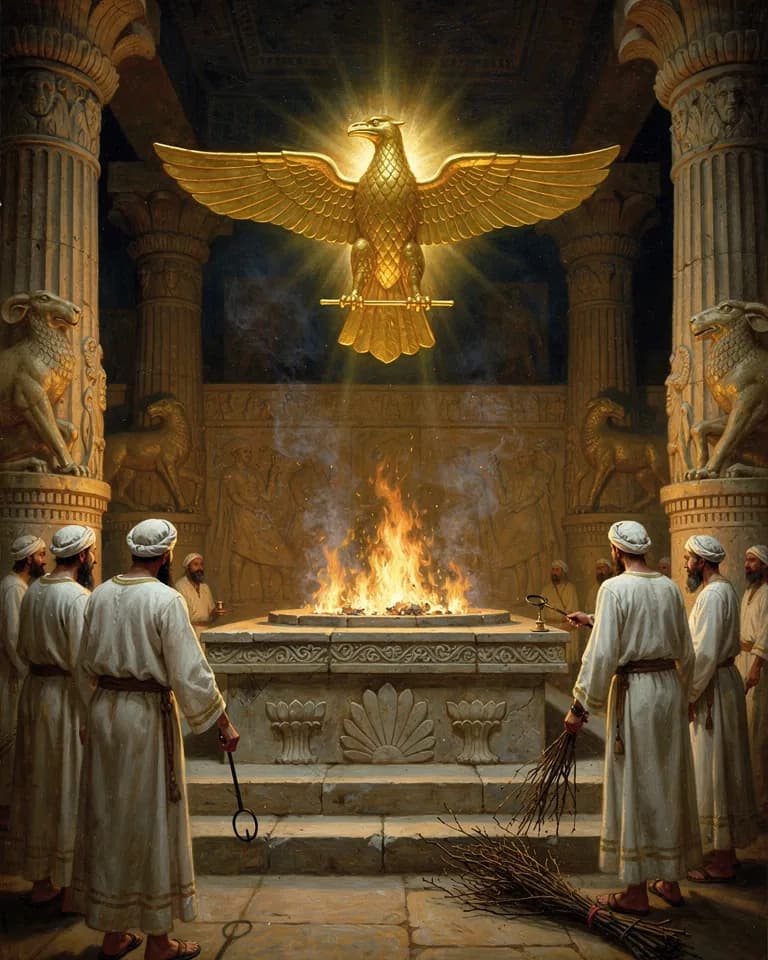 Ahura Mazdathroughoutthe Wise Lord, creator, addressed in the Gathas and speaker of the Yashts and Vendidad
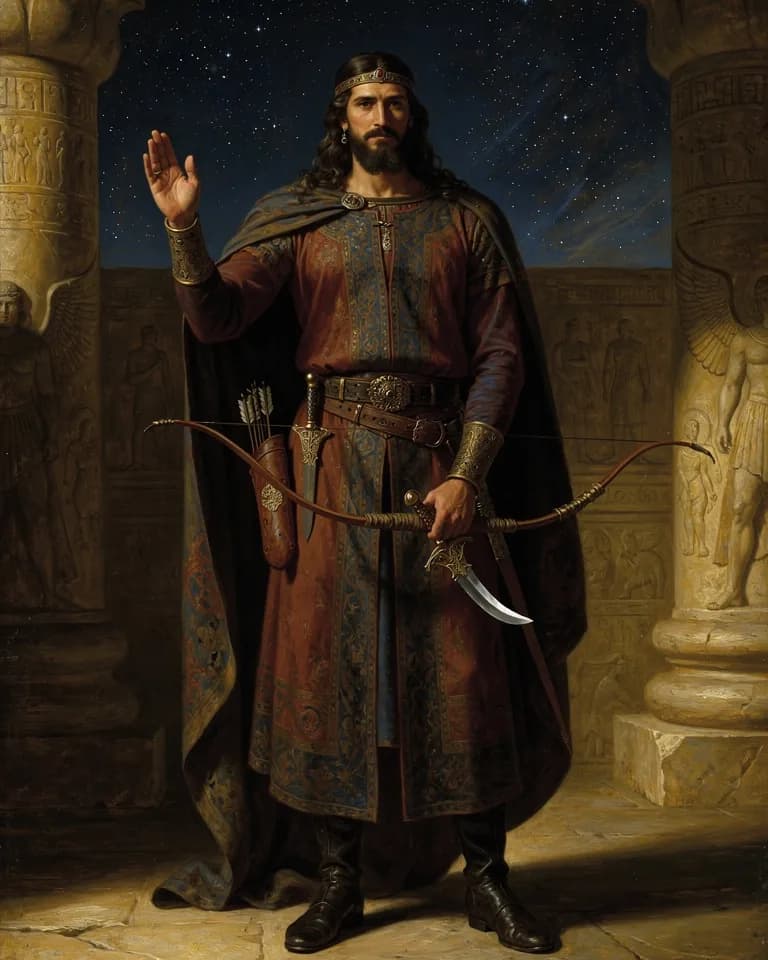 MithraYasht 10 (Mihr Yasht)lord of wide pastures and guardian of contracts
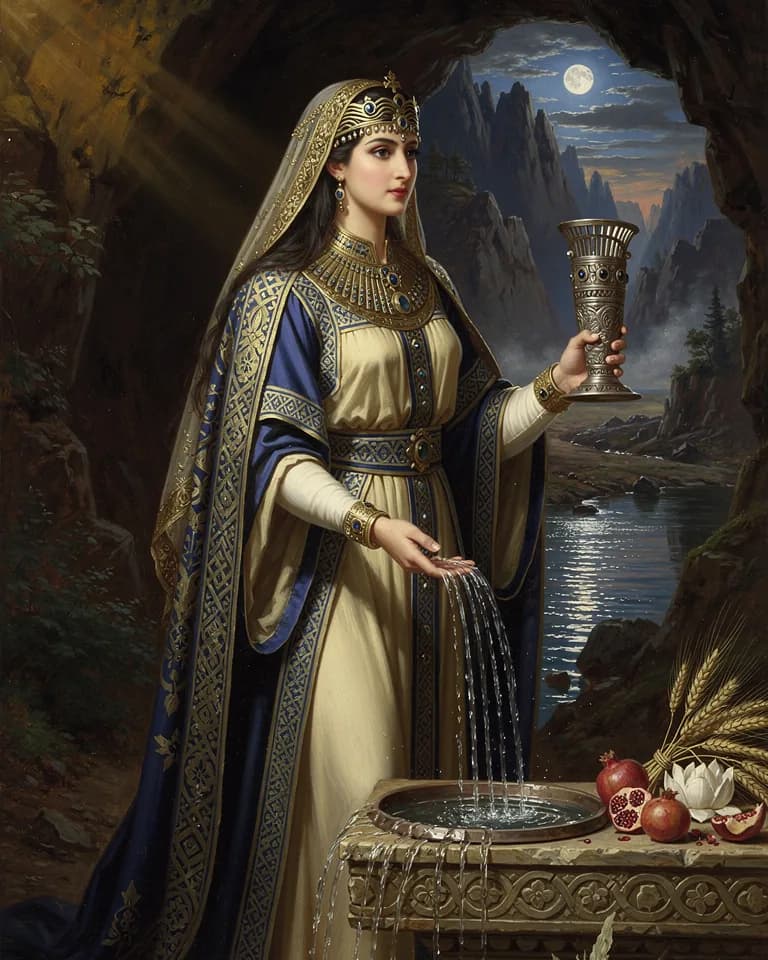 AnahitaYasht 5 (Aban Yasht)the heavenly river-goddess Ardvi Sura Anahita
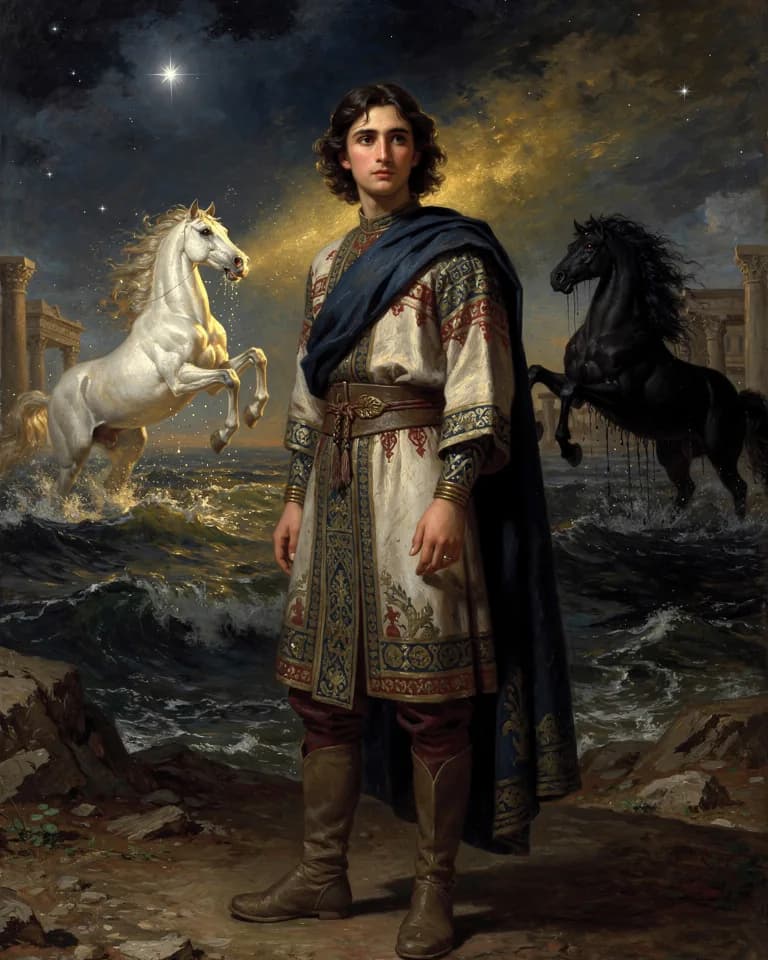 TishtryaYasht 8 (Tir Yasht)the star Sirius, who battles the drought demon Apaosha
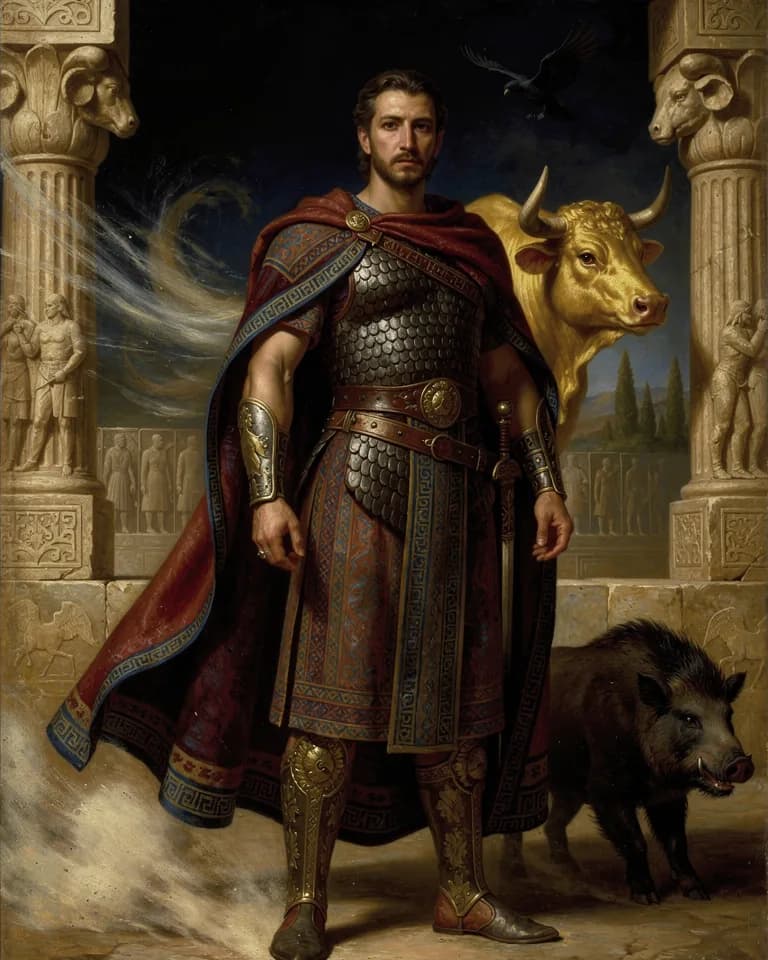 VerethragnaYasht 14 (Bahram Yasht)victory, coming in ten shapes
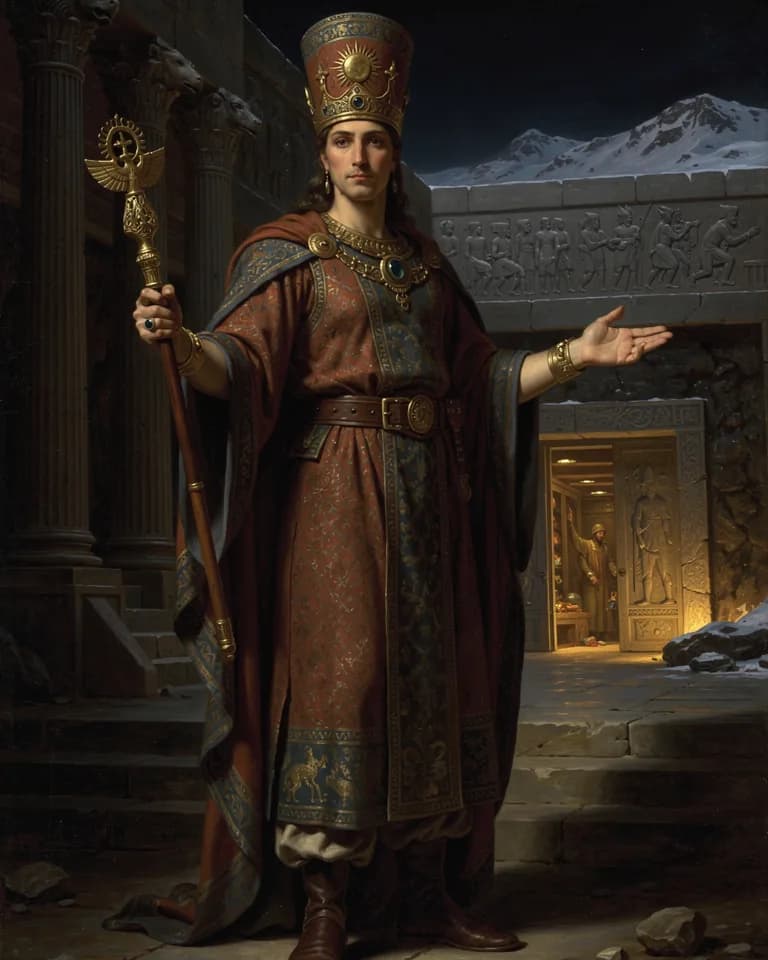 YimaVendidad 2; Yasht 19the first king, who builds the Var against the winters
Key scenes
Turning points of the work, in reading order.
The Two Spirits
Zarathushtra describes the two primal spirits and the choice between truth and the lie that every being must make.
The Sixteen Lands
Ahura Mazda creates sixteen good lands, and Angra Mainyu counter-creates a plague against each.
Yima's Var
Warned of devastating winters, Yima builds an enclosure to preserve the best of every kind of creature.
Tishtrya and Apaosha
The star Sirius, as a white horse, battles the black horse of drought at the sea Vouru-Kasha and releases the rains.
Stories drawn from it
Retellings in the atlas that quote or cite this work.
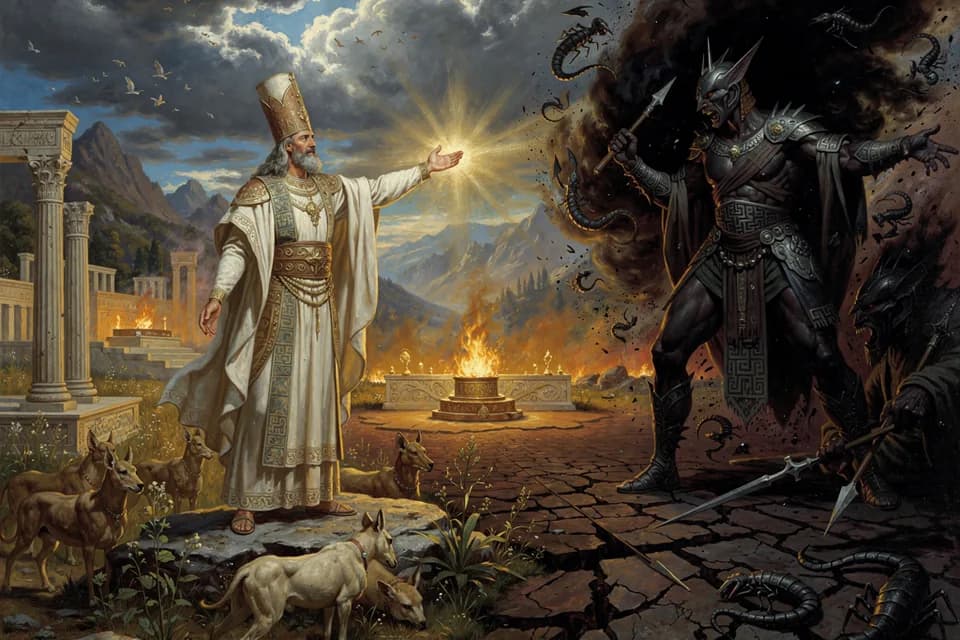 Ohrmazd and Ahriman: The Two Spirits and the Assault on CreationcreationFrom the Gathas' two primal spirits and the choice between truth and the lie to the Bundahishn's cosmic drama: Ohrmazd in light and Ahriman in darkness, a created world attacked and corrupted, and the promise of its final renewal.
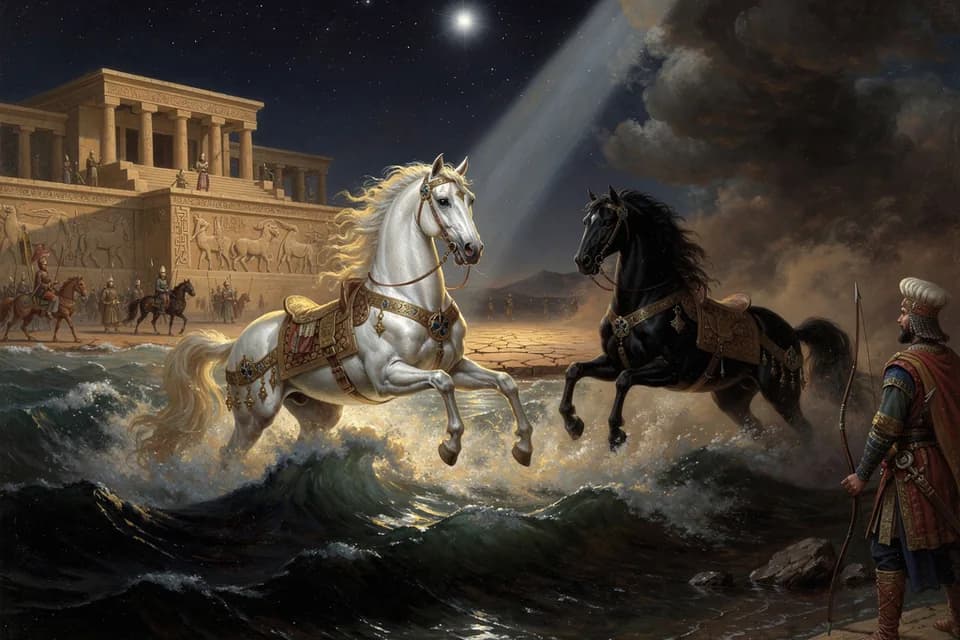 Tishtrya and the Demon of DroughtmythThe star Sirius descends to the cosmic sea as a white horse to release the rains, but the black horse of drought, Apaosha, defeats him; only when he is worshipped by his own name does Tishtrya return in strength, drive Apaosha away, and send the rain across the world.
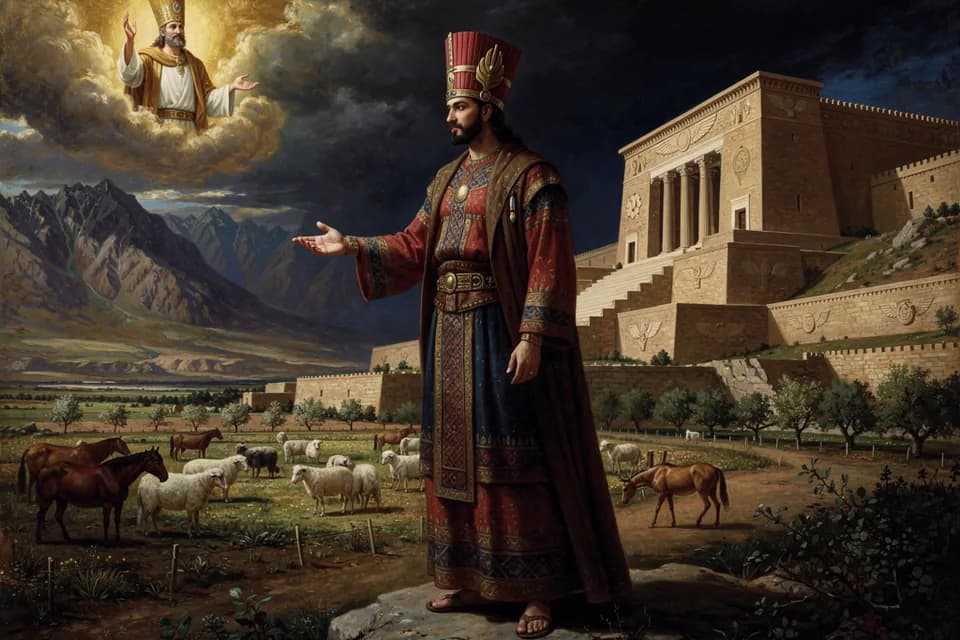 Yima and the VarmythYima, the first king, declines to be Ahura Mazda's prophet but agrees to rule and protect the world; he enlarges the earth three times, then builds an enclosure to preserve the best of every living thing from the coming winters, before his pride costs him the royal Glory.
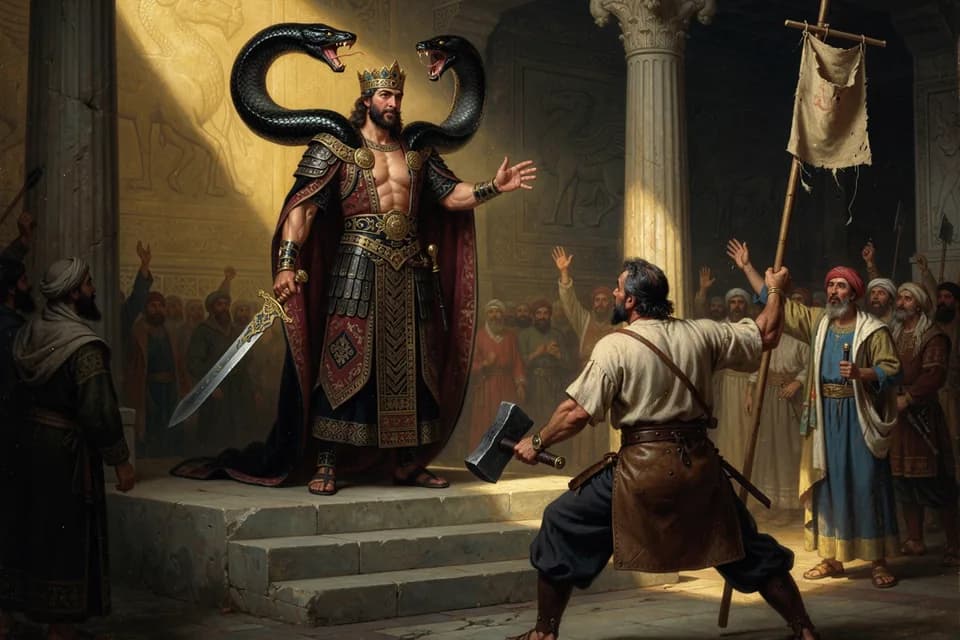 Zahhak the Serpent King and Kaveh the BlacksmithlegendTempted by Iblis, the prince Zahhak kills his father and seizes Jamshid's throne; serpents grow from his shoulders and must be fed on human brains, until the blacksmith Kaveh raises his leather apron as a banner and Fereydun defeats the tyrant and chains him in Mount Damavand.
About this record
By Elizabeth Stein for Mythos Atlas. About the author. Editorial notes are grounded in the site's cited sources and can be challenged through the contact page.
Dates and authorship follow standard scholarly references; for many ancient works both are approximate or disputed.